
Consumers are more worried about their finances than at any point in 75 years. Washington calls it a boom.
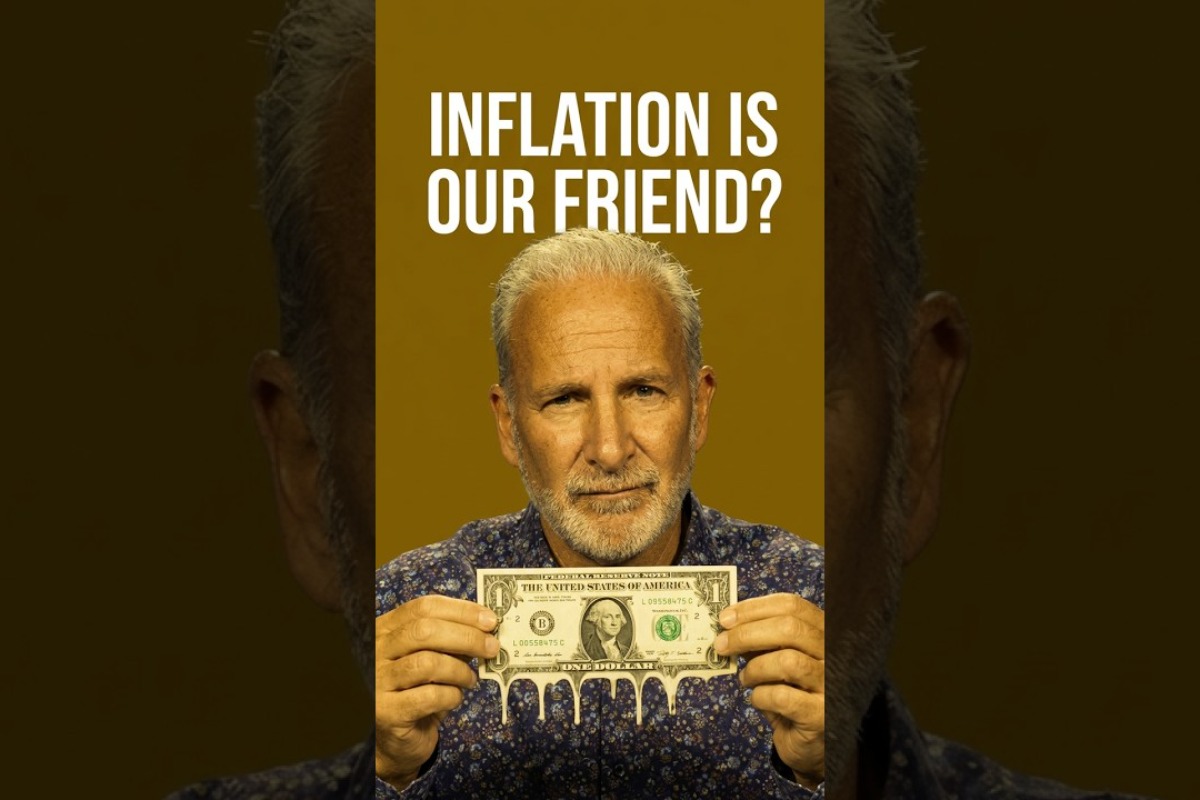
Peter Schiff takes apart the claim that America has the greatest economy in history. The University of Michigan's current conditions index just fell to an all-time low in a survey that dates to 1951. Households were less worried during the Cuban missile crisis, the 1970s gas lines, 9/11, the 2008 financial crisis, COVID and the 40-year inflation high of 2022 than they are today. Loan delinquencies are the highest since 2010, and the biggest wealth gains are going to households headed by someone 75 or older, because the same policies that raise the cost of living also inflate the stocks they own.
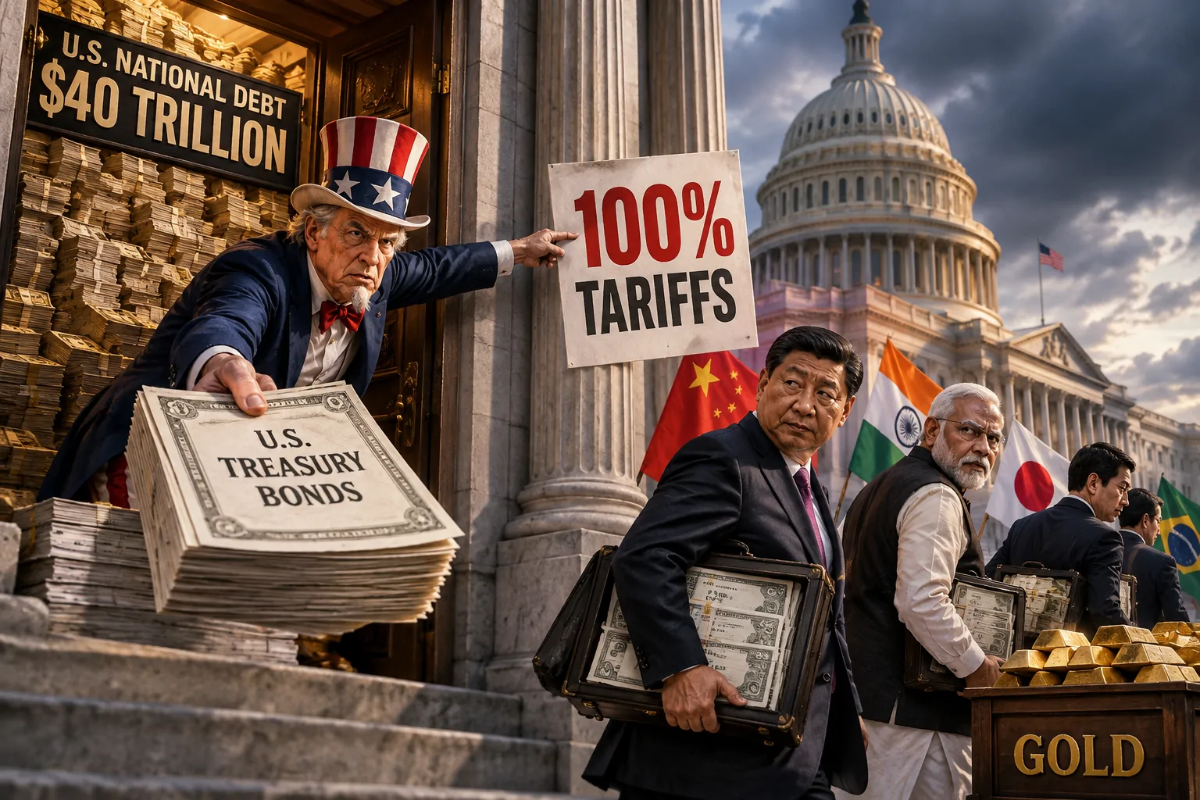
Peter argues the weak economy explains the week's politics: a diesel deal with Russia three weeks after a law authorizing 100% tariffs on buyers of Russian energy, a pledge not to bomb Iran until after the midterms, and a committee of Trump appointees investigating Fed governor Lisa Cook. He also covers Fed minutes in which officials concede policy is not restrictive, a 30-year Treasury yield that reached 5.73%, why 7.4% mortgages are a return to normal, the week in gold, silver and Bitcoin (BTC.X), and why barring Microsoft (MSFT) from sponsoring foreign workers sends those jobs, taxes and spending overseas.
And They Call This A Boom? It's Worse Than 2008 Or Covid.
Consumer sentiment hit a 75-year low as loan delinquencies reached levels not seen since 2010. Peter Schiff dismantles the "boom" narrative, highlighting how inflation and labor curbs on big tech threaten domestic growth.
Comments
Log in or sign up to join the conversation.