

Industry Key Highlights
The global Air Circuit Breakers (ACB) market is experiencing remarkable growth as industries across the world increasingly prioritize electrical safety, power reliability, and efficient energy management. Air circuit breakers have become critical components in modern electrical infrastructure, providing protection against overloads, short circuits, and electrical faults in low-voltage and medium-voltage power distribution systems.
According to TechSci Research report, “Air Circuit Breakers Market Size – Global Industry Share, Trends, Opportunity, and Forecast, 2021-2031F”, The Global Air Circuit Breakers Market will grow from USD 4.14 Billion in 2025 to USD 6.26 Billion by 2031 at a 7.13% CAGR.
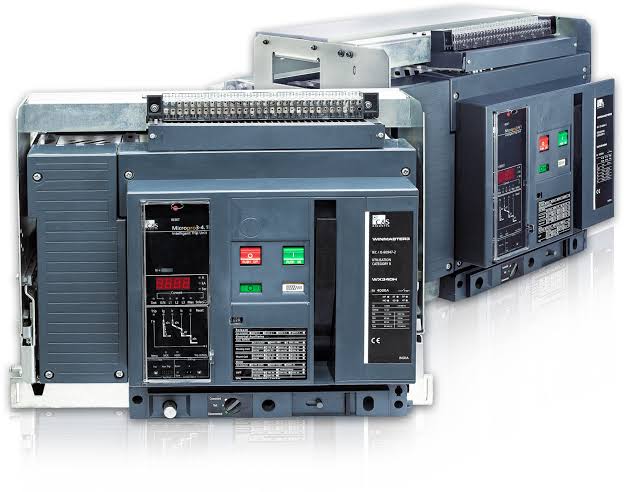
Air circuit breakers play an essential role in ensuring uninterrupted power supply and safeguarding electrical equipment across industries. Their ability to automatically interrupt electrical currents during abnormal conditions helps prevent equipment damage, operational downtime, and potential safety hazards. Consequently, industries such as energy and utilities, manufacturing, transportation, healthcare, and telecommunications are increasingly adopting sophisticated air circuit breaker technologies.
The market is also benefiting from rapid technological advancements, including digital monitoring systems, intelligent protection mechanisms, IoT-enabled devices, and smart grid integration. These innovations are transforming conventional circuit breakers into intelligent power management solutions capable of providing real-time monitoring, predictive maintenance, and enhanced operational efficiency.
Furthermore, growing urbanization, increasing electricity consumption, renewable energy integration, and expansion of industrial infrastructure are creating favorable conditions for market growth. Governments worldwide are investing heavily in modernizing electrical networks and improving grid reliability, which further strengthens the adoption of advanced air circuit breakers.
As industries move toward automation, digitization, and sustainable energy management, air circuit breakers are expected to remain indispensable components of modern electrical systems, supporting safer and more reliable power distribution networks globally.
Request For Sample Copy of Report For More Detailed Market insight: https://www.techsciresearch.com/sample-report.aspx?cid=15961#requestform
Key Market Drivers
Rising Demand for Reliable Power Distribution
Reliable power distribution has become a fundamental requirement for modern economies. Industrial operations, commercial facilities, healthcare institutions, and critical infrastructure depend on uninterrupted electricity supply to maintain operations.
Air circuit breakers play a crucial role in ensuring electrical system stability by detecting and isolating faults before they can cause widespread disruptions. As power demand continues to grow globally, investments in reliable protection equipment are increasing significantly.
The expansion of electrical infrastructure across both developed and emerging economies is expected to remain a major growth driver for the market.
Growth of Industrial Automation
The rapid adoption of automation technologies is transforming industrial operations worldwide. Automated manufacturing facilities require highly reliable electrical systems capable of supporting continuous production processes.
Air circuit breakers provide essential protection for automated machinery, robotics, and industrial control systems. Their ability to minimize downtime and protect expensive equipment makes them indispensable in modern manufacturing environments.
As Industry 4.0 initiatives gain momentum, the demand for intelligent circuit protection solutions is expected to accelerate.
Expansion of Renewable Energy Projects
Renewable energy installations such as solar farms, wind power facilities, and energy storage systems require robust electrical protection mechanisms.
Air circuit breakers are increasingly deployed in renewable energy projects to ensure safe operation, protect electrical assets, and maintain grid stability.
The global shift toward clean energy generation is creating substantial opportunities for air circuit breaker manufacturers, particularly in regions investing heavily in renewable energy infrastructure.
Increasing Focus on Electrical Safety
Electrical safety regulations are becoming more stringent across industries. Governments and regulatory agencies are emphasizing compliance with safety standards to reduce workplace accidents and equipment failures.
Air circuit breakers provide critical protection against electrical faults and contribute to safer operating environments. Organizations are increasingly investing in advanced protection systems to meet regulatory requirements and enhance workplace safety.
Modernization of Aging Power Infrastructure
Many countries are upgrading aging electrical networks to improve efficiency, reliability, and resilience.
Modern air circuit breakers offer advanced capabilities such as remote monitoring, fault diagnostics, and predictive maintenance, making them attractive solutions for infrastructure modernization projects.
The growing need to replace obsolete equipment is expected to generate sustained market demand over the coming years.
Emerging Trends in the Global Air Circuit Breakers Market
Integration of Smart Technologies
One of the most significant trends shaping the market is the integration of smart technologies into air circuit breakers.
Modern systems now feature:
Real-time monitoring
Digital communication interfaces
Remote diagnostics
Fault prediction capabilities
Intelligent trip mechanisms
These capabilities allow operators to monitor equipment performance continuously and respond proactively to potential issues.
Internet of Things (IoT) Adoption
IoT-enabled air circuit breakers are gaining popularity across industrial and commercial applications.
These devices collect operational data and transmit information to centralized management systems, enabling predictive maintenance and improved asset management.
The adoption of IoT technologies is helping organizations reduce maintenance costs while improving system reliability and operational efficiency.
Smart Grid Development
The development of smart grids is creating new opportunities for advanced air circuit breaker solutions.
Smart grids require intelligent protection devices capable of supporting two-way communication, automated fault isolation, and dynamic load management.
Air circuit breakers equipped with advanced digital capabilities are becoming integral components of modern smart grid architectures.
Increased Adoption of Digital Circuit Breakers
Digital air circuit breakers provide enhanced visibility into electrical system performance through integrated sensors and analytics platforms.
These systems enable facility managers to monitor energy consumption, identify inefficiencies, and optimize power distribution.
The transition toward digital power management is expected to drive substantial growth within the market.
Sustainability and Energy Efficiency
Organizations are increasingly prioritizing sustainability and energy efficiency initiatives.
Advanced air circuit breakers contribute to these objectives by minimizing energy losses, improving power quality, and supporting efficient electrical system operation.
Manufacturers are also focusing on environmentally friendly product designs that align with global sustainability goals.
Market Challenges
High Initial Investment Costs
Advanced air circuit breakers often require significant upfront investment, particularly for large-scale industrial and utility applications.
The costs associated with equipment procurement, installation, integration, and training can present challenges for smaller organizations.
Complex Installation Requirements
The deployment of sophisticated air circuit breaker systems may require specialized expertise and infrastructure modifications.
Organizations must invest in skilled personnel and technical resources to ensure successful implementation.
Cybersecurity Concerns
As air circuit breakers become increasingly connected and digitally integrated, cybersecurity risks are emerging as a key challenge.
Protecting connected devices and electrical networks from cyber threats is becoming a critical priority for market participants.
Maintenance and Lifecycle Management
Although modern air circuit breakers offer enhanced reliability, regular maintenance remains essential to ensure optimal performance.
Managing equipment lifecycles and maintaining operational readiness can be challenging for organizations with extensive electrical infrastructure.
Market Segmentation Analysis
By Voltage Rating
Low Voltage Air Circuit Breakers
Low-voltage air circuit breakers represent a significant segment of the market and are widely used in commercial buildings, industrial facilities, and utility applications.
Their ability to provide reliable protection for low-voltage electrical systems makes them essential components of modern power distribution networks.
Medium Voltage Air Circuit Breakers
Medium-voltage breakers are increasingly deployed in industrial plants, substations, and infrastructure projects.
Their growing adoption is driven by expanding industrialization and rising demand for dependable power transmission systems.
High Voltage Air Circuit Breakers
High-voltage solutions are used in large-scale utility and transmission applications where superior fault interruption capabilities are required.
These systems play a crucial role in maintaining grid stability and protecting critical infrastructure.
By Type of Operation
Manual Air Circuit Breakers
Manual breakers remain widely used in applications where simple and cost-effective protection solutions are sufficient.
Electrically Operated Air Circuit Breakers
Electrically operated systems provide improved convenience and operational flexibility, enabling remote switching and automated protection functions.
Digitally Controlled Air Circuit Breakers
Digitally controlled breakers represent the fastest-growing segment due to their advanced monitoring, communication, and diagnostic capabilities.
These systems support intelligent power management and predictive maintenance strategies.
By End-User Industry
Energy and Utilities
The energy and utilities sector remains a major consumer of air circuit breakers, relying on them for power generation, transmission, and distribution applications.
Manufacturing
Manufacturing facilities utilize air circuit breakers to protect machinery, production lines, and automation systems from electrical faults.
Transportation
Railways, airports, metro systems, and electric vehicle infrastructure increasingly depend on advanced circuit protection technologies.
Healthcare
Hospitals and healthcare facilities require uninterrupted power supply and robust electrical protection to support critical medical equipment.
Telecommunications
Telecommunications infrastructure relies on air circuit breakers to maintain network reliability and protect sensitive electronic equipment.
Regional Analysis
North America
North America remains a leading market due to advanced electrical infrastructure, widespread industrial automation, and ongoing grid modernization initiatives.
The region's strong emphasis on safety regulations and technological innovation supports continued market expansion.
Europe
Europe benefits from substantial investments in renewable energy projects, smart grid development, and industrial modernization.
The region's commitment to sustainability and energy efficiency is creating favorable market conditions.
Asia-Pacific
Asia-Pacific is expected to witness the fastest growth during the forecast period.
Rapid industrialization, urbanization, infrastructure development, and rising electricity demand across countries such as China, India, Japan, and Southeast Asian nations are fueling market growth.
Middle East & Africa
Large-scale infrastructure projects, expanding energy sectors, and investments in smart cities are driving demand for air circuit breakers across the region.
South America
Growing industrial activity and modernization of electrical infrastructure are supporting market expansion throughout South America.
Competitive Analysis
Larsen & Toubro
Mitsubishi Electric
ABB ltd.
Alstom
Siemens AG
Schneider Electric SE
CG Power and Industrial Solutions
Fuji Electric
Eaton Group
Powell Industries
Customers can also request 10% free customization in this report.
Future Outlook
The future of the global Air Circuit Breakers market appears highly promising as industries continue to prioritize electrical safety, operational efficiency, and digital transformation.
Several factors will shape market development over the coming years:
Expansion of smart grid infrastructure
Growth in renewable energy installations
Rising adoption of Industry 4.0 technologies
Increasing demand for predictive maintenance solutions
Integration of IoT and artificial intelligence
Modernization of aging electrical networks
Growing emphasis on sustainability and energy efficiency
The convergence of intelligent protection systems, digital analytics, and connected infrastructure will redefine the role of air circuit breakers in power management ecosystems.
As organizations seek greater resilience, reliability, and operational visibility, advanced air circuit breaker technologies will become increasingly central to modern electrical infrastructure.
10 Benefits of the Research Report
1. Comprehensive Market Understanding
Provides a complete overview of market dynamics, trends, and opportunities.
2. Accurate Forecast Analysis
Offers detailed projections and growth estimates through 2031.
3. Competitive Landscape Assessment
Analyzes key market participants and their strategic initiatives.
4. Identification of Growth Opportunities
Highlights emerging markets, technologies, and investment areas.
5. Detailed Segmentation Analysis
Provides insights across voltage ratings, operation types, and end-user industries.
6. Regional Market Intelligence
Examines growth prospects across major geographic regions.
7. Trend Evaluation
Identifies technological innovations and industry transformations.
8. Risk and Challenge Assessment
Analyzes potential obstacles affecting market growth.
9. Strategic Decision Support
Assists stakeholders in making informed business and investment decisions.
10. Future Industry Insights
Delivers forward-looking intelligence to support long-term planning.
Conclusion
The global Air Circuit Breakers market is undergoing a significant transformation driven by technological innovation, industrial expansion, smart grid development, and growing demand for reliable electrical protection systems. As power networks become increasingly complex and interconnected, the importance of advanced circuit protection solutions continues to rise.
Supported by digitalization, renewable energy integration, IoT adoption, and infrastructure modernization, the market is expected to achieve sustained growth through 2031. Companies that invest in intelligent technologies, product innovation, and strategic partnerships will be well-positioned to capitalize on emerging opportunities and shape the future of the global Air Circuit Breakers industry.
Comments
Log in or sign up to join the conversation.