

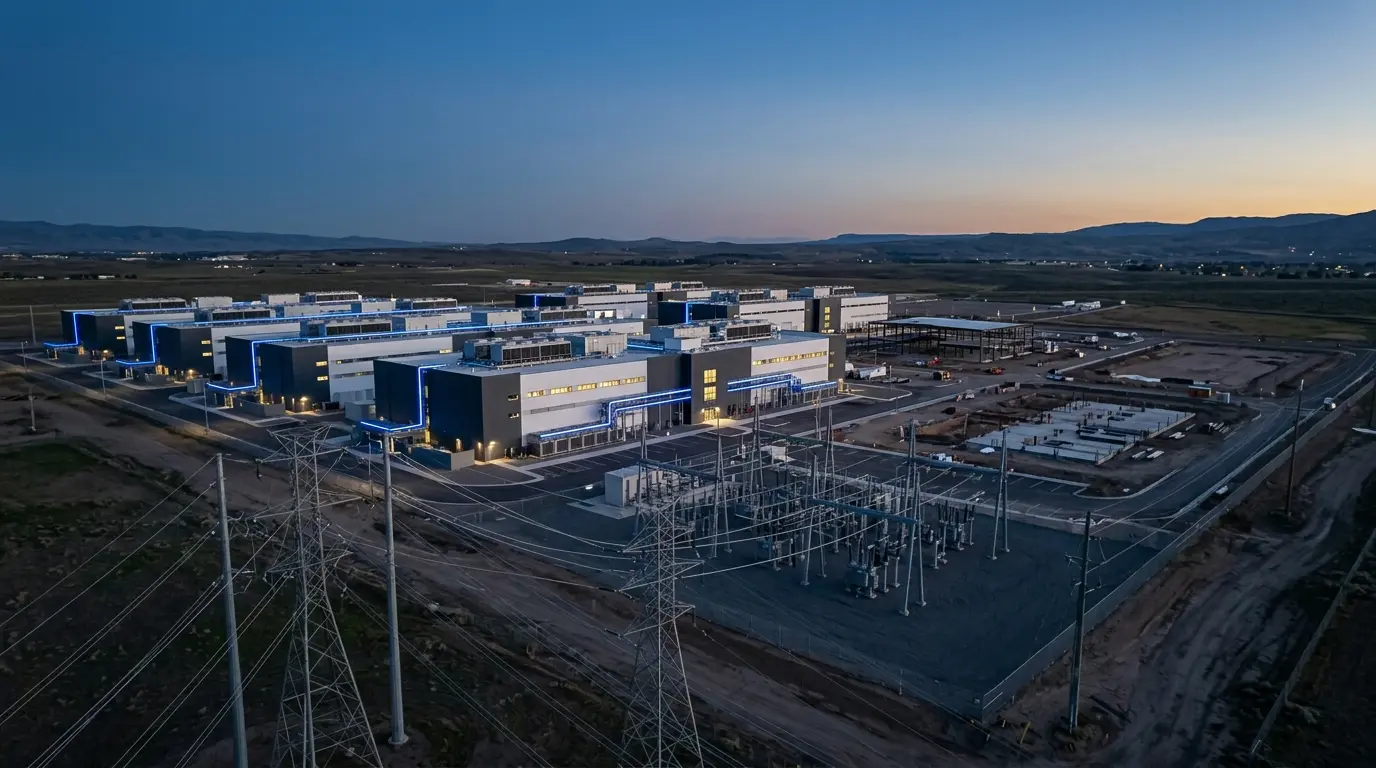
AI infrastructure demand remains strong, but permitting, power, and local opposition could delay projects and widen the gap between winners and losers.
The S&P 500 (SPY) gained 11.5% year-to-date through September 1, 2026, with the Nasdaq Composite (QQQ) up 12.3% and the Russell 2000 (IWM) leading at 17.7%, according to figures cited by TheStreet. Those gains came despite a March correction tied to the Iran war and a fresh bout of selling in early September, underscoring how tightly index performance now tracks sentiment around the AI infrastructure capital-spending cycle.
Against that backdrop, Morgan Stanley’s head of U.S. public-policy research, Ariana Salvatore, told CNBC that the investor question has shifted. It is no longer a question of whether demand for AI compute exists, but of whether hyperscalers can secure permitting, power, and community support fast enough to convert that demand into revenue. Morgan Stanley estimates U.S. hyperscaler spending at $800 billion in 2026 and nearly $1.1 trillion in 2027, per Reuters – a scale of AI infrastructure buildout that leaves little room for prolonged execution failure.
AI CapEx Survives the Political Squeeze
Salvatore described public opposition to data centers as having become powerful and bipartisan, with politicians across the spectrum now responding to it. She pointed to three specific pressure points driving the backlash: rising utility bills, environmental concerns tied to water consumption, and quality-of-life disruption from construction near residential communities.
Crucially, she framed the resistance as local rather than ideological – surfacing in both Republican- and Democratic-led states. Texas Governor Greg Abbott and Pennsylvania Governor Josh Shapiro were cited as examples of governors tightening oversight regardless of party. Even so, Salvatore’s conclusion remained constructive: Morgan Stanley believes the capex story is still intact, with more than a trillion dollars in hyperscaler spending expected next year, a view that echoes concerns raised elsewhere about whether that spending will translate into durable returns.
Timing Delays and Geographic Dispersion
The distinction Salvatore drew is between demand destruction and demand deferral. Rather than canceling budgets outright, hyperscalers are more likely to postpone projects in politically sensitive regions and redirect capacity toward states with more available energy, water, and public tolerance – a pattern Morgan Stanley describes as timing delays paired with geographic dispersion.
That reshuffling has real physical constraints behind it. Data centers can typically connect to the grid within two to three years, according to PJM, while a new power plant can take four to six years to come online – a mismatch that puts sustained pressure on permitting timelines regardless of political mood. A delayed project doesn’t erase demand for chip, networking, cooling, and electrical equipment; it pushes those orders into later quarters.
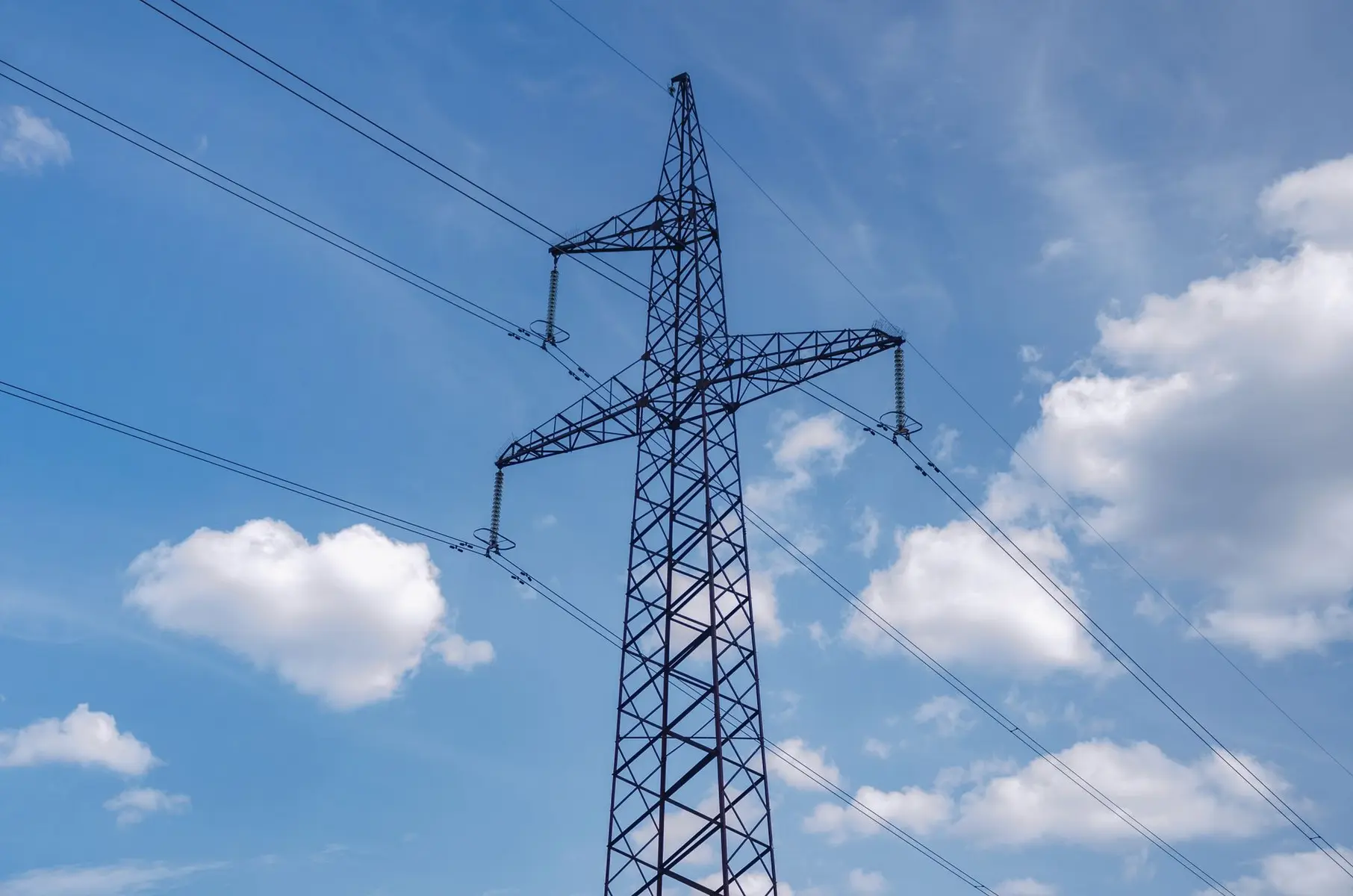
Photo by Ola Noland on Pexels
The state-level evidence is already visible. Texas Governor Abbott ordered an audit of data-center projects seeking ERCOT interconnection before approval, with Utility Dive reporting that ERCOT is evaluating 474 gigawatts of proposed load – more than five times the state’s record peak demand. Pennsylvania has pulled AI data centers out of fast-track permitting, now requiring local approval, developer-funded energy infrastructure, and water conservation measures, while New York has paused permits for facilities of 50 megawatts or more amid nearly 12 gigawatts of queued demand, according to Reuters. As permitting friction pushes some developers toward alternative capital structures, financing mechanisms tied directly to GPU-backed infrastructure lending are becoming a more visible part of how projects get funded around these bottlenecks.
Execution Risk and Stock Selection
Morgan Stanley’s framing separates demand risk, which it views as largely intact, from execution risk, which it sees as rising. Longer permitting schedules, higher energy costs, and community-benefit requirements could compress project returns, with the damage concentrated among the most leveraged operators rather than spread evenly across the AI trade.
The firm’s stronger-exposure category includes profitable platforms and suppliers with contracted backlogs, pricing power, diversified customer bases, and balance sheets strong enough to absorb delays. The weaker category includes leveraged developers, speculative utilities, and vendors whose forecasts assume every planned campus opens on schedule – an assumption that permitting and power-grid realities increasingly undercut.
The stakes for stock selection are amplified by concentration. Over the three years through early 2026, the S&P 500 gained 76% versus 32% for an index excluding AI-linked names, per Yahoo Finance – a gap wide enough that any broad disruption to the data center buildout would ripple well beyond chipmakers, particularly if it coincides with other sources of geopolitical pressure on AI-linked equities.
Photo by StockRadars Co., on Pexels
What the Delay Risk Means for Portfolio Exposure
Morgan Stanley’s message is constructive but conditional: political resistance doesn’t erase compute demand, but it raises the cost and timeline of converting hyperscaler capex into operating capacity. Delayed projects can redirect equipment sales into later quarters rather than kill them, while geographic dispersion tends to redistribute winners among utilities, developers, and infrastructure suppliers rather than concentrate losses.
For investors, the practical takeaway is to weight exposure toward contracted backlogs, pricing power, customer diversification, and balance-sheet strength, while treating leverage and on-schedule campus assumptions as flags rather than baseline cases. No price targets or valuation ranges accompanied Morgan Stanley’s comments, and the analysis here is not a substitute for individualized investment advice – it is a reminder that the AI infrastructure thesis and the AI infrastructure timeline are no longer the same trade.



Comments
Log in or sign up to join the conversation.