

AI in Marketing: B2B Strategies and Best Practices for Growth
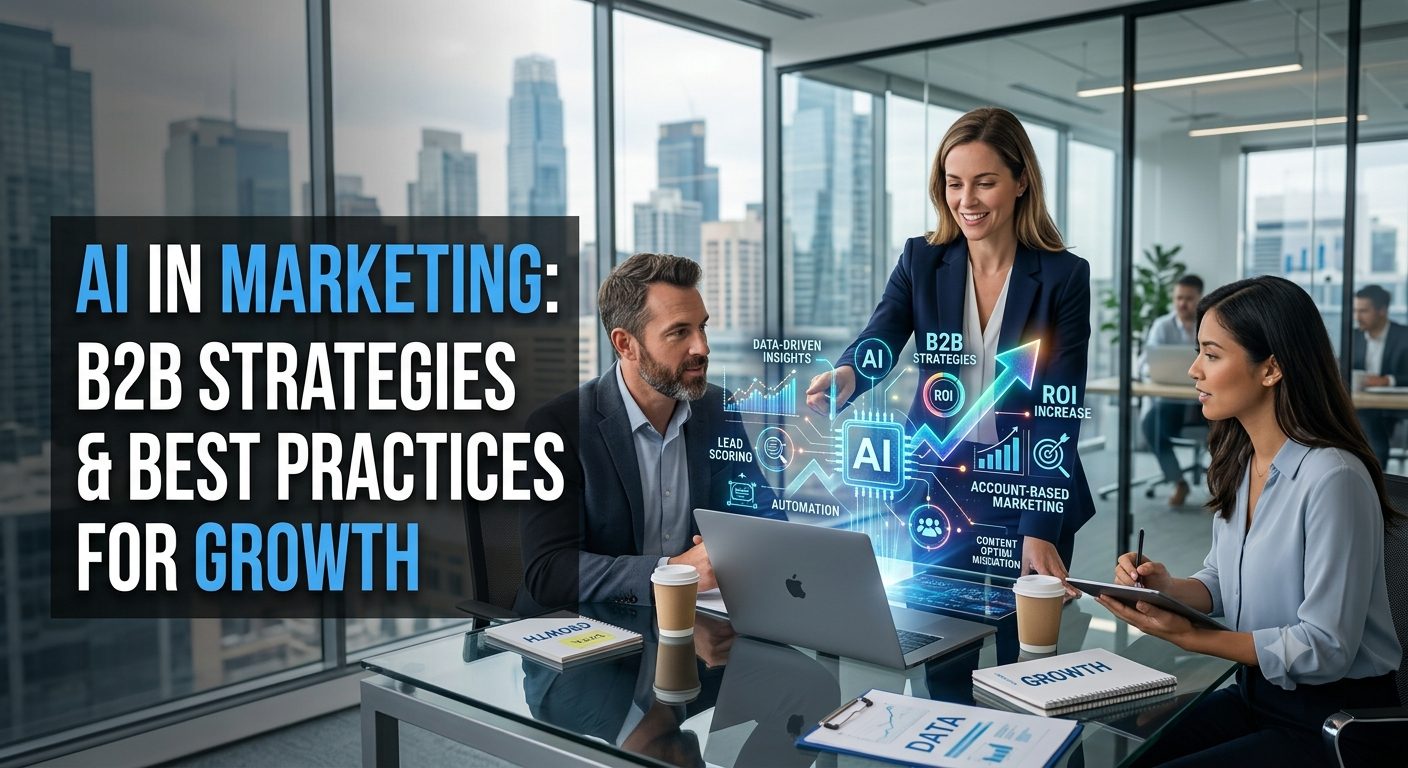
Artificial intelligence is transforming the way B2B organizations plan, execute, and optimize their marketing activities. From analyzing customer behavior to automating repetitive tasks, AI enables marketing teams to work more efficiently while delivering personalized experiences at scale. Businesses that integrate AI into their marketing strategies can improve decision-making, strengthen customer engagement, and increase campaign performance.
Use AI to Understand Customer Behavior
AI helps marketers analyze large volumes of customer and campaign data to uncover patterns that would be difficult to identify manually. By examining engagement history, browsing behavior, and buying signals, businesses can better understand customer preferences and create more relevant account based marketing campaigns.
These insights support smarter audience segmentation and improve the overall customer experience.
Automate Repetitive Marketing Tasks
Many routine marketing activities, such as email scheduling, lead scoring, campaign reporting, and audience segmentation, can be automated using AI-powered tools. Automation reduces manual effort, improves operational efficiency, and allows marketing teams to focus on strategy and creative execution.
This streamlined workflow also helps maintain consistency across multiple campaigns.
Deliver Personalized Experiences
Personalization has become a key expectation for B2B marketing buyers. AI enables businesses to recommend relevant content, customize email campaigns, and deliver messaging based on audience behavior and interests.
Providing personalized experiences increases engagement, strengthens customer relationships, and supports higher conversion rates throughout the buyer journey.
Improve Campaign Performance with Data
AI supports continuous campaign optimization by analyzing performance metrics in real time. Marketers can identify which channels, messages, and audience segments deliver the strongest results, enabling faster adjustments and better resource allocation.
Data-driven optimization helps improve marketing ROI and campaign effectiveness.
Best Practices for AI Adoption
Organizations should begin by identifying marketing processes where AI can deliver measurable value. High-quality data, clear business objectives, and human oversight are essential for successful implementation.
Regular performance reviews and ongoing optimization ensure AI continues to support changing marketing needs and customer expectations.
Driving Sustainable B2B Growth with AI
AI is not a replacement for marketing expertise but a powerful tool that enhances it. By combining artificial intelligence with strategic planning and quality content, businesses can improve efficiency, deliver more relevant customer experiences, and make better marketing decisions.
A well-executed AI marketing strategy helps organizations generate qualified leads, strengthen demand generation efforts, and achieve long-term B2B growth.
Comments
Log in or sign up to join the conversation.