

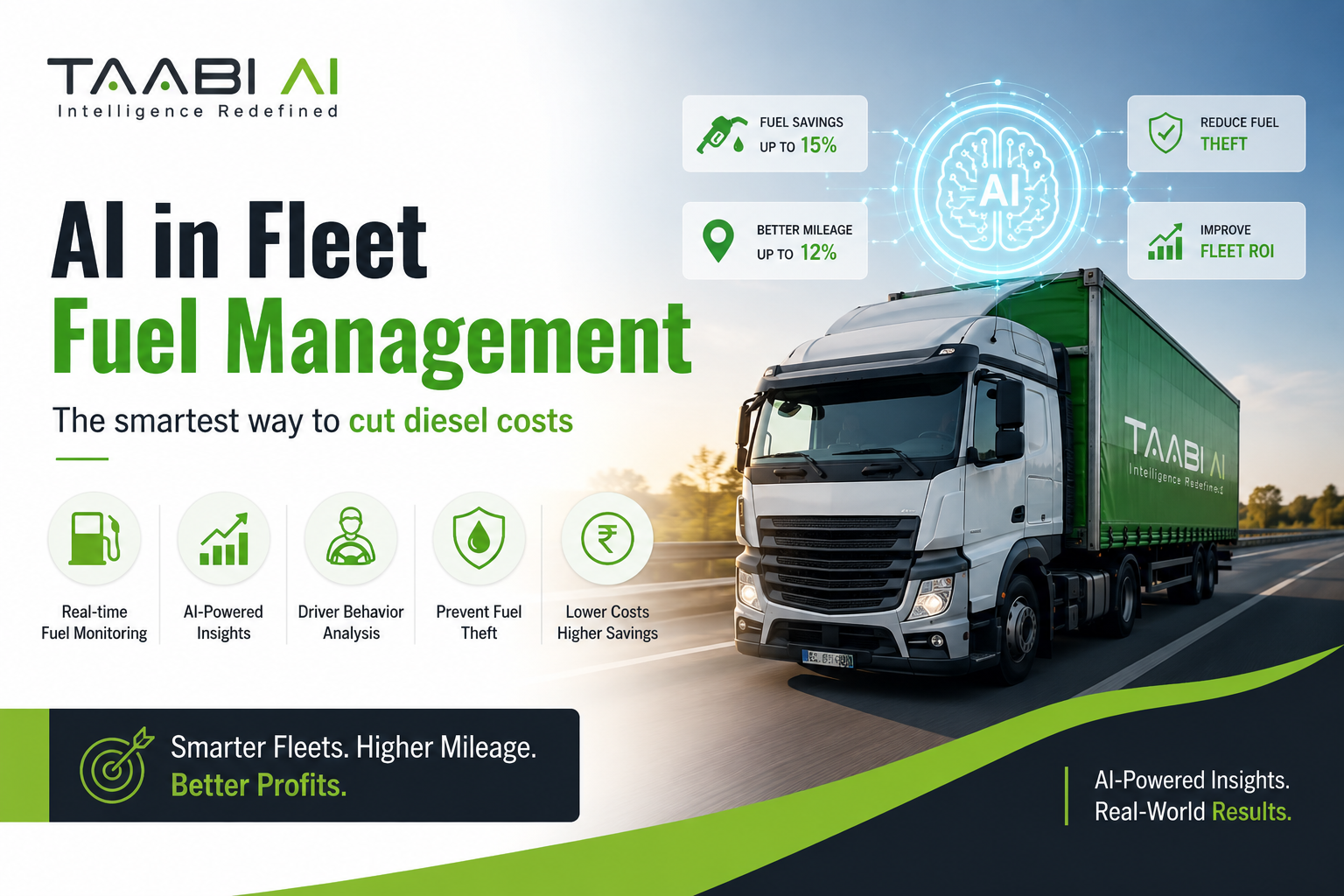
Fuel is one of the biggest expenses in fleet operations. Even a small drop in fuel efficiency can significantly impact profitability when you manage dozens or hundreds of vehicles. That is why more transport companies are turning to artificial intelligence (AI) to gain tighter control over fuel usage and eliminate avoidable losses.
Modern fleet operators no longer rely only on manual logs and fuel bills. With AI-powered fleet management solutions, businesses can track fuel consumption in real time, detect unusual patterns, and make faster decisions that improve operational performance.
Why Diesel Costs Keep Rising
Diesel prices continue to fluctuate, and transport businesses face increasing pressure to maintain margins. Common causes of excessive fuel consumption include:
Idling for long periods
Harsh acceleration and braking
Unauthorized vehicle use
Fuel theft
Poor route planning
Delayed maintenance
These issues often go unnoticed without the right technology. AI helps identify each one automatically and recommends corrective actions.
How AI Improves Fleet Fuel Management
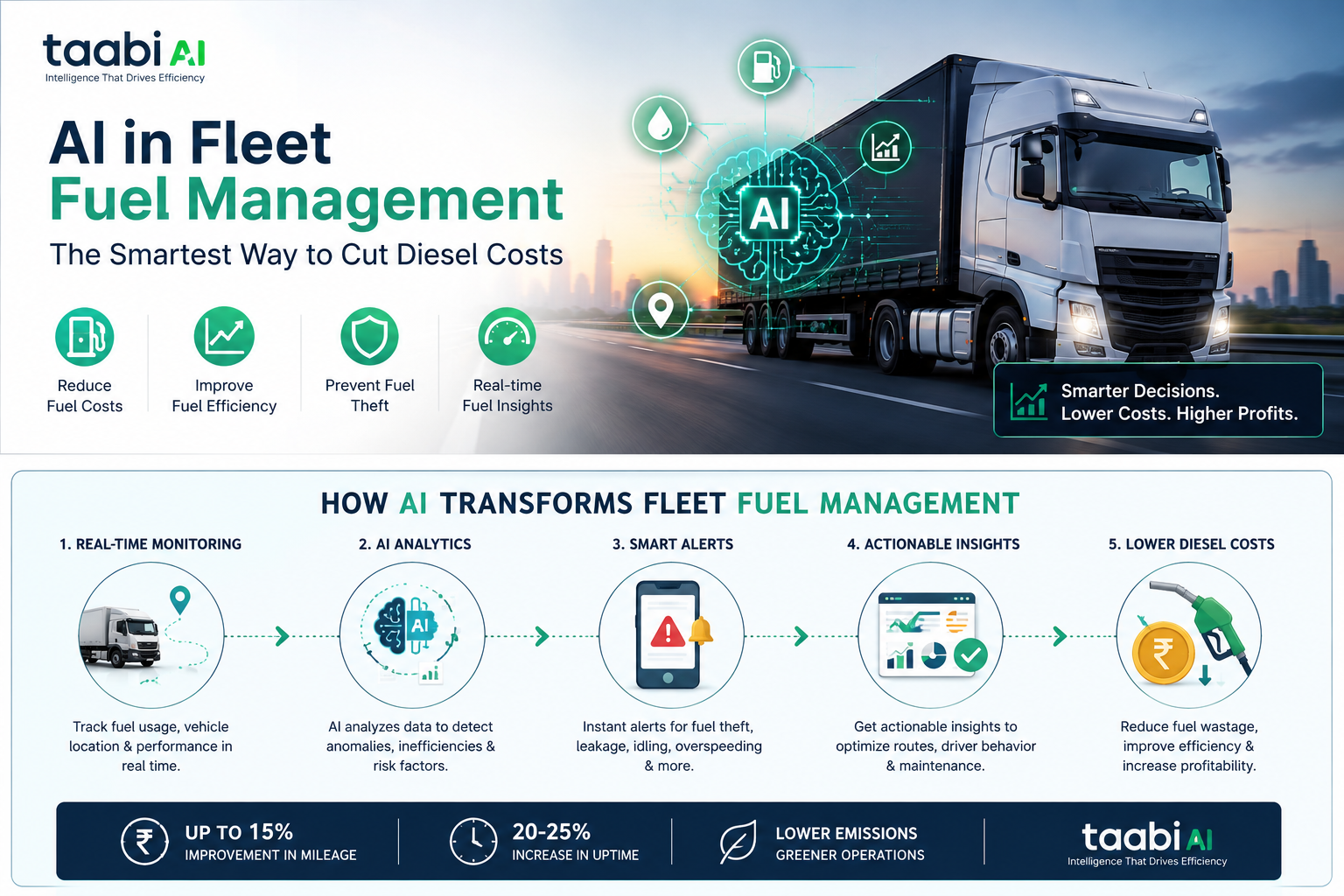
Artificial intelligence analyzes data from GPS devices, fuel sensors, engine control units, and driver behavior systems. It then converts this information into practical insights.
As explained in How AI Is Changing Fleet Fuel Management, AI can detect hidden inefficiencies and highlight exactly where fuel is being wasted.
Key AI capabilities include:
Real-time fuel monitoring
Driver behavior analysis
Route optimization
Fuel theft alerts
Predictive maintenance
Mileage benchmarking
This level of intelligence helps fleet managers act immediately rather than discovering problems after costs have already increased.
Detecting Fuel Theft and Leakage
Fuel theft remains a major concern for fleet operators. Manual checks often fail to identify small but frequent losses.
AI continuously compares fuel filling records, sensor data, and trip information. If a sudden drop occurs while a vehicle is parked, the system generates an instant alert. This prevents repeated losses and improves accountability across the fleet.
Better Mileage Through Smarter Driving
Driving habits have a direct impact on diesel consumption. Overspeeding, aggressive braking, and prolonged idling all reduce mileage.
AI scores each driver based on behavior and highlights opportunities for improvement. Managers can coach drivers using objective data rather than assumptions, resulting in safer driving and better fuel economy.
The Role of BS6 Vehicles in Fuel Efficiency
Modern vehicles equipped with BS6 engines are designed to deliver cleaner emissions and improved combustion efficiency. However, they perform best when supported by proper maintenance and intelligent monitoring.
The article BS6 Compliance and Fuel Efficiency explains how fleet operators can maximize the benefits of newer engines using advanced analytics and performance tracking.
When AI is combined with BS6 technology, fleets can achieve higher mileage and lower emissions.
Measuring ROI from Fuel Management Systems
Many fleet owners ask whether investing in fuel management software is worth the cost. In most cases, the savings are visible within a few months.
According to Fuel Management System ROI, companies often recover their investment through:
Reduced fuel theft
Lower idle time
Improved route efficiency
Better maintenance planning
Increased vehicle uptime
Once these improvements are in place, the system continues to generate long-term savings.
Why AI Is the Future of Fleet Operations
AI does more than monitor fuel usage. It transforms raw vehicle data into strategic decisions that reduce operating costs and improve productivity.
For logistics companies, transporters, and enterprises managing large fleets, AI-powered fuel management offers a measurable competitive advantage. Lower diesel costs, improved mileage, and stronger operational control all contribute to better business performance.
Conclusion
AI in fleet fuel management is one of the most effective ways to cut diesel costs. By detecting theft, optimizing routes, improving driver behavior, and supporting BS6 vehicle performance, AI helps fleet operators gain complete visibility over fuel consumption.
Businesses that adopt intelligent fuel management systems today are building more efficient, profitable, and sustainable fleets for the future.
Comments
Log in or sign up to join the conversation.