
Agriculture is undergoing a significant transformation as growers seek practical ways to improve productivity, protect crops, conserve resources, and manage increasingly unpredictable environmental conditions. Within this changing landscape, Agricultural Textiles have become an important part of modern farming systems. These specialized textile materials are used across applications such as crop protection, shading, weed control, soil management, greenhouse cultivation, and water conservation.
Agricultural Textiles market intelligence provides a broader understanding of the forces influencing demand, innovation, competition, and future business opportunities. Rather than focusing only on production volumes or product availability, market intelligence examines how changing agricultural practices, environmental pressures, technology adoption, and customer requirements are reshaping the industry.
Understanding the Agricultural Textiles Market Landscape
The Agricultural Textiles industry includes a diverse range of materials designed specifically for agricultural environments. Products may include shade nets, mulch mats, crop covers, anti-hail nets, insect protection nets, ground covers, windbreak fabrics, and greenhouse textiles.
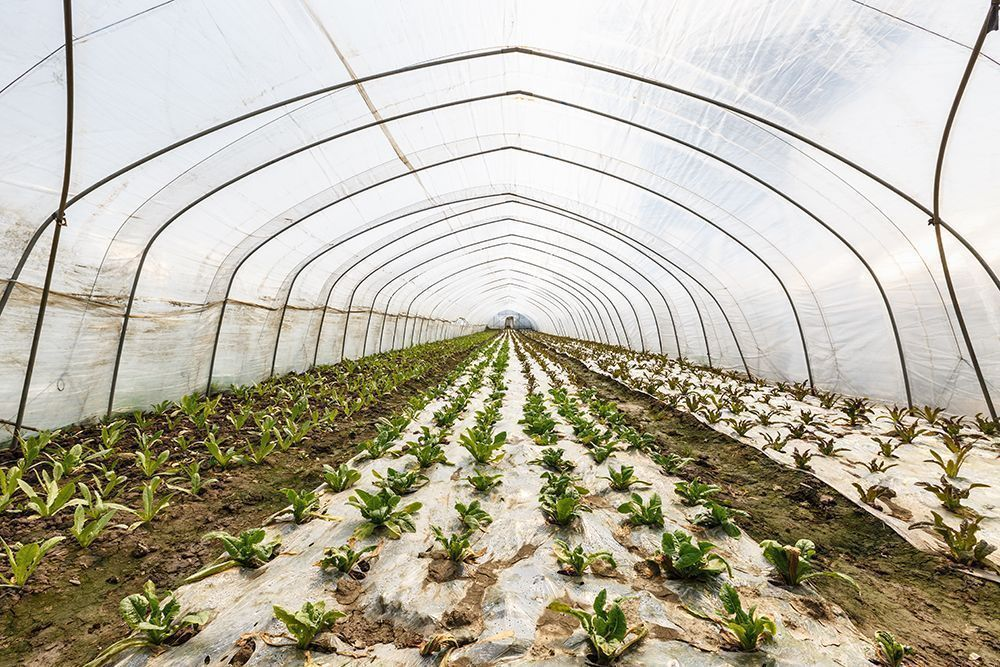
The growing use of protected cultivation is an important factor influencing the market landscape. Farmers are increasingly looking for ways to reduce exposure to excessive heat, heavy rainfall, pests, frost, and other environmental challenges. Textile-based agricultural solutions can provide an additional layer of protection while supporting better control over growing conditions.
Market intelligence suggests that demand patterns differ considerably between regions. Areas with highly developed commercial agriculture may emphasize advanced greenhouse systems and precision farming solutions. Meanwhile, developing agricultural economies may experience stronger demand for affordable crop protection products that help improve yields and reduce losses.
Understanding these regional differences is essential for companies developing Agricultural Textiles products and expansion strategies.
Rising Importance of Climate-Resilient Agriculture
Climate variability has become one of the most influential factors shaping agricultural decision-making. Unusual rainfall patterns, prolonged dry periods, intense sunlight, storms, and temperature fluctuations can significantly affect crop production.
Agricultural Textiles are increasingly viewed as tools that can support climate-resilient farming practices. Shade nets can help manage sunlight exposure, while protective covers may reduce damage caused by frost, insects, or harsh weather conditions. Ground covers and mulch textiles can also contribute to moisture retention and weed management.
This creates an important market intelligence opportunity. Manufacturers are not simply competing on the availability of textile materials. They are increasingly competing on how effectively their products address specific agricultural problems.
Products designed for particular crops, climates, and farming environments may gain stronger commercial relevance than generic solutions. This trend is encouraging greater specialization within the Agricultural Textiles industry.
Product Innovation Is Becoming a Competitive Priority
Innovation is an increasingly important element of Agricultural Textiles market intelligence. Farmers and commercial agricultural businesses are looking beyond traditional materials and considering products that offer improved durability, efficiency, and functionality.
Manufacturers are exploring materials with enhanced resistance to ultraviolet radiation, weather exposure, and repeated agricultural use. Product development is also focusing on improved permeability, light transmission, temperature management, and protection against insects and other external threats.
Another area of innovation involves sustainable materials. Growing environmental awareness is encouraging interest in recyclable, reusable, and potentially biodegradable agricultural textile solutions.
Companies that successfully balance product performance with environmental considerations may strengthen their competitive position. However, innovation must remain practical. Agricultural customers generally evaluate products according to measurable benefits such as crop protection, operational convenience, durability, and overall value.
Protected Cultivation Creates New Growth Opportunities
Protected cultivation is becoming an increasingly important part of the Agricultural Textiles market. Greenhouses, tunnels, shade houses, and other controlled growing environments require materials that help manage environmental conditions.
As demand for high-value fruits, vegetables, flowers, and specialty crops increases, farmers are investing in systems that can improve consistency and reduce exposure to external risks. Agricultural Textiles play an important role in these environments by supporting shading, insulation, protection, and crop management.
Market intelligence indicates that protected agriculture can create opportunities for premium and technically advanced textile products. Suppliers serving this segment may need to provide more than standard materials. Technical guidance, customized product specifications, and application knowledge can become important competitive advantages.
This shift is gradually changing the relationship between manufacturers and agricultural customers. Product suppliers are increasingly expected to understand farming requirements and provide solutions suited to specific cultivation systems.
Understanding Customer Purchasing Behavior
Customer intelligence is particularly valuable in the Agricultural Textiles industry because purchasing decisions are influenced by multiple practical considerations.
Price remains important, especially among small and medium-sized farmers. However, a lower initial price does not always guarantee purchasing preference. Products with longer operational life may offer better value when replacement costs and maintenance requirements are considered.
Farmers also consider installation convenience, durability, product availability, and suitability for local weather conditions. Commercial agricultural operations may place greater emphasis on technical performance and long-term operational efficiency.
This means manufacturers need a clear understanding of different customer groups. A product designed for large greenhouse operations may require a very different marketing and distribution approach compared with a product intended for small open-field farms.
Agricultural Textiles market intelligence therefore depends heavily on identifying customer priorities rather than treating the agricultural sector as a single, uniform market.
Supply Chain Intelligence and Raw Material Considerations
Raw material availability and pricing can strongly influence the economics of the Agricultural Textiles industry. Many products depend on synthetic fibers and polymers, making manufacturers sensitive to fluctuations in material costs and supply conditions.
Supply chain intelligence helps businesses understand potential risks related to sourcing, transportation, production capacity, and inventory management. Disruptions can affect product availability during important agricultural seasons, creating challenges for both suppliers and farmers.
Seasonality adds another dimension to the market. Demand for certain Agricultural Textiles products may increase before planting periods or during specific weather conditions. Companies that accurately anticipate seasonal demand can improve inventory planning and distribution efficiency.
Developing stronger regional supply networks may also become strategically important. Local production or distribution capabilities can help companies respond more quickly to customer requirements and reduce logistical complexity.
Sustainability Is Influencing Future Product Strategies
Environmental concerns are gradually becoming more relevant across agricultural supply chains. The use and disposal of synthetic materials have created greater attention toward product lifecycle management.
Agricultural Textiles manufacturers are exploring ways to reduce environmental impact through recyclable materials, longer-lasting products, improved collection systems, and alternative material technologies.
The sustainability conversation is also connected to product performance. A durable textile that remains effective over multiple agricultural cycles may reduce replacement requirements and material waste.
Future market intelligence will increasingly examine how sustainability expectations influence product development, regulations, customer preferences, and investment decisions. Companies that prepare early for these changes may be better positioned as environmental requirements become more demanding.
Regional Intelligence Shapes Business Expansion
Geographic conditions have a major influence on Agricultural Textiles demand. Climate, crop patterns, farm sizes, agricultural infrastructure, and purchasing power can all vary significantly from one region to another.
Warm regions may generate stronger demand for shading and heat-management products. Areas exposed to frost may require protective crop covers, while regions with intensive horticulture may create opportunities for greenhouse and netting solutions.
Companies planning international expansion need localized intelligence rather than relying on a single global strategy. Product design, pricing, distribution, and marketing may need to be adjusted according to regional agricultural conditions.
Partnerships with local distributors and agricultural organizations can also help companies better understand market requirements and improve access to customers.
Technology and Data Are Improving Market Visibility
Digital technologies are creating new opportunities for Agricultural Textiles companies to understand market developments. Data from agricultural operations, weather patterns, crop production, and customer purchasing behavior can support more informed decision-making.
Digital sales platforms are also making it easier for suppliers to reach wider customer groups. Farmers can increasingly compare products, evaluate specifications, and access agricultural information through online channels.
Technology may further support product development by helping manufacturers identify specific environmental conditions where different textile solutions can provide the greatest value.
As agriculture becomes more data-driven, Agricultural Textiles suppliers may benefit from connecting their products with broader smart farming and precision agriculture systems.
Competitive Intelligence and Strategic Positioning
Competition within the Agricultural Textiles market is influenced by product quality, pricing, innovation, distribution capabilities, and customer relationships.
Established manufacturers may benefit from strong production capacity and recognized product portfolios, while smaller companies can compete through specialization and regional expertise.
Competitive intelligence helps businesses identify gaps in existing product offerings and emerging customer requirements. Opportunities may exist in specialized crop applications, sustainable materials, advanced protective fabrics, and customized agricultural solutions.
Successful companies are likely to focus on differentiation rather than competing solely on price. Strong technical knowledge and reliable product performance can become important factors in building customer confidence.
Future Intelligence Outlook for Agricultural Textiles
The future of Agricultural Textiles will be closely connected to the broader modernization of agriculture. Growing pressure to increase productivity while managing environmental challenges will continue to encourage the use of protective and performance-oriented farming materials.
Climate adaptation, protected cultivation, sustainability, and technological integration are expected to remain important themes influencing market development. At the same time, businesses will need to respond to changing raw material costs, customer expectations, and regional agricultural conditions.
Agricultural Textiles market intelligence will become increasingly valuable as the industry grows more specialized and competitive. Companies that combine strong product innovation with a detailed understanding of farmers, supply chains, environmental conditions, and regional markets will be better positioned to identify meaningful opportunities.
Ultimately, the industry is moving toward a more solution-oriented approach. Agricultural Textiles are no longer viewed simply as supporting materials for farming. They are becoming important components of modern agricultural systems designed to protect crops, improve resource efficiency, and support more resilient food production.
Tags: Agricultural Textiles Market, Agricultural Textiles Industry, Crop Protection, Shade Nets, Greenhouse Textiles, Protected Cultivation, Sustainable Agriculture, Agrotextiles, Farming Innovation, Climate-Resilient Agriculture, Agricultural Technology, Crop Management.
Keywords: Agricultural Textiles, Agricultural Textiles Market Intelligence, agrotextiles, crop protection textiles, greenhouse materials, shade netting, agricultural sustainability, protected farming, modern agriculture, agricultural innovation.
Hashtags: #AgriculturalTextiles #AgriculturalTextilesMarket #Agrotextiles #Agriculture #CropProtection #ProtectedCultivation #SustainableAgriculture #FarmingInnovation #AgriculturalTechnology #ModernAgriculture
Comments
Log in or sign up to join the conversation.