

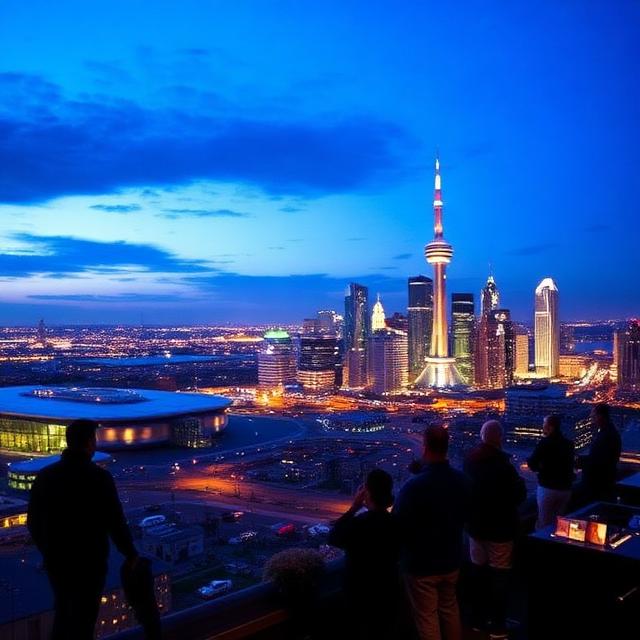
Choosing the right location can make a major difference to a corporate conference.
For companies bringing together employees, clients, speakers, partners, or international guests, location affects almost everything: travel time, accommodation, meeting logistics, dining, networking, and the overall experience.
Aerocity is particularly interesting for corporate events because of its proximity to Delhi Airport and its concentration of hotels and business facilities.
For organizations with attendees arriving from different cities or countries, this can simplify travel planning.
However, choosing Aerocity for a conference should involve more than selecting a hotel and booking a meeting room. Event planners should consider the complete attendee journey, from airport arrival to departure.
This guide explains how businesses can approach conference planning in Aerocity.
Why Consider Aerocity for a Corporate Conference?
The area's biggest advantage is accessibility.
Delhi is a major business and travel hub, and Aerocity sits close to the airport.
That can be useful when a conference includes attendees who are:
Flying into Delhi
Staying for only one or two nights
Traveling internationally
Joining from different Indian cities
Attending a business meeting before or after the conference
Keeping accommodation and conference facilities relatively close together can reduce unnecessary travel.
Airport Accessibility
For international attendees, airport access can be particularly valuable.
Travelers arriving after a long flight may not want another lengthy road journey before reaching their hotel.
Likewise, attendees with evening departures can finish the conference and travel toward the airport more conveniently.
Event planners should still verify current travel times because Delhi traffic conditions can change.
Conference Hotels in Aerocity
Aerocity has several hotels that cater to business travelers and events.
When comparing properties, don't look only at the room rate.
Consider the complete conference requirement.
Important factors include:
Meeting room capacity
Seating arrangements
Audio-visual equipment
Internet connectivity
Catering
Guest rooms
Parking
Airport transfers
Breakout rooms
Business services
Accessibility
A hotel that is excellent for accommodation may not necessarily be the best conference venue.
Estimate Attendance First
Before contacting venues, determine the approximate number of attendees.
A conference for 30 people has very different requirements from an event for 300 people.
Create an initial estimate covering:
Delegates
Speakers
Organizers
Staff
Vendors
Media
Guests
Leave some flexibility in the final capacity.
Choose the Right Room Layout
Different sessions require different layouts.
Theatre Style
Useful for presentations and keynote speeches.
Classroom Style
Suitable for training and educational sessions.
Boardroom
Better for smaller executive meetings.
U-Shape
Useful when interaction and discussion are important.
Cabaret or Cluster Seating
Can work well for workshops and group activities.
Discuss your objectives with the venue before selecting a layout.
Plan the Main Conference Room
The main room should support the most important session of the day.
Consider:
Stage size
Screen visibility
Speaker position
Lighting
Sound
Air conditioning
Seating
Entrance and exit points
Ask the venue whether a technical rehearsal is available before the event.
Audio-Visual Equipment
Modern conferences often depend heavily on technology.
You may need:
Projectors
Large displays
Microphones
Speakers
Presentation clickers
Video conferencing equipment
Recording equipment
Lighting
Backup equipment
Confirm compatibility with the speakers' laptops.
A technical check before the event can prevent avoidable problems.
Internet Connectivity
Reliable internet can be important for:
Presentations
Live demonstrations
Video calls
Registration systems
Event applications
Social media
Communication
Ask the venue about available bandwidth and whether dedicated connectivity is possible for larger events.
Plan for Registration
Registration is often the first point of contact between attendees and the conference.
Create a clear registration area.
You may need:
Registration desks
Name badges
Event programs
Direction signs
Staff
QR-code check-in
Guest lists
Avoid placing registration in a location that creates congestion.
Signage Matters
Attendees should be able to find:
Registration
Main hall
Breakout rooms
Restrooms
Dining areas
Emergency exits
Networking areas
Simple signs can significantly improve the attendee experience.
Accommodation for Conference Guests
If many attendees are traveling from outside Delhi, consider arranging room blocks.
Ask hotels about group accommodation rates.
Compare:
Room types
Breakfast
Cancellation terms
Check-in
Check-out
Early arrival
Late departure
Group rates
Get all important terms in writing.
Airport Transfers
Transportation is another major consideration.
Depending on the event, organizers may arrange:
Airport pickups
Shared shuttles
Private cars
Hotel transfers
Create a clear arrival system for international and domestic attendees.
Make sure participants know where to meet their driver or shuttle.
International Guests
International attendees may require additional assistance.
Provide information about:
Airport arrival
Hotel location
Transportation
Conference venue
Local weather
Currency
Important contact numbers
Event schedule
Clear instructions can reduce confusion.
Conference Catering
Food is an important part of the event.
Plan meals around the schedule.
Common requirements include:
Breakfast
Coffee breaks
Lunch
Afternoon tea
Dinner
Networking refreshments
Ask attendees about dietary requirements during registration.
Dietary Requirements
A conference may include guests with different food preferences.
Consider collecting information about:
Vegetarian meals
Vegan meals
Allergies
Food intolerances
Religious dietary requirements
Provide the information to the catering team well before the event.
Coffee Breaks
Short breaks can be useful for both refreshment and networking.
A well-planned coffee station can reduce congestion.
Consider having multiple service points for larger groups.
Networking Opportunities
A corporate conference should not be only presentations.
Networking can be built into the schedule.
For example:
10:30 AM: Coffee break
1:00 PM: Lunch
4:00 PM: Afternoon break
6:30 PM: Networking dinner
These informal periods give attendees opportunities to connect.
Evening Dining
Dinner can be used as an extension of the conference.
A nearby restaurant or hotel dining venue can reduce transportation requirements.
For additional information about dining and evening activities in the area, the Aerocity Delhi guide can be used as a starting point.
For a large group, confirm seating capacity and reservation arrangements beforehand.
Conference Agenda
A clear agenda helps everyone stay organized.
A basic one-day schedule might look like:
8:30 AM: Registration
9:00 AM: Opening session
10:30 AM: Coffee break
11:00 AM: Keynote
12:30 PM: Panel discussion
1:30 PM: Lunch
2:30 PM: Workshops
4:00 PM: Break
4:30 PM: Closing sessions
6:00 PM: Networking
7:30 PM: Dinner
Adjust the timing according to the event.
Avoid an Overloaded Schedule
Too many sessions can reduce attention.
Include sufficient breaks.
Attendees need time to:
Eat
Check email
Make phone calls
Network
Rest
Move between rooms
A realistic schedule is better than a packed schedule.
Plan for Speakers
Speakers may need additional support.
Confirm:
Arrival time
Presentation format
Technical requirements
Microphone needs
Bio and introduction
Accommodation
Transportation
Request presentations before the event so the technical team can test them.
Have Backup Speakers or Content
Unexpected changes happen.
A speaker may experience a flight delay or technical issue.
Prepare a backup plan.
You could move another session forward or provide networking time.
Hybrid Conferences
Some conferences include remote participants.
If your event is hybrid, verify that the venue can support:
Video conferencing
Cameras
Microphones
Screens
Reliable internet
Technical support
Conduct a test before the event.
Accessibility
Conference organizers should consider accessibility.
Check:
Entrance access
Elevators
Restrooms
Seating
Signage
Accessibility for guests with mobility requirements
Discuss specific requirements with the hotel in advance.
Security and Guest Management
Depending on the event, security may be necessary.
Large corporate conferences may require:
Guest registration
Identification
Security staff
Restricted areas
Vendor access procedures
Work with the venue to understand its current policies.
Parking
Some attendees may arrive by car.
Ask the venue about parking availability and arrangements.
If parking is limited, provide alternative transportation information.
Event Branding
Corporate events often require branded materials.
Possible items include:
Stage backdrop
Direction signs
Registration branding
Name badges
Presentation screens
Table signs
Digital displays
Ask the venue about restrictions on signage and installation.
Photography and Video
If the conference will be photographed or recorded, plan this in advance.
Consider:
Photographer access
Video equipment
Stage coverage
Speaker permissions
Guest privacy
Storage of recordings
For international or corporate events, confirm any relevant internal privacy requirements.
Build an Event Checklist
A useful checklist could include:
Before Booking
Attendance estimate
Budget
Preferred date
Conference objectives
Room requirements
Before the Event
Final guest list
Catering
AV testing
Speaker confirmation
Transportation
Signage
Accommodation
On Event Day
Registration
Technical check
Speaker support
Catering
Guest assistance
Schedule management
After the Event
Feedback
Final invoices
Lost property
Recordings
Follow-up communication
Compare Total Event Costs
The cheapest venue isn't necessarily the most cost-effective.
Calculate:
Venue + accommodation + catering + AV + transportation + staffing + additional services
A venue that includes more services may provide better overall value.
Consider the Attendee Experience
A successful conference isn't only about presentations.
Think about the entire experience.
Attendees should know:
Where to go
When to arrive
Where to eat
How to access sessions
Where to stay
How to reach the airport
Clear communication makes the event easier for everyone.
Create a Delegate Information Page
Before the event, send participants a concise information sheet.
Include:
Venue address
Conference schedule
Hotel information
Airport information
Transportation
Dress code if applicable
Contact details
Emergency information
This can reduce repeated questions.
Final Thoughts
Aerocity for corporate conferences can be a practical choice because the area combines airport access, hotels, dining, and business-oriented facilities.
The best venue depends on the event size and objectives.
A small executive meeting has different needs from a large industry conference. Before booking, compare meeting space, accommodation, technology, catering, transportation, accessibility, and total cost.
For international attendees, proximity to Delhi Airport can simplify the overall travel experience.
For additional local information, the Aerocity Delhi guide can serve as a starting point for researching dining, evening activities, and other aspects of staying in the area.
Most importantly, plan around the attendee journey.
When registration is smooth, technology works, food is well organized, speakers are prepared, and transportation is clear, attendees can focus on the actual purpose of the conference rather than logistical problems.
Comments
Log in or sign up to join the conversation.