
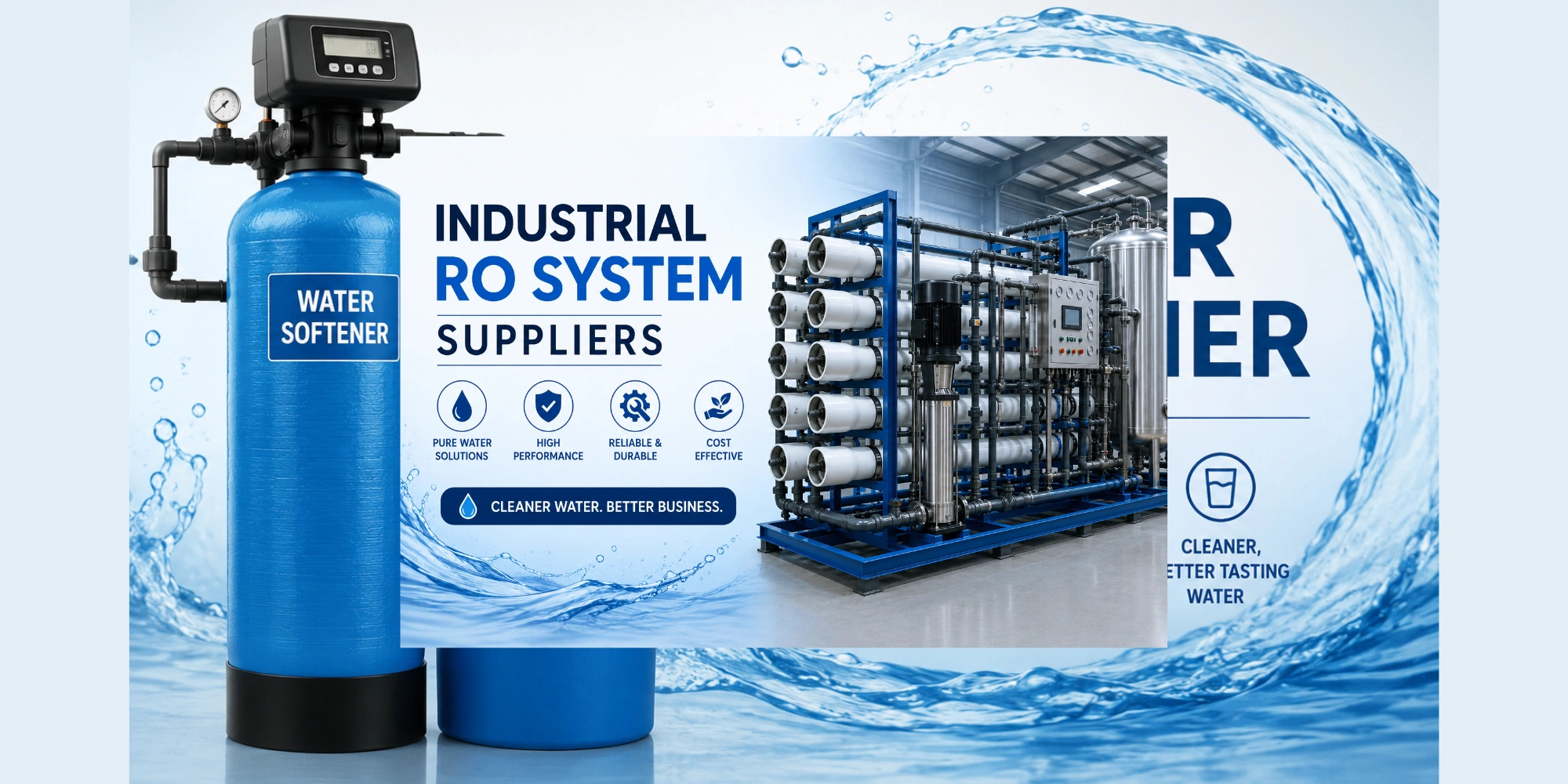
Hard water is a common concern in many homes and commercial properties. It contains minerals such as calcium and magnesium that can gradually create scale deposits on taps, pipes, bathroom fixtures, water heaters, and household appliances. Understanding the advantages of using a water softener can help property owners choose a practical solution for managing hard water.
A water softener is designed to reduce the concentration of hardness-causing minerals in water. By treating hard water before it reaches different parts of a property, a water softening system can help reduce mineral buildup and improve the overall usability of water.
What Is a Water Softener?
A water softener is a water treatment system that helps remove or reduce hardness-causing minerals, mainly calcium and magnesium. Many conventional water softeners use an ion-exchange process to replace these minerals with sodium or potassium ions.
The right system depends on factors such as water hardness, household water consumption, available space, maintenance requirements, and the specific needs of the property.
Advantages of Using a Water Softener
One of the major water softener benefits is reducing the effects associated with hard water. Regular use of softened water may help minimize scale deposits on plumbing fixtures and appliances.
1. Helps Reduce Scale Buildup
Hard water can leave mineral deposits on faucets, showerheads, sinks, pipes, and appliances. A water softener can help reduce these deposits, making fixtures easier to maintain and clean.
2. Protects Plumbing and Appliances
Mineral buildup can affect water heaters, washing machines, dishwashers, and plumbing components over time. A suitable home water softener can help reduce hardness-related scaling and support the efficient operation of water-using equipment.
3. Improves Soap and Detergent Performance
Hard water can interfere with the performance of soaps and detergents. Softened water may allow cleaning products to work more effectively, which can make washing clothes, dishes, and surfaces easier.
4. Makes Cleaning Easier
Hard-water stains can appear on glass, bathroom surfaces, taps, and tiles. Reducing water hardness can help minimize these deposits and make regular household cleaning more manageable.
5. Supports Better Appliance Maintenance
Water heaters and other appliances that regularly use water can accumulate mineral deposits. Managing hardness with a suitable water softening system may help reduce scale-related maintenance concerns.
6. Can Improve the Feel of Water
Some people notice that softened water feels different on their skin and hair compared with hard water. This can make bathing and washing more comfortable for certain users.
Why Consider Hard Water Treatment?
The effects of hard water can vary depending on the mineral content of the local water supply. If a property experiences frequent white deposits, soap scum, scale around taps, or reduced appliance performance, testing the water hardness can be a useful first step.
A professional hard water treatment solution can then be selected based on actual water quality rather than assumptions.
Choosing a Water Softener
Before purchasing a water softener for home, consider the hardness level of the water, daily water usage, system capacity, installation requirements, regeneration method, maintenance needs, and operating costs.
It is also important to choose a system that matches the property's water consumption. An appropriately sized unit can provide more practical and consistent water treatment.
Final Thoughts
The advantages of using a water softener include helping reduce scale buildup, supporting plumbing and appliance maintenance, improving cleaning performance, and making everyday water use more convenient. However, the best solution depends on the hardness of the water and the requirements of the property.
If hard water is causing persistent scaling or cleaning problems, consider testing the water and comparing suitable water softening systems before making a decision.
Comments
Log in or sign up to join the conversation.