

Critical illness can change a family's situation within hours. A patient recovering from a serious infection, respiratory problem, neurological condition, surgery, or prolonged hospitalization may require close medical observation and skilled nursing support. Advanced ICU Care Kolkata is intended for patients who need a higher level of monitoring and clinical attention than routine ward care.
Caregivers Hospice & Palliative Care Unit provides supportive medical, nursing, transitional, and palliative care based on individual patient needs. The aim is to create an appropriate care plan that considers the patient's condition, symptoms, comfort, and need for ongoing clinical supervision.
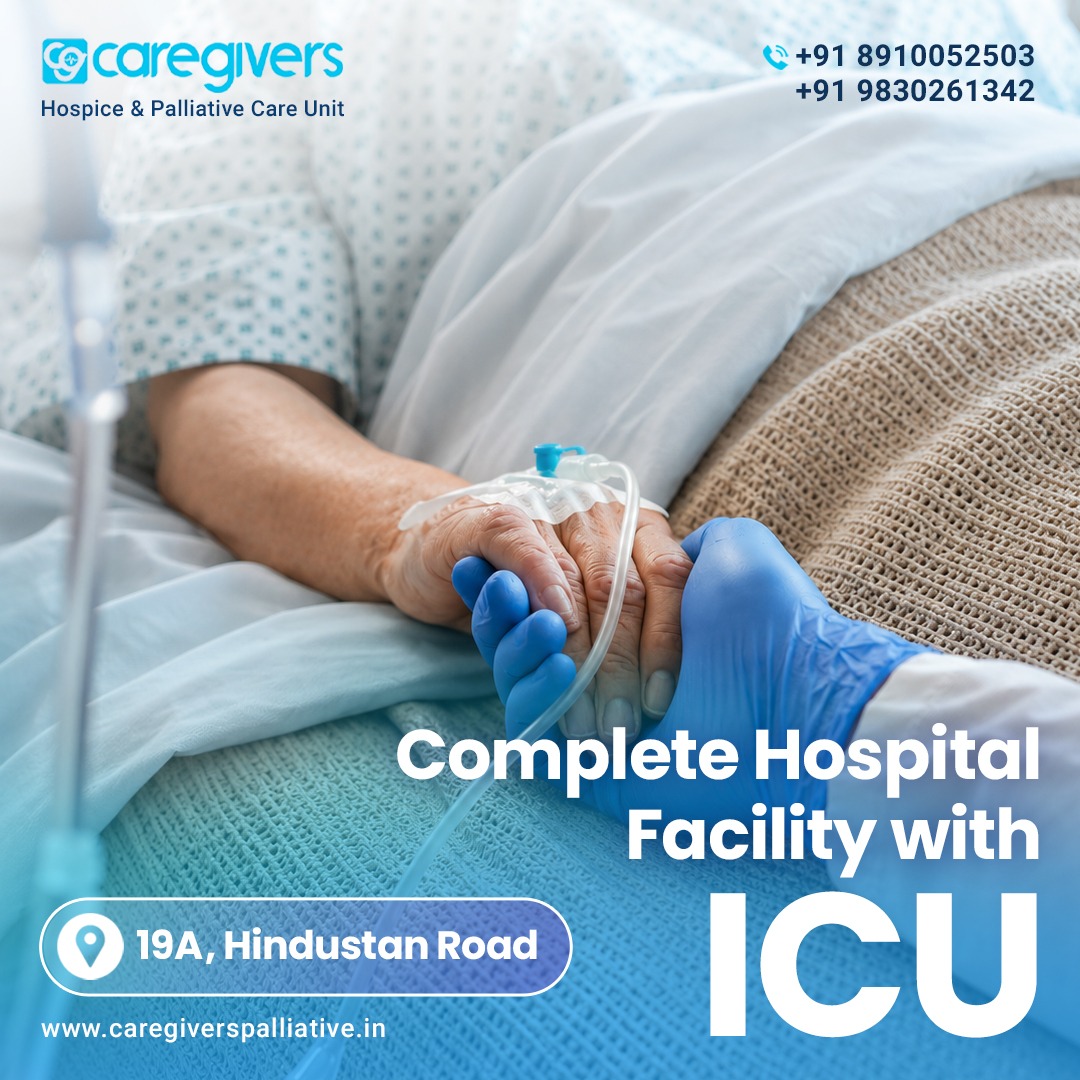
What Does Advanced ICU Care Include?
Advanced ICU care is designed for patients whose medical condition requires continuous or frequent observation. Depending on the patient's diagnosis and clinical needs, care may include monitoring vital signs, oxygen support, medication management, nursing supervision, nutritional assistance, wound care, and other medically advised support.
An intensive care environment may use equipment such as multiparameter monitors, oxygen delivery systems, suction equipment, and infusion pumps. The exact equipment and level of intervention required depend on the patient's condition.
Technology is only one part of critical care. Doctors, nurses, attendants, and other healthcare professionals need to work together to observe the patient, identify changes, and follow the prescribed treatment plan.
When Is Advanced ICU Care Kolkata Required?
There is no single condition that determines whether someone needs intensive care. Doctors make this decision after considering the patient's symptoms, diagnosis, medical history, vital signs, and overall stability.
Patients may require Advanced ICU Care Kolkata when they experience serious respiratory difficulties, severe infections, unstable vital signs, complications after surgery, neurological problems, or a sudden worsening of an existing medical condition.
Some patients may also need a higher level of supervision during recovery. They may no longer be in an immediate emergency but may still require close observation before moving to a lower level of care.
A proper medical assessment is essential because symptoms that appear similar can have very different causes and treatment requirements.
Continuous Monitoring for Critically Ill Patients
One of the main differences between routine care and intensive care is the level of monitoring.
Critically ill patients can experience rapid changes in their condition. Depending on clinical requirements, healthcare professionals may monitor heart rate, blood pressure, oxygen saturation, breathing patterns, temperature, fluid balance, and other relevant parameters.
Monitoring helps the clinical team understand how a patient is responding to treatment. It can also help identify changes that require medical review.
At Caregivers Hospice & Palliative Care Unit, the level of observation and support should be determined according to the patient's individual clinical requirements.
Importance of Skilled Nursing Care
Nurses have an important role in supporting critically ill patients. Their responsibilities can include administering prescribed medicines, checking vital signs, assisting with hygiene, repositioning patients, providing feeding support, managing wounds, and observing changes in the patient's condition.
Patients with reduced mobility may require additional attention to positioning and skin care. Those receiving oxygen or other respiratory support require careful observation according to the treatment plan.
Good nursing support also contributes to patient comfort. Critically ill people can feel frightened, confused, weak, or uncomfortable, particularly after prolonged hospitalization. Calm communication and respectful personal care remain important alongside clinical treatment.
Hospital with ICU Facility in Kolkata
Families looking for a Hospital with ICU Facility in Kolkata often focus first on equipment and infrastructure. These are important, but they are only part of the decision.
The patient's specific medical needs should guide the choice of care setting. Families may need to consider the availability of medical supervision, nursing support, monitoring facilities, oxygen and respiratory support, infection-control measures, and options for continued care once the patient becomes more stable.
It is also useful to understand what happens after intensive treatment.
A patient may improve enough to leave acute hospital care but still require nursing, rehabilitation, symptom management, or medical observation. Planning this transition can reduce confusion for families and help maintain continuity of care.
ICU Support for Elderly Patients
Older patients often have several medical conditions at the same time. Heart disease, diabetes, hypertension, respiratory disorders, neurological conditions, reduced mobility, and age-related weakness can affect treatment and recovery.
For this reason, ICU care for an elderly patient should be individualized.
Doctors may consider the person's current illness, existing health conditions, previous level of independence, treatment goals, and likely benefits and risks of different interventions.
Families should also receive clear information about the patient's condition and available care options. This becomes particularly important when the patient has a serious long-term or life-limiting illness.
Care Following a Serious Illness
Leaving an ICU does not necessarily mean that a patient has fully recovered.
Some people experience significant weakness after critical illness or prolonged hospitalization. They may need help with mobility, eating, personal hygiene, medication schedules, wound management, and other everyday activities.
A structured care plan can help bridge the gap between intensive treatment and independent living.
Before a patient moves to another care setting, families should understand the medication schedule, nutritional requirements, mobility restrictions, follow-up appointments, warning signs, and any equipment or nursing assistance that may be required.
Caregivers Hospice & Palliative Care Unit can support patients whose condition calls for continued medical or nursing attention following hospitalization, depending on individual requirements.
Advanced Palliative Care Services Kolkata
Some critically ill patients are living with advanced cancer, progressive neurological disease, severe organ disease, or another serious long-term condition. In these situations, treatment decisions may involve more than stabilizing vital signs.
Advanced Palliative Care Services Kolkata focuses on reducing distressing symptoms and improving comfort for people living with serious illnesses.
Palliative care may address pain, breathlessness, nausea, weakness, loss of appetite, sleeping difficulties, anxiety, and other symptoms. The exact approach depends on the patient's diagnosis, symptoms, treatment plan, and personal needs.
Palliative care can sometimes be provided alongside other medical treatments. It does not automatically mean that all active treatment has stopped.
How ICU Care and Palliative Care Can Work Together
ICU and palliative care have different primary purposes, but their roles can overlap.
Intensive care generally focuses on close monitoring, stabilization, and medical treatment of serious conditions. Palliative care focuses on symptom relief, comfort, quality of life, and support for patients and families facing serious illness.
For some patients, aggressive medical treatment may remain appropriate. For others, especially those with advanced disease, doctors and families may need to discuss whether certain interventions are likely to provide meaningful benefit.
These decisions should be based on medical assessment, the patient's condition, known preferences, and discussions between healthcare professionals and family members.
Caregivers Hospice & Palliative Care Unit recognizes the importance of balancing necessary clinical care with comfort and dignity, particularly for patients facing advanced or prolonged illnesses.
Infection Control in Intensive Care
Patients receiving critical care can be more vulnerable to infection. Existing illness, reduced immunity, wounds, medical devices, and prolonged stays in healthcare facilities may increase this risk.
Good infection-control practices are therefore essential.
These can include proper hand hygiene, appropriate cleaning of equipment, careful wound care, safe management of medical devices, and adherence to facility-specific hygiene procedures.
Visitors also have a role. Following hand-hygiene instructions and other precautions provided by healthcare staff can help protect vulnerable patients.
Communication With Families
Critical illness is difficult not only for patients but also for their families. Medical terms, changing symptoms, treatment decisions, and uncertainty about recovery can be hard to process.
Clear communication can help families understand what is happening.
Families may want to ask the medical team about the patient's current condition, treatment goals, expected next steps, signs of improvement or deterioration, and what type of care may be needed later.
When a patient cannot communicate independently, discussions about known preferences and treatment goals become especially important.
At Caregivers Hospice & Palliative Care Unit, communication with families forms an important part of patient-centred care.
Comfort and Dignity During Critical Care
Medical treatment should not overlook basic human needs.
A critically ill patient may depend completely on healthcare professionals for hygiene, positioning, nutrition, communication, and relief from discomfort. Maintaining privacy and treating the patient respectfully can make a meaningful difference to their experience.
Pain and other distressing symptoms should also be communicated to the clinical team so they can be assessed and managed appropriately.
This becomes particularly relevant when critical care and Advanced Palliative Care Services Kolkata are part of the same patient's care journey.
Choosing the Appropriate Critical Care Setting
When choosing Advanced ICU Care Kolkata, families should focus on whether the facility can meet the patient's specific clinical needs.
Important considerations include the type of medical supervision available, nursing support, monitoring facilities, infection-control procedures, emergency response arrangements, and options for step-down, transitional, or palliative care.
Families should also share relevant medical records, current prescriptions, previous diagnoses, recent test results, and discharge documents with the healthcare team whenever requested. Accurate information helps clinicians understand the patient's history and plan care appropriately.
Patient-Centred Care at Caregivers Hospice & Palliative Care Unit
Every critically ill patient has different needs. Two patients with the same diagnosis may require different levels of monitoring, nursing assistance, symptom control, and rehabilitation.
Caregivers Hospice & Palliative Care Unit follows an individualized approach to supportive and palliative care. Patient condition, clinical requirements, comfort, mobility, symptoms, and family concerns are considered when planning ongoing support.
Patients moving from a Hospital with ICU Facility in Kolkata may require continued observation before they are ready for routine home care. Others living with advanced illnesses may benefit from palliative support focused on symptom management and comfort.
The appropriate pathway depends on careful medical assessment rather than a one-size-fits-all approach.
Supporting Patients Through Different Stages of Care
Advanced ICU Care Kolkata can be an important part of treatment for patients who require close monitoring and skilled clinical support. Yet intensive care is often only one stage of a longer recovery or care journey.
Some patients progress toward rehabilitation and greater independence. Others need continued nursing and medical support. Patients with advanced illnesses may require Advanced Palliative Care Services Kolkata to manage symptoms and maintain comfort.
Caregivers Hospice & Palliative Care Unit supports patients and families through these changing care needs with attention to medical requirements, comfort, dignity, and communication. The goal is to ensure that each patient's care reflects their present condition and is adjusted as their needs change.
Comments
Log in or sign up to join the conversation.