
Introduction
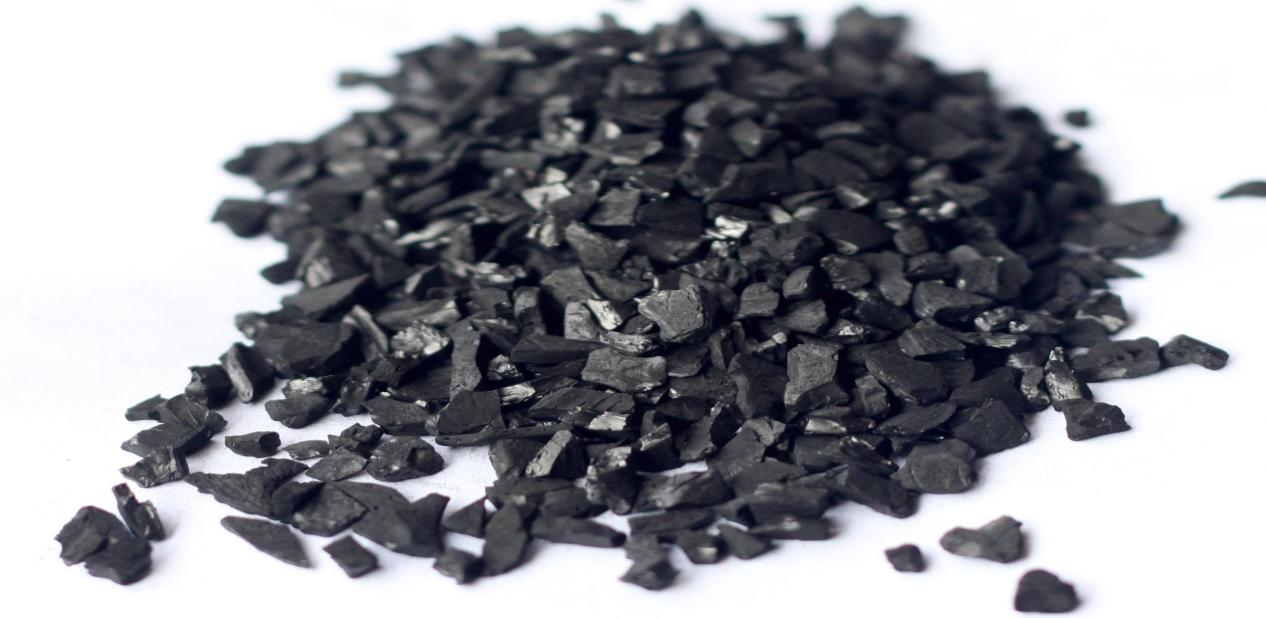
The Activated Carbon Market is gaining attention as industries increasingly focus on purification, environmental protection, sustainable manufacturing, and resource efficiency. Activated carbon is widely valued for its highly porous structure and strong adsorption capabilities, making it useful for removing contaminants, odors, chemicals, and unwanted substances from gases and liquids.
The range of applications continues to expand across water treatment, air purification, food and beverage processing, pharmaceuticals, industrial manufacturing, automotive systems, and energy-related activities. As environmental expectations become more demanding, the Activated Carbon Market is finding new opportunities in both established industries and emerging technologies.
Future growth opportunities are not limited to increasing consumption alone. Product innovation, renewable raw materials, specialized grades, regeneration technologies, and advanced filtration systems are opening new directions for manufacturers and industry participants.
Expanding Opportunities in Water Treatment
Water purification remains one of the most important opportunity areas for the Activated Carbon Market. Growing concerns about water quality are encouraging municipalities, industries, and commercial facilities to improve their treatment systems.
Activated carbon can help remove organic compounds, unpleasant tastes, odors, residual chemicals, and various impurities from water. This makes it valuable in drinking water treatment as well as industrial wastewater management.
Rapid urbanization is creating additional pressure on existing water infrastructure. Many regions need new treatment facilities or upgrades to older systems. These investments can create sustained opportunities for activated carbon suppliers.
Industrial water reuse is another promising area. Manufacturing facilities are increasingly exploring ways to recycle and reuse water to reduce consumption and operating costs. Advanced filtration systems using activated carbon can support these efforts by improving water quality before reuse or discharge.
Growing Demand for Cleaner Air Solutions
Air purification represents another major growth avenue for the Activated Carbon Market. Concerns about indoor and outdoor air quality are encouraging the adoption of filtration technologies capable of controlling odors, gases, and volatile pollutants.
Activated carbon is used in residential air purifiers, commercial ventilation systems, industrial emission-control equipment, and specialized filtration products. Demand may continue to grow as consumers become more aware of indoor environmental quality.
Commercial buildings, hospitals, educational institutions, transportation facilities, and manufacturing plants are increasingly focused on improving air management systems. This creates opportunities for manufacturers that can develop activated carbon products designed for specific air filtration requirements.
The development of advanced HVAC filtration systems may further strengthen this opportunity. Products with improved adsorption performance and longer service life could become increasingly important in modern air treatment applications.
Opportunities from Sustainable Raw Materials
Sustainability is creating new possibilities within the Activated Carbon Market. Traditionally, activated carbon has been produced using several carbon-rich raw materials. However, growing interest in renewable and waste-based resources is encouraging manufacturers to explore alternative feedstocks.
Agricultural by-products, coconut shells, wood residues, and other biomass materials can potentially support more sustainable production approaches. This trend creates opportunities to combine waste utilization with the production of high-value filtration materials.
The use of renewable raw materials can also support circular economy initiatives. Instead of allowing certain organic residues to become waste, they may be converted into useful products with industrial applications.
Companies that develop efficient production technologies for sustainable activated carbon may gain access to new customer segments focused on environmentally responsible sourcing and manufacturing.
Industrial Pollution Control Creates New Potential
Industrial facilities face increasing pressure to manage emissions and reduce the release of harmful substances into the environment. This is creating opportunities for the Activated Carbon Market in pollution-control applications.
Activated carbon can be used in systems designed to capture contaminants from industrial gases and liquids. Manufacturing industries, chemical processing facilities, waste treatment plants, and other operations may require specialized purification solutions.
Different industries often have different contamination challenges. This creates an opportunity for manufacturers to develop application-specific activated carbon grades rather than relying entirely on standardized products.
Customized solutions can provide improved performance for particular operating conditions. Suppliers capable of offering technical support, product selection assistance, and specialized formulations may strengthen their position in this evolving market.
Rising Potential in Food and Beverage Processing
The food and beverage industry presents another attractive opportunity for activated carbon applications. Purification and decolorization processes are important in the production of various food ingredients and beverages.
Activated carbon can be used to remove unwanted colors, odors, and impurities during processing. As food manufacturers focus on improving product quality and maintaining consistent production standards, demand for effective purification materials may increase.
The expansion of processed food and beverage production in developing economies could create additional opportunities. Growing populations, changing lifestyles, and increasing demand for packaged products are contributing to the development of modern food-processing infrastructure.
Suppliers that provide high-purity activated carbon suitable for sensitive processing environments may benefit from this expanding application area.
Pharmaceutical and Healthcare Applications
The pharmaceutical sector offers important long-term opportunities for the Activated Carbon Market. Purification is a critical part of many pharmaceutical and chemical processes, creating demand for materials capable of removing unwanted compounds.
Activated carbon may be used in purification processes involving pharmaceutical ingredients, intermediates, and production streams. High-quality products with controlled characteristics can be particularly important in applications where consistency is essential.
Healthcare-related demand for advanced filtration systems may also support market opportunities. Air and water purification requirements in laboratories, healthcare facilities, and specialized manufacturing environments can create demand for reliable adsorption materials.
As pharmaceutical manufacturing expands globally, suppliers with specialized products and strong quality-control capabilities may find new opportunities in this sector.
Regeneration and Circular Business Models
One of the most promising opportunities for the Activated Carbon Market involves regeneration and reuse. In some applications, spent activated carbon can potentially be regenerated and returned to service.
This approach can reduce waste while helping users manage material costs. Regeneration services may therefore become an increasingly important business opportunity alongside the sale of new activated carbon products.
Companies can develop service-based models that include carbon replacement, collection, regeneration, testing, and reinstallation. Such solutions may create longer-term relationships with customers.
The shift toward resource efficiency could make circular business models increasingly attractive. Instead of focusing only on product sales, suppliers can offer complete lifecycle management solutions.
Advanced Energy and Emerging Technologies
Emerging technologies could create entirely new opportunities for the Activated Carbon Market. Activated carbon and related porous carbon materials are being explored for a variety of energy-storage and advanced industrial applications.
The growing interest in batteries, energy storage systems, and advanced materials is encouraging research into carbon-based products with specialized physical and chemical properties.
While traditional purification applications will remain important, emerging technologies may diversify the long-term demand base. Manufacturers investing in research and product development could benefit from these evolving opportunities.
Specialized activated carbon with tailored pore structures, surface properties, and particle sizes may become increasingly valuable for advanced applications.
Opportunities in Developing Economies
Developing economies offer significant potential because of industrialization, urban growth, and infrastructure development. Expanding cities require better water treatment, waste management, air purification, and industrial pollution-control systems.
New manufacturing facilities can also increase demand for purification materials. Industries entering developing markets often need modern systems capable of meeting environmental and operational requirements.
Local production may become another important opportunity. Establishing regional manufacturing and supply networks can help companies respond more efficiently to customer requirements while reducing transportation challenges.
Manufacturers that understand local industrial needs and develop region-specific strategies may be well positioned to capture emerging demand.
Product Innovation and Specialized Grades
Innovation remains a major source of opportunity in the Activated Carbon Market. Customers increasingly require products designed for specific applications rather than general-purpose solutions.
Manufacturers can focus on improving adsorption capacity, regeneration performance, durability, particle consistency, and processing efficiency. Specialized grades may be developed for water treatment, gas purification, food processing, pharmaceutical manufacturing, and other sectors.
Technical innovation can also help companies differentiate themselves in a competitive environment. Developing higher-performance products may create opportunities in premium market segments where customers prioritize reliability and efficiency.
Conclusion
The Activated Carbon Market has a broad range of opportunities driven by environmental awareness, industrial development, water treatment needs, air purification requirements, and technological innovation. Traditional applications continue to provide a strong foundation, while emerging sectors are creating new possibilities for specialized products and services.
Sustainable raw materials, regeneration systems, customized solutions, and advanced carbon technologies could significantly influence future market development. Companies that invest in innovation and understand changing customer requirements may be better positioned to benefit from these opportunities.
As industries continue searching for effective ways to improve purification, reduce pollution, conserve resources, and support sustainable operations, activated carbon is likely to remain an important material across multiple sectors. The future potential of the Activated Carbon Market will increasingly depend on how successfully manufacturers transform these evolving needs into efficient, specialized, and environmentally responsible solutions.
Comments
Log in or sign up to join the conversation.