

Desserts generally represent the cultural identity of a country, and South African desserts act as a prime example of this. Infusing native traditions with European influences, these desserts are known for their comforting tastes, simple components, and the allure of home-cooking. South African sweets, whether they are presented as a finishing touch to a family meal, at a party, or with a cup of tea, reflect a profound culinary heritage.
If you love trying out different cuisines from around the world, tasting these classic dishes is a great and tasty way to experience genuine South African food.
What Makes South African Desserts Special?
South African food desserts are appealing because they delightfully combine texture and flavor. Most of the time, recipes use simple staples like milk, butter, flour, sugar, and fruit preserves to make desserts that are both recognizable and new. And rather than being overly sweet, these desserts mainly portray the feelings of warmth, comfort and the carrying on of traditions. Passed down from one generation to the next, they remain a central element at family gatherings and celebrations across the country.
Traditional Desserts Worth Exploring
The sheer diversity is one aspect of South African desserts that endears them to the whole world. The desserts generally fall into three categories: baked puddings, creamy pastries and crunchy biscuits, which differentially provide these elements. Some are served hot with custard, while others are left cold or served with a cup of tea. Their variety is so great that any South African dessert can be paired with different seasons and events.
Three Iconic South African Favorites
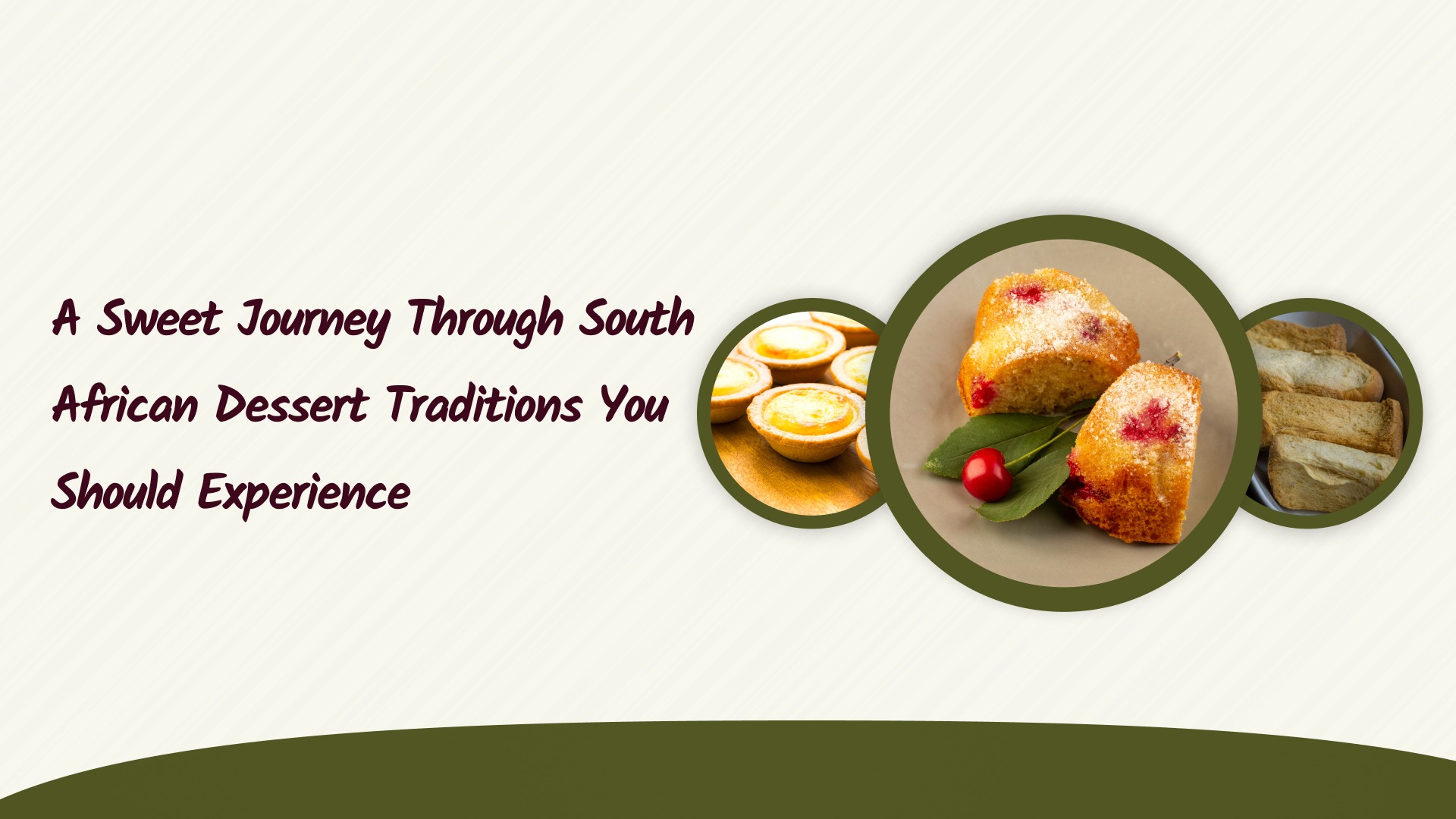
If you would like to get a real taste of South African flavors, you should go for Malva Pudding, Rusk and Milk Tart. Malva pudding south africa is famous for the very soft sponge soaked with a deliciously buttery sauce, which makes it a very comforting dessert. Rusks are biscuits that are baked twice and traditionally served with tea or coffee. Milk Tart, which is made from a silky smooth creamy filling is covered in a light pastry shell and sprinkled with a bit of cinnamon. All of these together highlight the soul of South African food desserts.
A Blend of Culture and Comfort
For centuries, South Africa's traditional sweets have evolved in tandem with the country's rich cultural heritage. Certain recipes that are still beloved today have been shaped by the Dutch, Cape Malay, and local African influences. These classic goodies don't just follow the current dessert trends but rather they celebrate the skill of simple cooking and authentic tastes. Every bite reverberates the country's history and simultaneously gives a comforting, home-made sensation.
Perfect for Every Occasion
South African desserts are perfect for any occasion, whether you have a guest, you're celebrating a holiday, or you're simply craving some sweetness. During cold months, nothing beats warm puddings as a great comfort food, while lighter pastries are just right for afternoon tea sessions. Also, these desserts can be enjoyed daily, as well as on special occasions because they can be paired with a cup of coffee tea, custard, whipped cream, or even ice cream.
Why You Should Try South African Desserts
Delving into South African Food includes more than just tasting the main dishes. The country's sweets feature an exceptional fusion of culture, tastes, and hospitality that hardly any other food traditions can rival. Each dessert's story reflects family, festivities, and ancestral roots, which is why every sweet remains unforgettable. In case you are willing to explore something different from usual confections, incorporating a traditional South African dessert in your menu will be a great way to start. For exposure to genuine tastes and well-loved ones, Lowfeld Soul Food has a delightful variety of South African dessert heritage-themed products that allow one to savor these age-old delicacies everywhere.
Comments
Log in or sign up to join the conversation.