
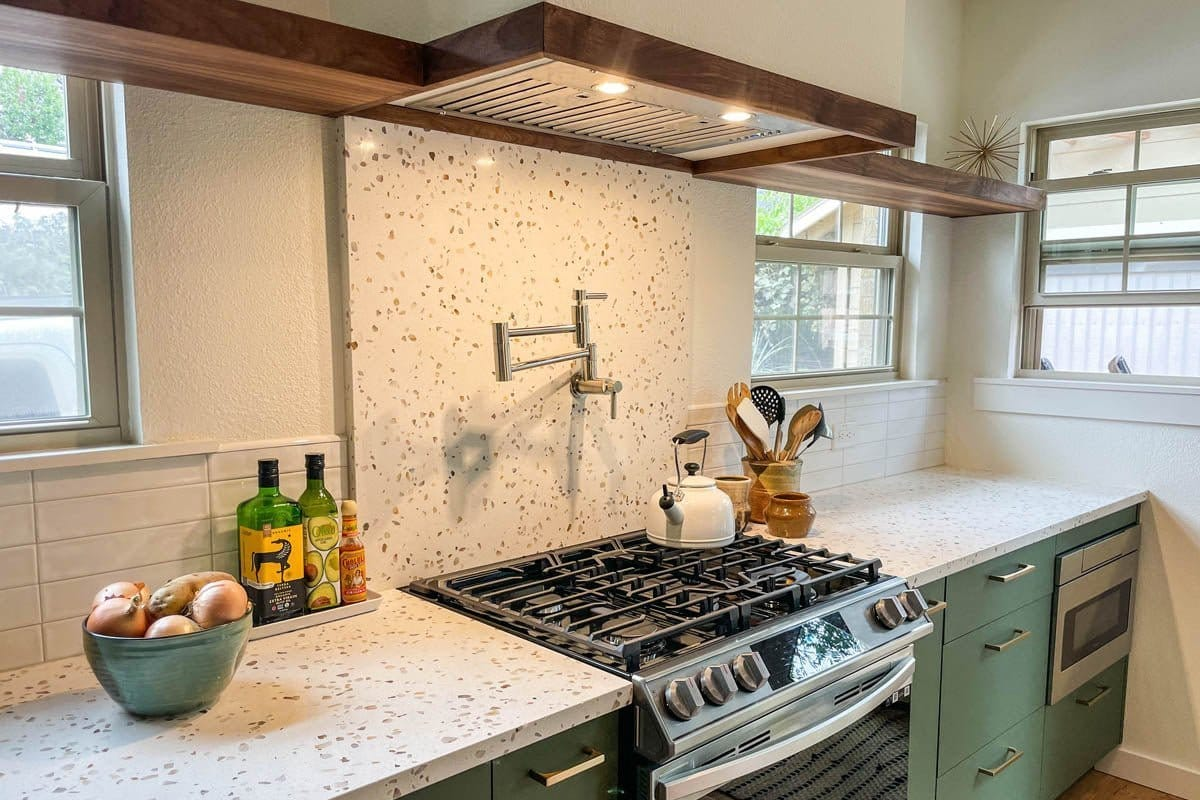
Kitchen renovations often call for ventilation solutions that blend seamlessly into custom cabinetry rather than standing out as a separate appliance. This is exactly what an insert hood 30" unit is designed to do, fitting inside a custom wood or metal enclosure built by a cabinet maker or contractor. Unlike standalone range hoods with fully finished exteriors, insert units function purely as the ventilation mechanism, hidden behind decorative housing that matches the surrounding kitchen design. Understanding how these systems work helps homeowners plan renovations that combine strong performance with a customized aesthetic.
Why Homeowners Choose Insert Units
The main appeal of insert-style ventilation comes down to design flexibility. Since the internal mechanics are concealed within custom cabinetry, homeowners can achieve a completely tailored look that matches their kitchen's cabinetry style, wood tones, or architectural details. This is particularly appealing for kitchens with a cohesive, built-in aesthetic where a standalone stainless steel hood might feel out of place.
Beyond appearance, these units still deliver the ventilation performance needed to clear smoke, grease, and cooking odors effectively. The internal blower and filtration components function the same way as those in fully finished hoods, meaning homeowners don't have to sacrifice performance for style.
Key Specifications to Review
When evaluating an insert hood 30" model, airflow capacity is one of the most important factors to consider. This is typically measured in cubic feet per minute, and the right rating depends on the type and intensity of cooking done on the range below. Kitchens with high-heat cooking or larger cooktops generally benefit from units with stronger airflow ratings to maintain effective air quality.
Filter type also varies between models, with options including baffle filters, which tend to handle grease more effectively, and mesh filters, which are common but may require more frequent cleaning. Reviewing filter maintenance requirements ahead of purchase can help set realistic expectations for ongoing upkeep.
Working with Cabinet Makers and Contractors
Because insert units require custom housing, coordination between the appliance selection and cabinetry design becomes essential. Cabinet makers need accurate specifications for the insert unit early in the design process to ensure the surrounding enclosure is built with proper clearances for airflow, ductwork, and access to filters for cleaning.
It's also important to confirm that the cabinetry design accounts for adequate ventilation space around the unit itself, since insufficient clearance can affect performance or create heat-related issues over time. Working closely with both the appliance supplier and the contractor helps avoid mismatched expectations during installation.
Ductwork and Venting Requirements
Like other range hood types, insert units require proper ductwork to vent air outside the home effectively. Straight, short duct runs generally perform better than long or heavily angled routes, since excessive bends can reduce airflow efficiency. Planning ductwork routes during the early stages of a kitchen renovation helps avoid complications once cabinetry installation begins.
For kitchens where exterior venting isn't feasible, some insert models offer recirculating options that filter air through charcoal filters before releasing it back into the kitchen. While convenient in certain layouts, this option is generally less effective at fully removing odors compared to external venting.
Noise and Performance Balance
Multi-speed fan settings are common in insert hood 30" allowing users to adjust airflow intensity based on cooking needs. Higher settings provide stronger ventilation during heavy cooking sessions, while lower settings offer quieter operation for lighter use. Reviewing noise ratings, often measured in sones, can help set expectations for how the unit will perform during everyday cooking.
Conclusion
Choosing the right ventilation solution for a custom kitchen build involves balancing performance, design integration, and proper coordination with cabinetry plans. A 30 " insert hood offers a practical way to achieve strong airflow performance while maintaining a fully custom kitchen aesthetic. Before finalizing your renovation plans, understanding how to measure for an insert range hood ensures the unit fits precisely within its custom enclosure, avoiding costly adjustments once installation begins.
Comments
Log in or sign up to join the conversation.