

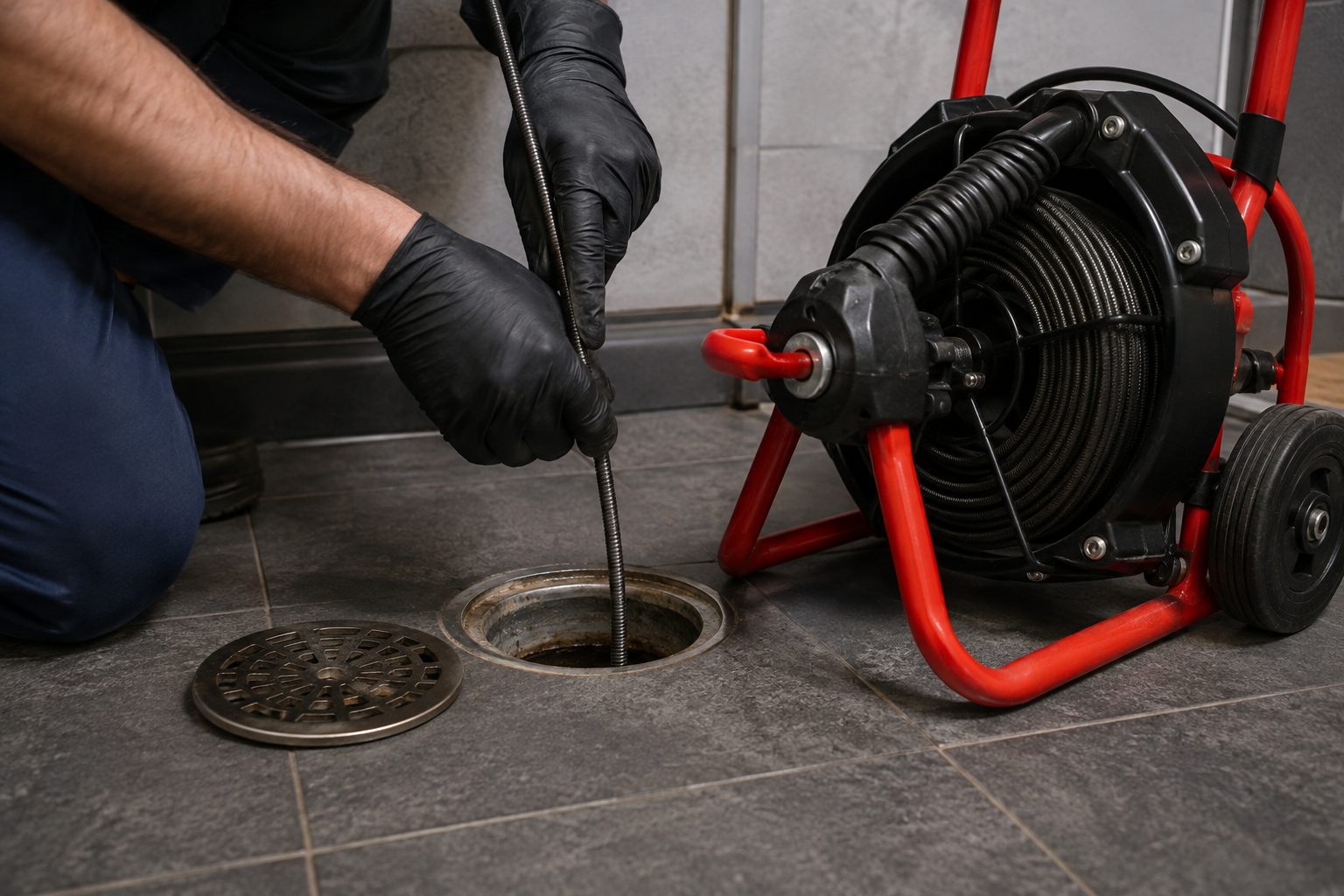
Drain problems usually start off quietly before they turn into an actual headache. A drain cleaning service Teaneck can clear out the buildup before a small issue turns into an expensive plumbing problem.
So how do you know when it's time to call someone? Slow water, clogs that keep coming back, bad smells, gurgling noises, and backups are all things worth paying attention to.
Why Do Drains Get Clogged in the First Place?
Hair, grease, soap scum, bits of food, and other junk build up little by little and start slowing things down.
Some clogs form right near the drain opening, while others build up deeper inside the pipes. Figuring out which one you're dealing with helps decide the best way to clear it.
1. Water Drains Slower Than Usual
Slow drainage is usually the first sign that a clog is forming. Water might take a lot longer to disappear from your sink, tub, or shower.
Don't ignore it just because the water is still going down eventually. A partial clog can turn into a full blockage if you leave it alone too long.
2. Your Drains Keep Clogging Up
One clog now and then isn't a huge deal. But if the same drain keeps clogging over and over, something is repeatedly getting in the way of the water.
A plunger might fix it for a little while. But if the problem keeps coming back, professional cleaning can clear out whatever's stuck deeper in the pipe.
3. Your Drains Smell Bad
A nasty smell coming from your drain usually means something's trapped in there and rotting. Grease, food scraps, hair, and other buildup gunk block the drain.
Cleaning the drain actually gets rid of the smell instead of just covering it up. If the smell keeps coming back, it might be worth having a plumber take a look for something deeper.
4. Your Drains Make Gurgling Noises
Gurgling usually means air is having trouble moving through your pipes the way it should. That normally happens when something is partly blocking the water flow.
Pay attention if you hear the gurgling after flushing the toilet or running water somewhere. If it's happening in more than one spot, the blockage might be further down the line.
5. Water Shows Up in a Different Sink or Tub
If water starts backing up into a totally different fixture, that's a red flag. It usually means the wastewater is hitting a blockage somewhere in the connected pipes.
For example, running your washing machine might make water rise up in a nearby drain. Don't brush that off — it usually means the clog is deeper than it looks.
6. A Drain Gets Completely Blocked
Once a drain is fully blocked, water has nowhere to go. If you keep using it anyway, you're risking an overflow and possible damage to your home.
Don't try to force more water down it. A plumber can figure out exactly where the blockage is and use the right tools to clear it out.
7. Several Drains Start Slowing Down at Once
If a bunch of drains are all acting slow around the same time, the problem is probably bigger than just one fixture. That usually points to a blockage somewhere in your main drainage system.
Multiple slow drains deserve a real look, especially if you're also noticing bad smells or weird noises. Getting it cleaned early can help you avoid a much bigger backup down the road.
What Actually Causes These Clogs?
Knowing what usually causes clogs can help you avoid dealing with the same issue over and over.
Common culprits:
Hair collecting in bathroom drains
Grease and oil sticking to kitchen pipes
Food scraps going down the kitchen sink
Soap scum building up in bathroom plumbing
Random objects accidentally falling into drains
Mineral buildup narrowing older pipes
Even small amounts of this stuff can pile up over time. Staying on top of it, plus getting the occasional professional cleaning, keeps the water flowing the way it should.
Professional Cleaning Can Stop Bigger Problems Before They Start
A professional drain cleaning gets rid of buildup that a plunger can't reach. The right tools can restore proper flow and cut down on how often clogs come back.
123 Sewer and Drain handles plumbing and drainage issues for homeowners. Getting problems checked out early can save you from dealing with inconvenient backups and pricier repairs later.
How Do You Keep Your Drains Clear?
Building a few good habits can cut down on how much junk ends up in your pipes in the first place. That said, prevention alone won't fix things once real buildup has already formed — that's when you need an actual cleaning.
A few things that help:
Never pour cooking grease down your sink
Don't flush stuff down the toilet that isn't supposed to be flushed
Clean out removable drain covers regularly
Deal with slow drainage before it turns into a full clog
Get a professional cleaning if the same problem keeps repeating
These habits help keep things running smoothly in between professional visits. They also make it easier to notice when something's off before it turns into a real blockage.
Final Thoughts
Your drains usually give you a heads-up before things get really bad. Slow water, clogs that keep coming back, bad smells, gurgling, and backups are all signs worth paying attention to.
If these problems keep showing up, it's probably time to schedule a drain cleaning service in Teaneck to get things flowing properly again. A little professional attention now can save your plumbing system — and your sanity — down the road.
Comments
Log in or sign up to join the conversation.