

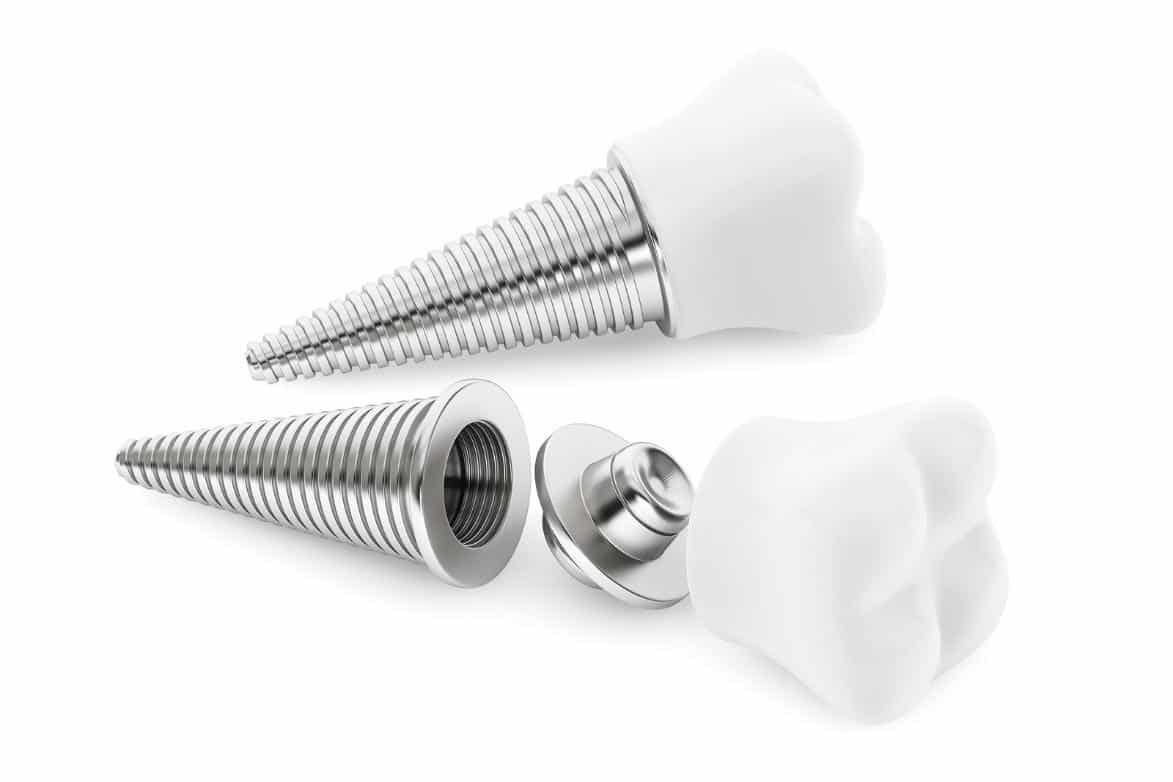
Missing or damaged teeth can affect much more than your smile. They can make eating, speaking, and socializing uncomfortable. Many people ignore early warning signs until problems become harder to treat. Knowing what to look for early can save you time, money, and discomfort. If you are recently noticing subtle changes in your oral health, it may be time to consider dental implants in Orlando. This is an important decision for you to make, as it can impact your confidence and comfort throughout life.
Common Signs You Should Not Ignore
Your teeth and gums often send warning signals before a bigger issue develops over time. Paying close attention to these changes can help you catch problems early and avoid more invasive treatment or costly procedures later on.
Persistent tooth pain or sensitivity that does not go away with home remedies or over-the-counter treatments
Loose or shifting teeth that affect your bite and cause daily discomfort
Missing teeth causing difficulty chewing certain foods or speaking clearly to others
Gum recession or noticeable changes in gum color, texture, or overall health
Ill-fitting dentures that slip, click, or cause daily irritation and embarrassment
Have Questions About Dental Implants? Let's Clear Them Up!
Choosing dental implants in Orlando is a big decision, and it is completely normal to have questions along the way. Below, we answer some of the most common concerns patients bring up before starting treatment with our team.
1. How do I know if I am a good candidate for dental implants?
Most adults with good general health and adequate jawbone density are candidates for implants. Your dentist will evaluate your gum health, bone structure, and overall medical history before recommending the right treatment plan for your specific case and long-term goals.
During a consultation, imaging and thorough exams help determine the best possible approach for your smile and overall dental health. If bone loss is present, additional procedures like bone grafting may be suggested first to support long term implant success and lasting stability for years to come.
2. Are dental implants painful?
Most patients report only mild discomfort rather than significant pain during recovery from the procedure. Local anesthesia is used throughout treatment, and any soreness afterwards is typically managed easily with over-the-counter pain relievers as needed.
Swelling and tenderness usually subside within a few days after treatment is complete. Following your dentist's aftercare instructions closely helps reduce discomfort and supports faster, smoother healing so you can return to your normal daily activities and routine sooner rather than later.
3. How long does the implant process take?
The full process can take several months from start to finish, depending on your individual needs, oral health, and overall treatment plan. This timeline allows the implant to properly fuse with the jawbone, a process known as osseointegration, before the final restoration is placed on top.
Simple cases may move faster, while cases requiring bone grafting or extractions understandably take longer to complete safely. Your dentist will give you a personalized timeline based on your specific needs and overall healing progress along the way.
4. How long do dental implants last?
With proper care, dental implants can last twenty years or longer, and many last a lifetime with the right ongoing maintenance and regular dental visits. They are designed to be a permanent, durable solution for missing teeth and everyday use.
Good oral hygiene, regular dental visits, and avoiding habits like smoking all contribute significantly to implant longevity over the years. Routine checkups allow your dentist to monitor implant health closely and catch any small issues early before they grow into bigger problems.
5. Will dental implants look natural?
Yes, implants are custom-designed to closely match the size, shape, and natural color of your surrounding teeth. Most people cannot tell the difference between a dental implant and a natural tooth during everyday conversation or a smile.
The crown placed on top of the implant is carefully crafted for a seamless, realistic appearance that blends in well. This attention to detail helps restore both function and confidence in your smile for years ahead.
6. How much do dental implants cost?
Implant cost varies depending on the number of teeth being replaced and whether additional procedures are needed beforehand to prepare the site. A consultation provides the most accurate estimate for your specific situation and overall treatment goals.
Many dental offices offer financing options and flexible payment plans to make treatment more affordable and manageable for patients. Discussing payment plans upfront with our friendly team can help you budget comfortably for this important investment in your long-term oral health and overall wellbeing.
Conclusion
If you are experiencing any of these signs, do not wait to seek care. Early treatment can prevent complications and restore confidence in your smile. The team at Mosaic Dental Center helps patients in Orlando find the right solution for their needs. Whether you need a single implant or full smile restoration, we guide you through every step. Schedule a consultation today and take the first step toward a healthier smile.
Comments
Log in or sign up to join the conversation.