

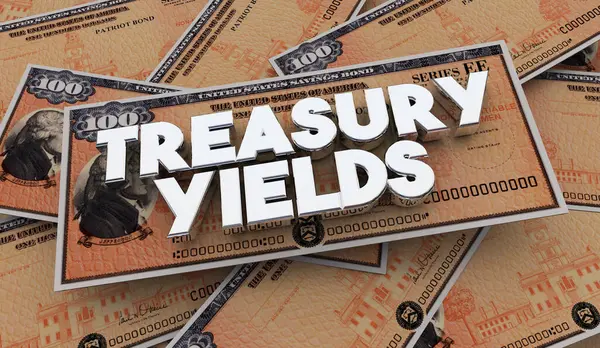
There are 7 reasons to believe long-term interest rates are headed much higher. Of course, there are the obvious conditions of insolvency and inflation. After all, any nation that has $40 trillion in debt (123% of GDP and 720% of revenue), $2 trillion annual deficits, annual interest payments of $1.2 trillion (20% of revenue), and has been losing the battle with inflation for over 5 years must offer much higher interest rates to attract new investors. Markets always win in the end; artificial government manipulations are palliative measures that only exacerbate the problem and delay the inevitable.
But there are 5 other reasons to eschew Treasury bonds other than our inability to fulfill our debt obligations and get a handle on inflation.
First, there is a general mistrust among other nations toward parking their currency reserves in Treasuries. Sanctions, confiscations, and threats to freeze assets have led foreign investors to move away from dollar-denominated US debt. There has also been a reduction in trade with the US, which has simply led to a reduced foreign trade surplus that needs to find a home in Treasuries.
Second, New Chair Kevin Warsh has attenuated the growth rate of the Fed’s balance sheet. Meaning, our central bank is buying less Treasury debt. More supply and less demand for bonds leads to lower prices and higher yields.
Third, Japan’s cascading Yen has led the BOJ to sell Treasuries and dollars in an effort to support the currency. Japan is the largest holder of US debt and may need to sell its $ 1 trillion hoard regularly until the FX situation stabilizes.
Fourth, the US savings rate is just 3%. There just isn’t enough money to fund both the trillions of dollars in Treasury deficits and rollovers, and also fund the avalanche of AI debt issuance.
And fifth, the global yield anchors found in Japan and Germany are gone. The Bank of Japan held Japanese Government Bonds near 0% from 2015 to 2024. Likewise, the German Bund hovered near zero percent from 2015 to 2022. However, the Japanese 10-year note now yields 3%, and the German Benchmark rate is 3.4%. Therefore, the global bond bubble is bursting, which means the spread between Treasury rates and the rates offered in foreign nations is closing. There is more local competition for investors to purchase domestic debt rather than Treasuries — especially when factoring in currency hedges.
Those are the reasons why Treasury Secretary Scott Bessent is panicking. It is why he is trying to cajole the Japanese to stop selling Treasuries by intervening in the FX market to help stabilize the Yen. And why he’s proposing to drain the Treasury General Account to buy long-term bonds, while also threatening to perform operation twist (selling more T-bills to purchase longer duration bonds).
However, despite his efforts, there still should be relentless upward pressure on bond yields until the US addresses its fiscal and monetary problems. Indeed, getting its expenditures and receipts in balance would go a long way in fixing the inflation issue as well. Regrettably, that is going to be very difficult to accomplish with now only about 25% of the entire US budget being discretionary spending.
Most people believe that a recession would substantially lower long-term rates. But that probably will not occur because our annual deficits could begin to rise from $2 trillion to $6 trillion once the economy contracts. There just won’t be enough savings to meet the tsunami of bond issuance without immediate, massive central bank intervention. And that amount of money printing would have a humongous negative impact on the USD, which underpins our Treasury debt.
A recession has a very high probability of occurring between now and the end of 2027. The Fed’s long-overdue battle with inflation has begun under Chair Kevin Warsh. That means some combination of higher short-term rates, a smaller balance sheet, along with a reduced amount of bank reserves. Meanwhile, long-term interest rates continue to rise due to the 7 reasons elaborated in this commentary. Rising interest rates, along with a reduction in the Fed’s balance sheet, are a devastating blow to the asset bubbles that exist on Wall Street. 80% of consumers have been in a recession for several years — after the COVID stimulus ran out and inflation persisted. The reverse wealth effect from falling real estate and equity prices will bring the top 20% down as well. These issues should come to the fore in the next few quarters. The long-awaited great asset price reconciliation is finally about to arrive.

Comments
Log in or sign up to join the conversation.