

7 Reasons In-Home Dog Boarding Beats Traditional Kennels
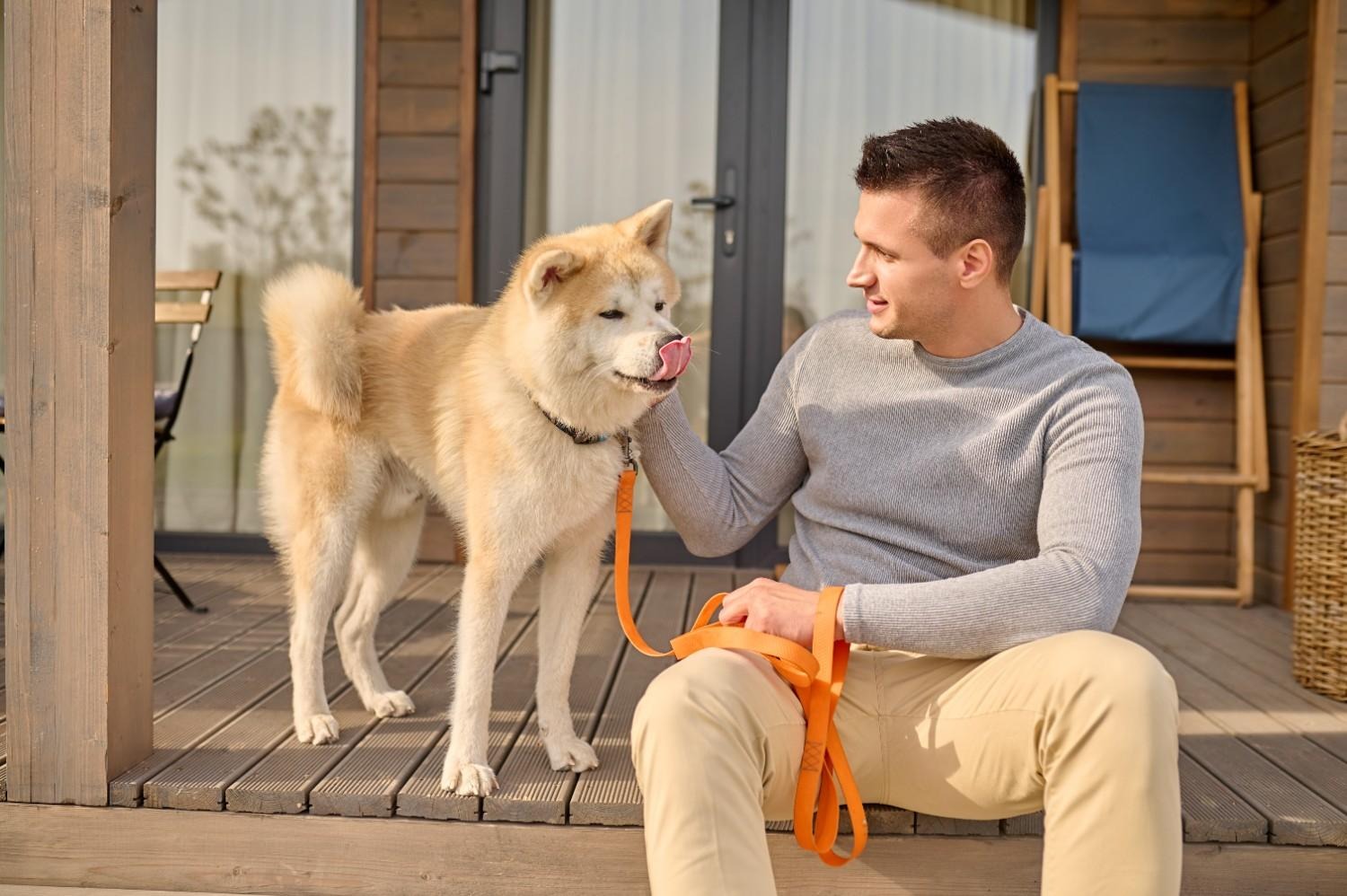
Your dog deserves better than a concrete run and fluorescent lights. In-home dog boarding offers exactly that. If you've ever picked up your pup from a traditional kennel and noticed they seemed off, stressed, or overly clingy for days afterward, you're not imagining things.
According to a 2024 survey by the American Pet Products Association (APPA), 78% of dog owners reported concerns about their pet's stress levels during traditional kennel boarding. That number keeps climbing as pet parents learn more about how boarding environments affect their dogs.
The good news? Traverse City dog parents have options that go beyond the standard kennel setup. In-home dog boarding has gained serious traction in Northern Michigan, and for good reason. Here are seven reasons why it's winning over pet parents across Grand Traverse County.
7 Key Reasons to Choose In-Home Dog Boarding in Traverse City
1. Your Dog Stays in a Real Home
The single biggest advantage of in-home boarding is exactly what it sounds like. Your dog stays in someone's actual house. They sleep on real furniture, walk on carpet and hardwood floors, and live in a space that smells, sounds, and feels like a home.
"The environmental enrichment of a home setting, including varied textures, sounds, and human interaction, significantly reduces cortisol levels in boarded dogs," says Dr. Nicholas Dodman, Professor Emeritus of Animal Behavior at Tufts University.
Traditional kennels, even well-maintained ones, are designed for efficiency. In-home boarding is designed for comfort.
2. One-on-One Attention All Day
In a kennel, staff rotate shifts. Your dog might interact with three or four different people during a single stay. In-home boarding typically means one person, consistently, for the entire visit.
That consistency matters. According to research published in the journal Applied Animal Behaviour Science (2023), dogs showed significantly lower stress markers when cared for by a single familiar caretaker compared to rotating staff members.
In-home boarding attention: Your dog gets dedicated, personal care from the same person who greeted them on day one.
3. No Mandatory Crating
Most kennels require dogs to be in runs or crates for set periods throughout the day and overnight. In-home boarding flips that script. Dogs roam freely through the house, curl up on the couch, and choose where they want to rest.
For dogs that associate crates with negative experiences, this alone can be the deciding factor.
4. A Fenced Yard Instead of a Concrete Run
Outdoor time in a kennel usually means a small concrete exercise area or a brief leashed walk. In-home boarding providers in Traverse City often have spacious, fenced-in yards where dogs can actually run, explore, and play.
Think about the difference between a 10-by-10 concrete run and a backyard the size of a dog park. Your pup knows which one they'd pick.
5. Routines That Match Home Life
Dogs thrive on routine. Feeding times, walk schedules, bathroom breaks, bedtime. In-home boarding providers can mirror your dog's existing schedule far more closely than a facility that operates on a fixed, one-size-fits-all timetable.
"Dogs are creatures of habit," says Dr. Mary Burch, Director of the AKC's Canine Good Citizen program. "Disruptions to their daily routine are one of the primary sources of stress during boarding."
When your in-home boarder feeds your dog at the same time, walks them on a similar schedule, and follows the same bedtime routine, the transition feels natural rather than jarring.
6. Daily Photo and Video Updates
This one is more for you than your dog, but it matters. Many in-home boarding providers send daily photo and video updates so you can see your pup playing, napping, or just hanging out.
According to a 2025 survey by Rover.com, 91% of pet parents said receiving visual updates during their dog's boarding stay significantly reduced their own anxiety about being away.
Most kennels offer periodic updates at best. In-home boarders make it a standard part of the service.
7. Less Exposure to Illness
Kennel cough. Canine influenza. Intestinal parasites. Traditional boarding facilities house many dogs in close quarters, increasing the risk of disease transmission. The American Veterinary Medical Association (AVMA) identifies group housing as a significant risk factor for infectious disease spread among dogs.
In-home boarding limits the number of dogs in the environment at any given time, reducing exposure to contagious illnesses. Fewer dogs means fewer germs.
Is In-Home Dog Boarding Right for Every Dog?
In-home boarding works well for most dogs, but it's especially ideal for:
Anxious dogs who struggle in unfamiliar, busy environments
Senior dogs who need a calm, comfortable setting
Dogs on medication who need consistent, attentive care
Social dogs who thrive on human companionship
First-time boarders who need a gentle introduction
Some highly social dogs who love playing with packs of other dogs might prefer a daycare-style facility. But for the majority of dogs in Traverse City, a home environment provides the lowest-stress boarding experience.
Experience Personalized Dog Boarding with TC Tails
If in-home boarding sounds like the right fit for your pup, TC Tails in Traverse City offers exactly this kind of care. With over 20 years of animal care experience, first-aid and CPR certification, and a massive fenced-in yard, TC Tails provides a home-away-from-home experience for dogs of all sizes and temperaments.
Every stay includes daily photo and video updates, no mandatory crating, and a free meet-and-greet so your dog can get comfortable before their first visit. Book a meet-and-greet today or text 231-499-4048.
Conclusion
The shift from traditional kennels to in-home dog boarding isn't a passing trend. It's pet parents making smarter choices based on what actually works for their dogs. A home environment, consistent caretaker, fenced yard, flexible routines, and daily updates add up to less stress for your pup and more peace of mind for you.
Traverse City has great options on both sides. But if your dog does better in a calm, home-like setting with personalized attention, in-home boarding is worth every penny.
FAQs
Is in-home dog boarding more expensive than a kennel?
In-home boarding in Traverse City typically costs $40 to $65 per night, compared to $35 to $55 for traditional kennels. The price difference is modest, and many pet parents find the reduced stress and personalized care worth the slightly higher cost. Some in-home providers also offer multi-night discounts.
Is it stressful for a dog to be boarded?
Boarding can be stressful, but the environment makes a significant difference. A 2024 study in the Journal of Veterinary Behavior found that dogs in home-like boarding settings showed 40% fewer stress behaviors than dogs in traditional kennels. Choosing in-home boarding, maintaining routines, and doing a meet-and-greet beforehand all help reduce stress.
How do I prepare my dog for in-home boarding?
Start with a meet-and-greet so your dog can explore the space and meet the caretaker. Pack their regular food, any medications, and a familiar blanket or toy. Share your dog's daily routine, including feeding times, walk schedules, and any quirks or preferences. The more information you provide, the smoother the transition.
Do dogs miss their owners when they are boarded?
Dogs do notice when their families are away, but they adapt quickly in comfortable environments. Research from Arizona State University's Canine Science Collaboratory shows that dogs adjust fastest when they have consistent routines, a calm setting, and attentive human interaction. Daily updates help pet parents feel connected too.
What should I look for in an in-home dog boarding provider?
Look for experience (years working with dogs, not just pet ownership), certifications (first-aid, CPR), a secure fenced yard, references or reviews, a meet-and-greet policy, daily update communication, and a clear emergency plan. The best providers welcome questions and are transparent about how they operate.
Comments
Log in or sign up to join the conversation.