

Construction projects in Saudi Arabia often involve excavation, earthmoving, lifting, grading, and material handling. Choosing the right machinery can affect the speed and safety of each task. A reliable Heavy Equipment Rental Company in Saudi Arabia can help contractors access suitable machines for different project stages. For excavation work, Excavator Rental in Saudi Arabia can provide the right equipment for trenching, foundation work, land preparation, and bulk earthmoving.
The challenge is not simply finding a machine. Contractors must match equipment with the site, workload, soil, access conditions, and project schedule. A practical equipment plan can prevent delays and help teams use machinery more efficiently.
1. Start With the Type of Construction Work
Every project has different equipment requirements. Site preparation may involve clearing, grading, and moving soil. Foundation work may require precise excavation. Road projects may need excavation, compaction, loading, and material transport.
Before renting equipment, project managers should list the main tasks. They should also identify which tasks will run at the same time. This approach helps create a balanced equipment plan.
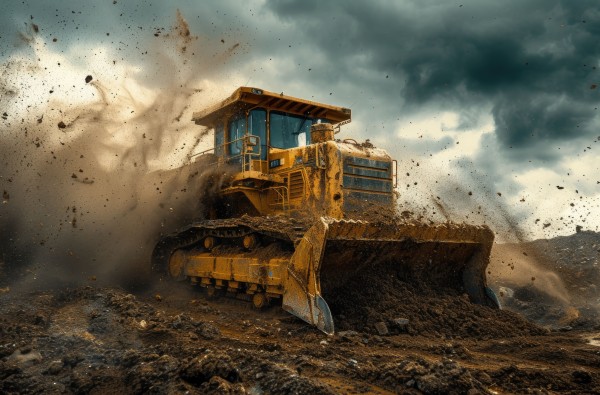
For example, an excavator may handle digging while dump trucks move the excavated material. A bulldozer may prepare or level the ground. A compactor may then prepare the surface for the next construction stage.
The equipment should support the workflow rather than operate as separate units.
2. Match the Excavator to the Excavation Work
Excavators are widely used for construction and earthmoving. However, the largest machine is not always the best choice.
The project team should first determine the required digging depth, reach, working radius, and material volume. Site access also matters. A compact excavator may work better in a restricted area, while a larger tracked excavator may suit major earthmoving operations.
With Excavator Rental in Saudi Arabia, contractors can select equipment based on the actual scope of work. They can also consider the rental period instead of purchasing a machine for a temporary requirement.
The attachment also matters. Different excavation tasks may require different bucket types or other attachments. The selected attachment should match the material and the work being performed.
3. Consider Soil and Ground Conditions
Soil conditions can change how equipment performs on a construction site. Loose soil, compacted ground, rocky material, and mixed ground can create different operating challenges.
Before excavation begins, the project team should assess the soil and ground conditions. They should also check the planned excavation depth and nearby structures.
Saudi occupational safety guidance highlights factors such as excavation depth, soil type, nearby structures, water levels, and underground utilities when planning excavation work.
This information can help contractors select equipment with suitable capacity, stability, and attachments.
4. Check Site Access Before Equipment Delivery
A machine may have enough capacity for the job but still create problems if it cannot reach the work area.
Project managers should check the site entrance, internal roads, turning areas, overhead restrictions, and available working space. They should also consider the ground conditions along the equipment route.
This step becomes especially important on urban sites and industrial facilities. Restricted access may require smaller equipment or a different approach to equipment positioning.
Good access planning also makes transportation easier. It can reduce unnecessary equipment movement once the machine reaches the site.
5. Calculate Equipment Capacity and Support Needs
Equipment selection should consider the complete work cycle. An excavator that fills a dump truck quickly may still lose productivity if there are not enough trucks available.
Contractors should therefore consider the capacity and working speed of supporting equipment. The same principle applies to lifting and material-handling operations.
A boom truck can support certain lifting and transport tasks where a truck-mounted solution suits the site. For heavier lifting requirements, a rough terrain mobile crane may be appropriate when the ground and lifting conditions allow it.
The goal is to create an equipment combination that works together. One oversized machine does not automatically improve productivity.
6. Plan Around the Project Duration
Rental duration should match the project schedule. Short excavation phases may only require equipment for a few days or weeks. Larger construction projects may need machines for several months.
A Heavy Equipment Rental Company in Saudi Arabia can provide different rental arrangements based on project requirements. Contractors should confirm the rental period, operating hours, transportation arrangements, operator requirements, and extension terms before the equipment arrives.
Project managers should also allow some flexibility. Construction schedules can change because of weather, site preparation, material delivery, or other activities. Early communication with the rental provider can make extensions easier to manage.
7. Review Transportation and Operating Conditions
Heavy equipment requires proper transportation planning. Contractors should consider machine dimensions, weight, delivery routes, and site access before scheduling mobilisation.
Operating conditions also matter. Saudi construction sites can expose machinery to heat, dust, and demanding outdoor conditions. Operators should follow the manufacturer's operating instructions and complete the required equipment checks.
Safety should remain part of the equipment selection process. Saudi occupational safety requirements place responsibility on employers to protect workers from hazards associated with machinery and work activities.
Equipment should therefore be suitable for the task and operated by properly trained personnel.
Build an Equipment Plan Before the Work Starts
A good equipment plan connects each construction activity with the machine required to complete it. Contractors should avoid choosing machinery based only on availability or size.
Instead, they should review:
Project type and work sequence
Excavation depth and material volume
Soil and ground conditions
Site access and working space
Equipment capacity
Supporting machinery
Rental duration
Transportation requirements
Operator and safety requirements
This checklist can help project managers identify equipment gaps before work begins.
For contractors who need several types of machinery, working with one Heavy Equipment Rental Company in Saudi Arabia can also simplify equipment coordination. Makcon provides heavy equipment rental solutions covering earthmoving, lifting, transport, and other project requirements. Its equipment rental service includes options for different project durations and equipment needs.
Why Equipment Selection Matters in Earthmoving
Earthmoving work often involves several connected activities. Excavation, loading, transportation, grading, and compaction must work together to maintain progress.
For example, an excavator can dig and load material, while dump trucks transport it to the required location. Additional machines can then prepare the next work area. When the equipment matches the work sequence, crews can reduce idle time and keep the site organised.
The same principle applies to lifting operations. Contractors should select crane capacity based on the load, lifting radius, ground conditions, and site layout. For suitable applications, mobile crane rental Saudi Arabia services can provide access to lifting equipment without requiring contractors to maintain their own crane fleet.
Choosing Equipment With the Project in Mind
Heavy equipment selection should always begin with the project requirements. Contractors need to understand the work, site conditions, equipment capacity, access restrictions, and expected rental period before choosing machinery.
Makcon provides heavy equipment rental services for construction and industrial requirements in Saudi Arabia. Contractors can review its equipment options and match their requirements with suitable machinery.
A well-planned rental strategy can make equipment mobilisation more organised and help project teams avoid unsuitable machinery. When contractors combine proper planning with the right equipment, they can approach excavation and earthmoving work with greater control.
For projects that require flexible machinery access, a Heavy Equipment Rental Company in Saudi Arabia can support different stages of construction. Likewise, Excavator Rental in Saudi Arabia can provide practical equipment access for excavation, trenching, foundation work, and earthmoving. The right choice starts with understanding the site and selecting equipment that fits the job.
Comments
Log in or sign up to join the conversation.