

Best CNC Tool Care Tips to Reduce Wear and Increase Efficiency
In modern manufacturing, a CNC tool plays a crucial role in ensuring precision, efficiency, and productivity. Whether you are machining metal, plastic, or composite materials, the condition of your cutting tools directly affects the quality of the finished product. Many machining issues such as poor surface finish, dimensional inaccuracies, and unexpected tool breakage often result from inadequate maintenance practices.
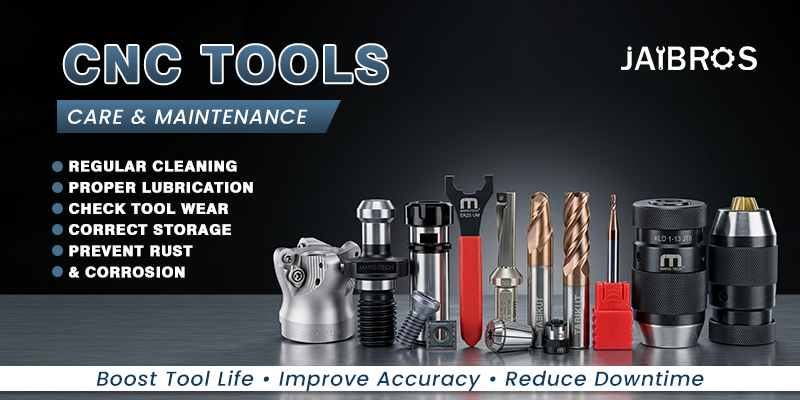
Proper tool maintenance is not only about extending tool life; it also helps reduce downtime, lower production costs, and improve overall machining performance. Operators who follow a regular maintenance routine can maximize the efficiency of their equipment and maintain consistent machining results.
This guide covers seven essential maintenance tips that every CNC operator should follow to keep cutting tools in optimal condition and ensure reliable machining performance.
Why CNC Tool Maintenance Matters
Every cutting operation generates heat, friction, and wear. Over time, these factors gradually degrade tool performance. If tools are not maintained properly, manufacturers may experience:
Reduced machining accuracy
Increased tool replacement costs
Poor surface finish
Higher machine downtime
Lower production efficiency
A well-maintained cnc tool helps maintain precision while improving productivity and operational reliability.
1. Inspect Tools Before Every Machining Operation
One of the simplest yet most effective maintenance practices is conducting a visual inspection before using any cutting tool.
Operators should check for:
Chipped cutting edges
Cracks
Excessive wear
Built-up material deposits
Corrosion
Even minor damage can negatively affect machining quality and lead to premature failure during operation.
Regular inspections help identify potential problems early and prevent costly production interruptions.
2. Keep Tools Clean After Every Use
Metal chips, coolant residue, and dirt can accumulate on cutting tools after machining operations.
Cleaning tools regularly helps:
Maintain cutting efficiency
Prevent corrosion
Improve tool accuracy
Extend service life
After each machining cycle:
Remove chips carefully
Wipe away coolant residue
Use suitable cleaning solutions
Store tools in a clean environment
A clean cnc tool performs more efficiently and remains in good condition for a longer period.
3. Monitor Tool Wear Consistently
Tool wear is a natural part of machining, but excessive wear can significantly affect production quality.
Common signs of wear include:
Poor surface finish
Increased cutting forces
Higher temperatures
Burr formation
Reduced dimensional accuracy
Operators should establish a tool monitoring schedule to identify wear patterns and determine the ideal replacement interval.
Modern CNC systems often include tool monitoring features that help track tool condition and prevent unexpected failures.
4. Use Proper Tool Storage Methods
Improper storage can damage cutting edges and reduce tool life.
Best storage practices include:
Using dedicated tool holders
Keeping tools separated
Protecting cutting edges
Avoiding humid environments
Labeling tools correctly
Many workshops invest in specialized storage systems to protect expensive tooling assets.
This is especially important for precision cutting tools and high-performance carbide tool products that require extra care.
5. Maintain Correct Cutting Parameters
Incorrect speeds and feeds are one of the leading causes of premature tool failure.
Operators should always follow manufacturer recommendations regarding:
Cutting speed
Feed rate
Depth of cut
Coolant application
Excessive cutting forces can damage both the tool and the machine.
Using proper machining parameters allows the CNC machine tool to operate efficiently while reducing unnecessary stress on cutting tools.
6. Ensure Proper Coolant Usage
Coolant plays a critical role in reducing heat and friction during machining operations.
Benefits of proper coolant application include:
Lower cutting temperatures
Improved chip evacuation
Reduced tool wear
Better surface finish
Longer tool life
Operators should regularly inspect coolant systems to ensure adequate flow and concentration levels.
Insufficient cooling can cause thermal damage and significantly reduce cutting performance.
7. Maintain Tool Holders and Machine Components
Even the highest-quality cutting tool cannot perform properly if the holder or spindle is damaged.
Regular maintenance should include inspection of:
Tool holders
Collets
Spindles
Clamping systems
Machine interfaces
Poor tool holding can lead to:
Excessive vibration
Runout issues
Inaccurate machining
Premature wear
A properly maintained cnc tool system includes not only the cutting tool itself but also every component involved in the machining process.
Benefits of Regular Tool Maintenance
A structured maintenance program provides several long-term advantages.
Improved Tool Life
Routine care helps tools remain sharp and effective for longer periods.
Better Product Quality
Well-maintained tools produce more accurate parts with superior surface finishes.
Reduced Downtime
Preventive maintenance reduces unexpected tool failures and machine stoppages.
Lower Production Costs
Extending tool life lowers replacement expenses and improves profitability.
Increased Productivity
Operators can maintain consistent machining performance without frequent interruptions.
Common Maintenance Mistakes to Avoid
Many operators unknowingly reduce tool life through poor maintenance practices.
Common mistakes include:
Ignoring wear signs
Using damaged tools
Improper storage
Incorrect cutting parameters
Skipping regular inspections
Poor coolant management
Avoiding these mistakes can significantly improve machining efficiency and reduce operating costs.
The Growing Importance of CNC Tools in India
Manufacturing industries continue to expand rapidly, increasing demand for advanced machining solutions and high-quality tooling products.
Today, the market for cnc tool in india is growing across sectors such as:
Automotive manufacturing
Aerospace engineering
Medical device production
Industrial equipment manufacturing
Precision engineering
As industries adopt advanced machining technologies, proper maintenance practices become even more important for maintaining productivity and competitiveness.
Future Trends in CNC Tool Maintenance
Modern manufacturing is increasingly adopting smart maintenance technologies.
Emerging trends include:
AI-based tool monitoring
Predictive maintenance systems
Digital wear analysis
Automated inspection technologies
Real-time performance tracking
These innovations help manufacturers detect issues before they become serious problems, improving overall operational efficiency.
Conclusion
Tool maintenance is a critical aspect of successful machining operations. Regular inspections, proper cleaning, correct storage, coolant management, and maintaining optimal cutting parameters all contribute to longer tool life and better machining performance.
By implementing these seven maintenance tips, operators can reduce downtime, improve part quality, and maximize the return on tooling investments. As manufacturing technology continues to evolve, maintaining both the cutting tool and the CNC machine itself will remain essential for achieving reliable and efficient production.
About Jaibros
Jaibros is a trusted supplier of industrial cutting tools and machining solutions in India. The company offers a wide range of CNC tooling products, precision measuring instruments, workholding solutions, and industrial accessories designed to meet the needs of modern manufacturing industries. With a focus on quality and performance, Jaibros helps businesses achieve greater productivity and machining efficiency.
FAQs
1. Why is CNC tool maintenance important?
Proper maintenance improves tool life, machining accuracy, productivity, and overall manufacturing efficiency.
2. How often should CNC tools be inspected?
Tools should be inspected before every machining operation and monitored regularly for wear and damage.
3. What causes premature tool failure?
Incorrect cutting parameters, poor coolant application, improper storage, and excessive wear are common causes.
4. How can coolant improve tool life?
Coolant reduces heat and friction, improves chip removal, and minimizes tool wear during machining.
5. What is the biggest benefit of preventive maintenance?
Preventive maintenance reduces downtime, lowers operating costs, and ensures consistent machining performance.
Comments
Log in or sign up to join the conversation.