

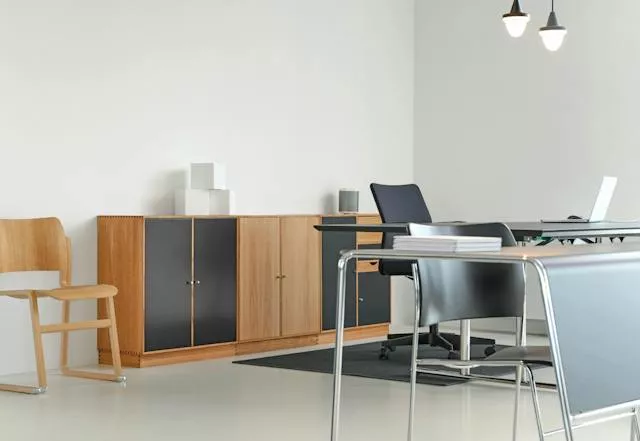
Getting the right office space requires much attention as the space influences everyday life, job productivity, customer accessibility, and the company's general direction. Picking an office that caters to your needs is essential in guaranteeing success, but with so many variables to consider, it's easy to get overwhelmed. Here are six tips to ensure you pick the best commercial office space.
-
Location Matters
The location of your office should be easily accessible to your employees, clients, and suppliers. A central location often comes with higher rent, but the added convenience may be worth it. Consider proximity to public transportation, parking facilities, restaurants, and other amenities your team might need. Also, think about the safety of the neighborhood. An office located in a safe, well-lit area can make employees feel more comfortable, especially if they work late hours. Zoning restrictions may also apply; check with your local authorities before purchasing or leasing a space.
-
Size and Layout
The size of your office should not only accommodate your current staff comfortably but also provide room for future growth. A general guideline is to plan for about 70 to 100 square feet per person, although this can vary depending on your business type and needs. The layout of your office also matters. Open-plan offices can foster collaboration, while individual offices may be necessary for roles that require privacy and concentration. Don't forget to include common areas like break rooms and meeting spaces, which can enhance employee satisfaction and productivity.
-
Lease Terms
Understanding the terms of the lease includes the length of the lease, the cost of rent, and what it covers for utilities and maintenance. When searching for commercial property for lease, ensure that you understand the landlord's policy regarding the possible space modifications. Check for flexibility to expand or downsize your space within the lease period. The last thing you want is to outgrow your office space and be stuck in a long-term lease with options. It's advisable to have a real estate attorney review the lease agreement to ensure your interests are protected.
-
Building Quality and Management
The quality of the building can impact your business image and employee morale. Check for signs of poor maintenance, like peeling paint, outdated fixtures, or a failing HVAC system. A well-maintained building sends a positive message to your clients and employees. Ask if the building's management is responsive to tenant concerns and if there is a dedicated team for cleaning and maintenance. Good management can make your office experience much smoother.
-
Cost and Budget
When selecting office space, conduct a detailed calculation of expenses other than rent fees, including water and electricity charges, repairs, insurance, and any possible renovations or replacements. The selected space has to be compatible with the predetermined budget limitations so that it does not go beyond financial constraints while at the same time offering quality services, amenities, and facilities. Striking this balance gives you a continuous investment, protecting your financial health and ensuring the space meets operations requirements without excessive cost impact.
-
Infrastructure
In today's digital age, a reliable internet connection is a must for any business. Find out if the building has high-speed internet and whether it's included in the rent. Other infrastructure considerations include phone lines, postal services, and access to office equipment like printers and copiers. If your business relies on specific technology or software, ensure the office can support it. Downtime due to infrastructure issues can be costly and disruptive.
Endnote
Choosing office space that perfectly meets your business's unique requirements is crucial. Consider the space required by your staff, future expansion plans, and available budget. This approach helps you identify an office space that fits your current needs and allows for possible upgrades and modifications as your company grows.



Comments
Log in or sign up to join the conversation.