

Regulatory risk isn't always about interest rates or tariffs. Sometimes it's quieter than that — a compliance law working its way into how companies operate, long before it shows up in an earnings call. India's Digital Personal Data Protection Act, 2023 (DPDP Act) is one of those. It's now live enough, and penalty-heavy enough, that it's worth a spot on the checklist for anyone evaluating Indian fintech, SaaS, or consumer tech companies.
Here's the short version of why this matters to investors, not just compliance teams.
Why This Belongs on an Investor's Radar
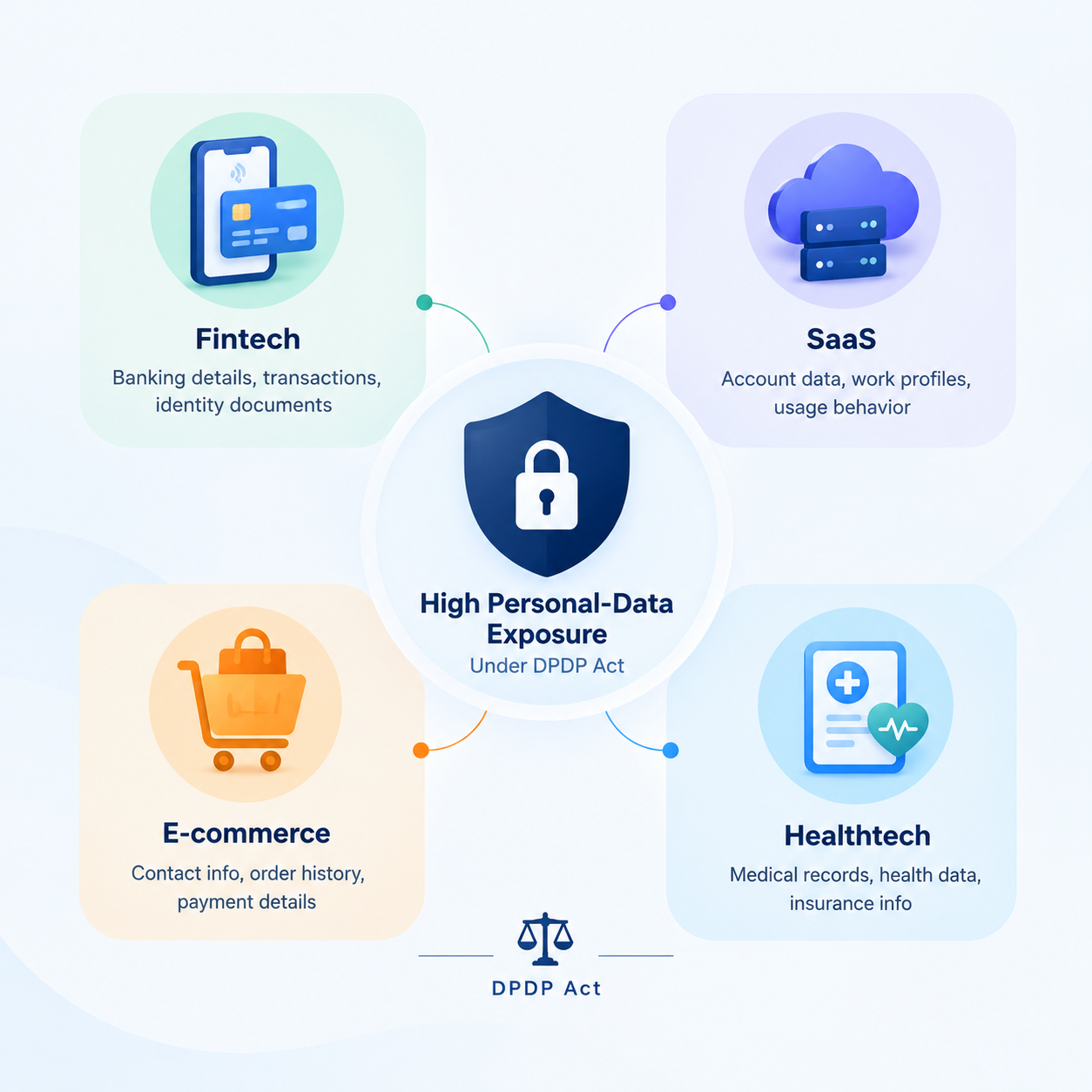
The DPDP Act governs how companies collect, store, and use the personal data of Indian users — everything from a phone number captured at signup to transaction data held by a fintech app. Non-compliance carries real financial exposure: penalties that regulatory commentary has pegged as high as several hundred crore rupees for serious violations, depending on the nature of the breach.
For a business, that's a contingent liability that doesn't always show up cleanly on a balance sheet. For an investor, it's closer to the kind of regulatory tail risk you'd factor into a company handling healthcare data under HIPAA, or a bank under RBI capital norms; it doesn't move the stock every day, but it can move it sharply on a bad headline.
Companies most exposed are the ones sitting on large volumes of personal data as a core part of their business: fintech and payments platforms, healthtech, edtech, e-commerce, and B2B SaaS companies selling into India. If you hold or are evaluating positions in this space, a company's data governance maturity is arguably as relevant as its unit economics.
Six Questions Worth Asking Before You Buy
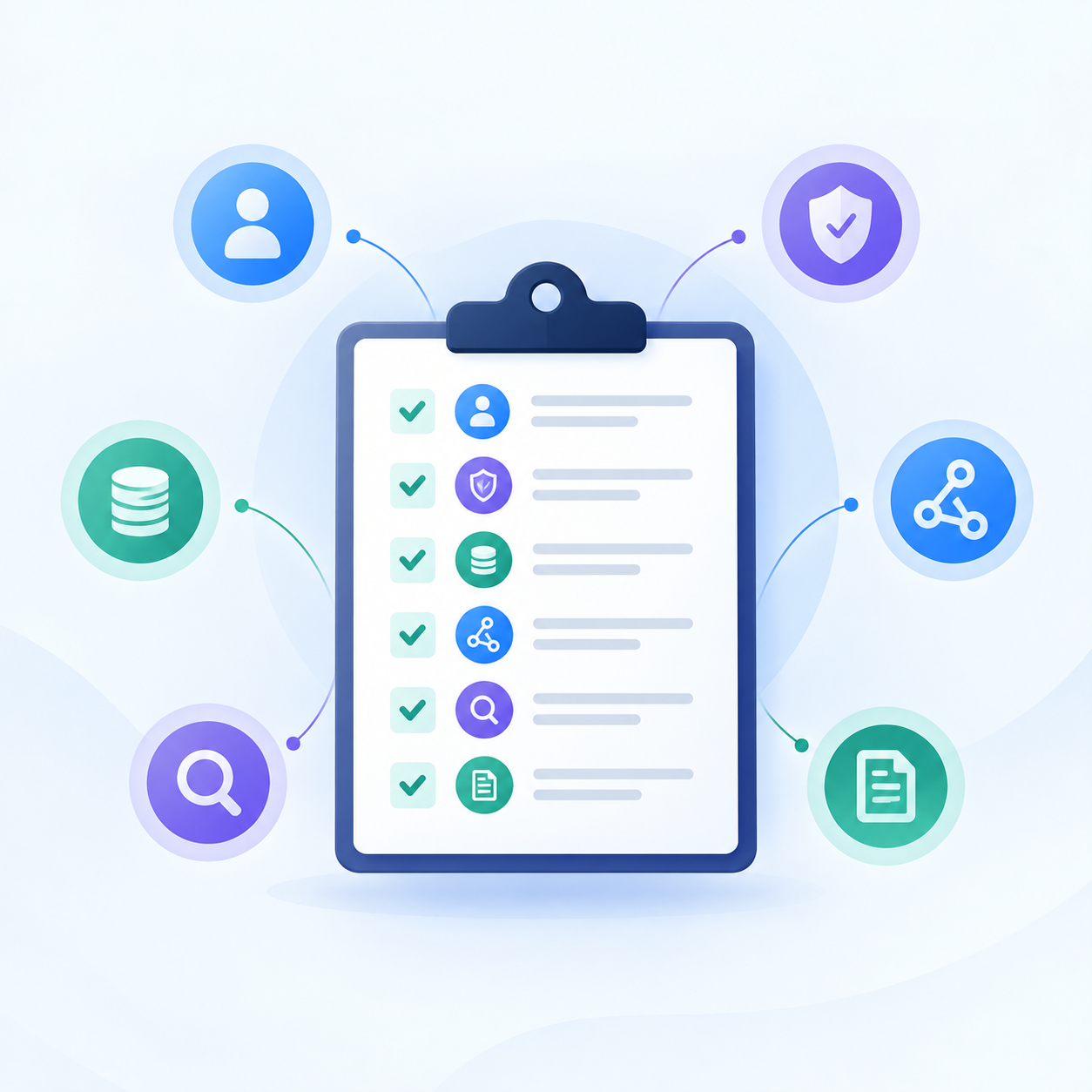
1. Does the company disclose its data protection posture anywhere? Public companies increasingly mention data governance, privacy investment, or regulatory compliance programs in annual reports or investor calls. Silence on this point, for a data-heavy business, is itself a data point.
2. How much personal data does the business actually hold, and where? A company that doesn't have a clear internal map of what personal data it holds, across databases, vendors, and cloud systems, is more exposed to a costly surprise than one that does. This is table-stakes operational hygiene now, not a nice-to-have.
3. What's the company's consent infrastructure like? Under the DPDP Act, consent has to be specific, informed, and withdrawable. A company relying on a decade-old checkbox-based signup flow is carrying more regulatory risk than one that's modernized its consent handling, purely as a matter of process maturity.
4. Has the company had a breach or regulatory inquiry, and how did it respond? Response quality tells you a lot. A company that can produce audit-ready records quickly is in a fundamentally different risk position than one that scrambles.
5. Does the company handle a meaningful volume of data from minors? Edtech and gaming platforms carry extra obligations here under the Act's provisions for children's data, with correspondingly higher compliance costs and risk if handled poorly.
6. Is compliance treated as a one-time project or an ongoing function? Regulations evolve, rules get clarified, and enforcement priorities shift. A company that built a compliance program once and moved on is a different bet than one treating this as continuous infrastructure.
The Bigger Picture
For anyone doing deeper diligence on this, it helps to understand what a DPDP Consent Manager actually does at a conceptual level, even if you're not implementing one yourself. These tools centralize how a company collects, records, and honors user consent, and give a sense of what "doing this well" looks like operationally. That's a useful lens when you're reading a company's risk disclosures or trying to gauge how seriously a management team treats data governance as a function rather than a one-time checkbox.
For anyone doing deeper diligence on this, platforms built specifically around DPDP compliance, like consent management tooling, are worth understanding at a conceptual level even if you're not implementing one yourself. It gives you a sense of what "doing this well" actually looks like operationally, which is a useful lens when you're reading a company's risk disclosures.
Comments
Log in or sign up to join the conversation.