

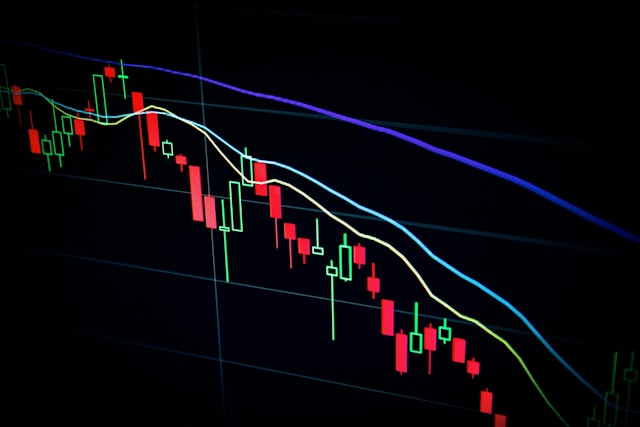
The bears just won’t let go of market breadth. I’m happy to keep the conversation going for one more week.
Nasdaq (QQQ) futures hit another new all-time high last week. Meanwhile, the average stock is still suffering big time.
Bears keep pointing to that gap as a warning sign. I think it’s setting up a catch-up move in the stocks that got left behind.
Market breadth measures how widely a rally is shared. It improves when advancing stocks outnumber decliners and small caps, cyclicals, and rate-sensitive groups join the move.
The catalyst I’m watching sits in the bond market. A short squeeze in bonds can drive yields lower in a hurry and loosen financial conditions without a formal cut from the Fed.
That kind of unplanned easing gives the laggards a reason to move. It could also give the Dow (DIA) the push it needs to finally make a new all-time high.
It all starts with bond traders who bet the wrong way and now have to buy their way out.
How A Bond Squeeze Loosens Conditions
Bond prices and yields move in opposite directions. When prices rise, yields fall.
A short squeeze in bonds is a forced rise in prices. Traders who borrowed bonds and sold them were betting on lower prices and higher yields.
When prices move against them, they have to buy those bonds back. That covering demand pushes prices higher and yields lower, often faster than fundamentals alone would justify.
Falling yields change the math for equities. Lower discount rates raise the present value of future cash flows, which helps stocks whose earnings sit further out.
Lower yields also cut borrowing costs for companies and households. Fixed income starts to look less attractive next to stocks.
Put it together, and you get looser financial conditions even if the central bank hasn’t formally eased. That’s where market breadth comes in.
3 Ways Falling Yields Repair Market Breadth
Narrow market breadth can persist on a few mega-caps for a long time. A broader rally needs easier money or better growth expectations to spread.
The path from a bond squeeze to better market breadth usually runs through three channels.
The first is valuation relief. When Treasury yields drop, the hurdle rate for equities falls with them.
Stocks that got penalized for duration tend to re-rate first. That group includes growth names outside the largest tech firms and smaller companies with longer payoff periods.
The risk-free rate matters here too. If a company isn’t growing faster than what Treasuries pay, there’s no reason to own it.
Lower yields drop that bar and let more stocks clear it. That alone can lift the number of stocks making new highs.
The second is credit and funding relief. Lower yields and tighter credit spreads are common when bond shorts cover and risk appetite returns.
Cheaper refinancing helps companies that have been squeezed by high interest expense. The Russell 2000 (IWM) and leveraged sectors stand to gain the most operating flexibility.
The third is rotation within equities. Money doesn’t have to leave stocks to chase bonds when positioning drives the yield decline instead of a sudden growth scare.
Investors crowded into a narrow set of quality or mega-cap winners can add laggards once the rate backdrop stops deteriorating. That rotation widens market breadth without forcing the leaders to fall apart.
When Market Breadth Won’t Follow Bonds
There are limits. If a flight to safety causes the squeeze, lower yields may not broaden the equity market at all.
In that case, collapsing growth and rising credit stress drive the move. Falling yields simply mark risk aversion.
Market breadth improves most reliably when the yield drop reflects positioning excess and modestly easier policy expectations. A hard-landing signal won’t do the same job.
Duration matters too. A one-day squeeze does little.
A multi-week decline in yields that holds gives portfolio managers time to reallocate. Here’s how I’ll know market breadth is actually repairing:
Advancing issues outnumbering declining issues
Equal-weighted indexes keeping up with cap-weighted ones
Small caps, mid-caps, cyclicals, and rate-sensitive groups joining the move instead of lagging it
Yields holding lower for weeks after the initial drop
A bond squeeze that lifts prices and cuts yields can act as an unplanned easing. When those conditions hold, market breadth tends to improve even if the initial catalyst was technical rather than fundamental.
I’d also look for the Dow to regain its mojo if breadth starts to improve. It’s time for that index to make a new all-time high sooner than later.
Keep one eye on the bond market over the next few weeks. If yields keep sliding and the laggards start catching bids, don’t stay parked only in the mega-cap leaders.


Comments
Log in or sign up to join the conversation.