

Uncertainty in the markets is the common denominator so far in 2015. Uncertainty about oil, uncertainty about interest rates, and uncertainty about growth all contribute to the extreme volatility the market is experiencing. But, there is one certainty. Investing in these two undervalued blue chip stocks that are free cash flow machines is a must for every investor.
Recent economic readings have been a bit disappointing of late. Especially discouraging has been a Q1 GDP report that showed the economy grew at a miserly 0.2% annual rate in the first quarter of the year. Trade data last Tuesday showed the trade deficit for March was worse than expected at over $50 billion as the strong dollar curtailed exports. Based on this, Goldman Sachs (GS) has projected first-quarter growth will actually be revised down to a -0.5% annual rate when all is said and done.
This puts the 3.5% GDP growth predicted for the U.S. economy by the International Monetary Fund and myriad economic forecasters at the beginning of 2015 deeply in doubt. The Atlanta Fed, which has been right on the money recently projected they are seeing just under one percent GDP growth for the second quarter based on limited economic readings out of April so far.
Why this tepid growth is a surprise to pundits and investors is a bit of a puzzle to me and I actually made a $1,000 bet with a friend and hedge fund manager at the beginning of the year that the domestic economy would grow at three percent or less in 2015. This would be the ninth year in a row that the economy would deliver below trend growth. My reasoning was that with the rest of world continuing to show tepid growth and quantitative easing by the Federal Reserve now over it was hard to see a clear path to robust growth. If the economy couldn’t grow at three percent or better in the six years that the Federal Reserve was pumping extraordinary liquidity support into the system how is it going to deliver that sort of growth with those programs being concluded?
My friend’s reasoning for faster growth was based mainly on a predicted large rise in consumer spending triggered by lower energy prices as well as the strongest job market in over a decade leading to accelerating wage growth. Although growth accelerated sharply in the second and third quarters after contracting sharply in the first quarter of 2014 due to a brutal winter I don’t think this will be the case this year. First, the winter this year was colder than normal but nothing compared to its predecessor of the previous year. Therefore, less pent-up demand will be released this quarter compared to the same period of last year. Second, last year the economy did not have to contend with the strong U.S. dollar significantly crimping earnings at American multi-nationals and curtailing exports.
In addition, other than boosting restaurant sales and increasing the amount of vehicles sales going to larger trucks & SUVs the fall in gas prices has not translated into the rise in consumer spending as my friend and most pundits believed it would. Consumers are saving roughly three-quarters of that “gas tax cut” is instead of spending it. It is the key reason the personal savings rate has rose significantly recently and stands at 5.5%, a multi-year high. Stronger job growth has not led to faster wage growth as of yet either. In addition, the sharp drop in crude has slashed budgets at exploration and production companies in 2015. Business investment was reduced by $20 billion just in the first quarter as the result these cuts. That is a lot of jobs and economic activity that just is not happening this year.

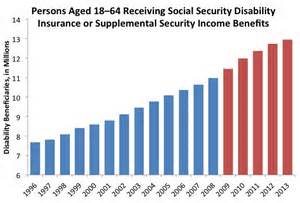
The nature of the workforce has also changed significantly over the past decade. Labor participation rates are the lowest they have been since the late 1970s. Approximately half of this reflects an aging domestic demographic. The other half is due to other factors such as a lack of skill sets to match the jobs that are available which is leading to a dramatic growth in social program costs like food stamps and Social Security disability insurance claims. Fewer people working means less money in the economy.
Finally, the expansion of the regulatory state over the last half dozen years has been substantial. Four of the top five years for new pages added to the Federal Registry have occurred under the current administration and 600,000 pages of new rules and regulations have been added since the administration came to power. And that’s just on the federal level. To give but one example of the impacts of this increasing burden, Jamie Dimon of JP Morgan (JPM) recently stated that his bank has added some 16,000 new employees since the financial crisis just to deal with new regulations. Not to knock compliance, personal, or corporate lawyers, but they do not add to earnings growth or productivity and the money to pay for them has to come from other more productive efforts within the company.

The unfortunate part of the lower growth trajectory of the last decade is that we are not likely to see it change, at least in the short or medium term. Investors must adjust and more heavily weight large cap growth stocks that are selling at reasonable valuations and throw off considerable free cash flow that can grow consistently even in a low growth environment.

These Blue Chip Gems would include the likes of Apple (NASDAQ: AAPL)and Gilead Sciences (NASDAQ: GILD), both of which posted blowout numbers this quarter. Apple continues to ride record sales of the iPhone 6 as well as its huge sales growth in China (up more than 70% year over year). Gilead had $4.55 billion worth of sales in the quarter just from its hepatitis C franchise, $1 billion over the consensus. Both of these stocks are priced at significant discounts to the overall market multiple despite superior revenue and earnings growth prospects. In addition, both stocks pay a small dividend, are buying back huge amounts of stock, and have prodigious and growing free cash flow.
Comments
Log in or sign up to join the conversation.