

Choosing Between 2-Flute and 4-Flute End Mill Tools for CNC Machining
Choosing the right endmill is one of the most important decisions in CNC machining because it directly affects cutting performance, surface finish, and tool life. Among the most commonly used milling cutters, 2-flute and 4-flute tools are preferred for different machining applications. Understanding the difference between these tools helps machinists improve productivity, chip evacuation, and machining accuracy while selecting the best option for specific materials and cutting conditions.
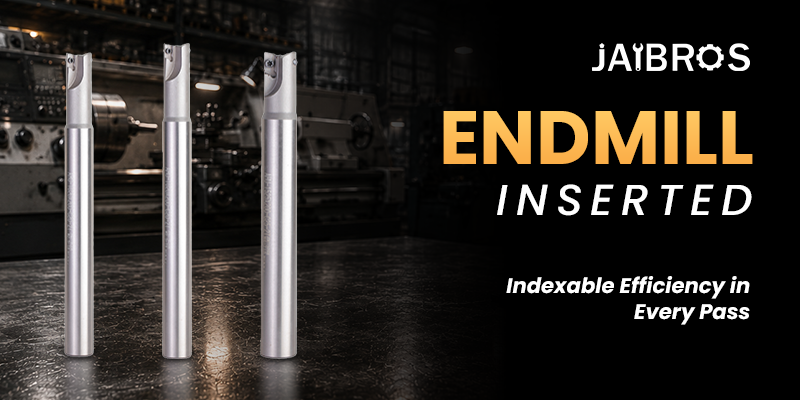
Understanding Flute Design in Milling Tools
Flutes are the grooves or cutting channels on a milling cutter. Their primary function is to remove chips from the cutting area while maintaining smooth cutting action.
The number of flutes affects:
Chip evacuation
Surface finish
Feed rate
Tool rigidity
Heat generation
Selecting the proper flute design is essential for improving machining efficiency and preventing cutting issues.
The flute count of an endmill plays a major role in determining its performance for different materials and machining operations.
What Is a 2-Flute End Mill?
A 2-flute milling cutter contains two cutting edges and two large chip evacuation channels. These tools are mainly designed for softer materials and high chip removal applications.
Advantages of 2-Flute Tools
Better Chip Evacuation
The large flute space allows chips to exit the cutting zone quickly, reducing heat buildup and preventing chip recutting.
Faster Material Removal
These tools are highly effective for aggressive roughing operations where rapid material removal is required.
Lower Cutting Pressure
With fewer cutting edges, cutting forces are reduced, making the tool suitable for softer materials.
Common Applications
2-flute tools are commonly used for:
Aluminum machining
Plastic cutting
Soft metals
Slotting operations
Deep pocket milling
Many types of endmills with two-flute geometry are specifically designed for high-speed aluminum machining.
What Is a 4-Flute End Mill?
A 4-flute milling cutter contains four cutting edges and smaller flute spaces. These tools are generally preferred for harder materials and finishing applications.
Advantages of 4-Flute Tools
Better Surface Finish
More cutting edges provide smoother cutting action and finer finishes on machined surfaces.
Increased Rigidity
Additional flutes improve tool strength and stability during cutting operations.
Higher Feed Rates
Because more cutting edges engage with the material, feed rates can often be increased.
Common Applications
4-flute tools are ideal for:
Steel machining
Stainless steel cutting
Finishing operations
Side milling
Hard material applications
Premium solid carbide endmills with four-flute designs are widely used in high-precision industrial machining.
Major Differences Between 2-Flute and 4-Flute Tools
Chip Evacuation
2-flute tools provide superior chip evacuation because of their larger flute valleys. This makes them ideal for materials that produce long chips, such as aluminum.
4-flute tools have smaller chip spaces, which may lead to chip packing in soft materials if not used correctly.
Surface Finish
4-flute cutters usually produce smoother finishes because more cutting edges contact the material during machining.
A properly selected endmill with the correct flute design can significantly improve surface quality and machining consistency.
Cutting Speed and Feed Rate
2-flute tools work well at higher spindle speeds for soft materials. On the other hand, 4-flute tools often support higher feed rates due to increased edge engagement.
Tool Strength
4-flute tools are generally stronger and more rigid because they contain more material in the tool core.
This additional rigidity helps reduce vibration during machining operations.
Material Compatibility
Best Materials for 2-Flute Tools
2-flute cutters perform best on:
Aluminum
Brass
Plastic
Wood
Non-ferrous metals
Their superior chip evacuation prevents clogging during high-speed cutting.
Best Materials for 4-Flute Tools
4-flute cutters are better suited for:
Steel
Hardened materials
Titanium
Stainless steel
Cast iron
Many advanced carbide endmills are specifically designed with four flutes for heavy-duty machining applications.
Surface Finish Considerations
Surface finish quality is important in industries such as aerospace, automotive, and mold manufacturing.
2-flute tools provide excellent roughing performance but may not always achieve the smoothest finish.
4-flute tools generally create finer finishes because:
More cutting edges reduce tool marks
Cutting forces are distributed evenly
Vibration is minimized
Choosing the correct flute geometry depends on whether the operation focuses on roughing or finishing.
Tool Life and Durability
Tool life depends on machining conditions, workpiece material, and cutting strategy.
4-flute cutters usually offer better durability in harder materials because:
Heat is distributed across more edges
Tool rigidity is higher
Cutting loads are balanced
However, improper chip evacuation can shorten tool life if chips accumulate during machining.
High-quality solid carbide endmills improve wear resistance and cutting stability for both roughing and finishing applications.
Role of Coatings in Flute Performance
Modern coatings improve cutting efficiency for both flute designs.
Popular coatings include:
TiAlN
AlCrN
TiN
These coatings reduce friction, improve heat resistance, and enhance wear protection.
Combined with advanced flute geometry, coated tools deliver excellent machining performance.
Applications in Precision Machining
Small-diameter tools are increasingly used in medical and electronics industries for precision manufacturing.
Modern micro endmills are available in both 2-flute and multi-flute designs for delicate machining operations.
Applications include:
Electronic connectors
Medical implants
Mold cavities
Precision aerospace parts
Because these tools are extremely small, selecting the correct flute geometry becomes even more important.
Which One Should You Choose?
The right choice depends on your machining application.
Choose 2-Flute Tools If You Need:
Better chip evacuation
Fast material removal
Aluminum machining
Deep slotting operations
Choose 4-Flute Tools If You Need:
Better surface finish
Hard material machining
Increased rigidity
Finishing operations
Understanding your machining requirements helps you select the most efficient tooling option.
Future Trends in Milling Tool Design
Modern CNC tooling continues to evolve with advancements in geometry and materials.
Current trends include:
Variable helix designs
Anti-vibration flute patterns
Nano-coated cutters
Hybrid flute geometry
AI-optimized cutting tools
These innovations help manufacturers improve productivity and machining quality across industrial applications.
Conclusion
Both 2-flute and 4-flute milling cutters offer unique advantages depending on the material and machining operation. While 2-flute tools provide excellent chip evacuation for softer materials, 4-flute cutters deliver better rigidity and smoother finishes for harder materials.
Choosing the correct endmill geometry improves cutting efficiency, surface finish, and overall machining performance. Modern carbide endmills, precision micro endmills, and advanced solid carbide endmills are designed to meet the growing demands of modern manufacturing industries. Understanding the differences between various types of endmills allows machinists to make smarter tooling decisions and achieve better production results.
About Jaibros
Jaibros is a trusted supplier of industrial cutting tools and CNC machining solutions in India. The company offers a wide range of precision tooling products including carbide cutters, measuring instruments, CNC accessories, and advanced machining solutions for modern manufacturing industries.
FAQs
1. What is the main difference between 2-flute and 4-flute tools?
2-flute tools provide better chip evacuation, while 4-flute tools offer better rigidity and smoother surface finishes.
2. Which flute design is better for aluminum?
2-flute cutters are generally preferred for aluminum because they remove chips more efficiently.
3. Why are carbide endmills widely used in CNC machining?
Carbide endmills offer excellent hardness, wear resistance, and heat tolerance for high-speed machining operations.
4. Are micro endmills available in different flute designs?
Yes, micro endmills are available in multiple flute configurations depending on the precision application.
5. Which tool is better for finishing operations?
4-flute cutters are usually better for finishing because they provide smoother surface quality and improved cutting stability.
Comments
Log in or sign up to join the conversation.