
After walking through hundreds of fitness facilities over the past decade, the team at SPX Gym Design has developed a sixth sense for spotting problems. The same mistakes appear again and again, often in gyms that otherwise look successful from the outside. These errors are not about having cheap equipment or ugly paint colors. They are fundamental design choices that slowly drain member motivation, increase maintenance costs, and create daily frustration for staff. The good news is that most of these mistakes are completely fixable once you know what to look for.
Ignoring the Flow Between Different Exercise Zones
One of the most common errors we see is treating each area of the gym as an isolated island. The cardio section sits on one side, free weights on another, and stretching in a forgotten corner with no logical connection between them. This forces members to walk across the entire facility multiple times during a single workout, crossing through other people’s spaces and creating traffic jams. Smart design creates a natural circuit that flows from warm-up to primary training to cool-down. Members should never have to backtrack or squeeze past someone just to move from a leg press to a stretching mat.
Choosing Aesthetics Over Practical Maintenance
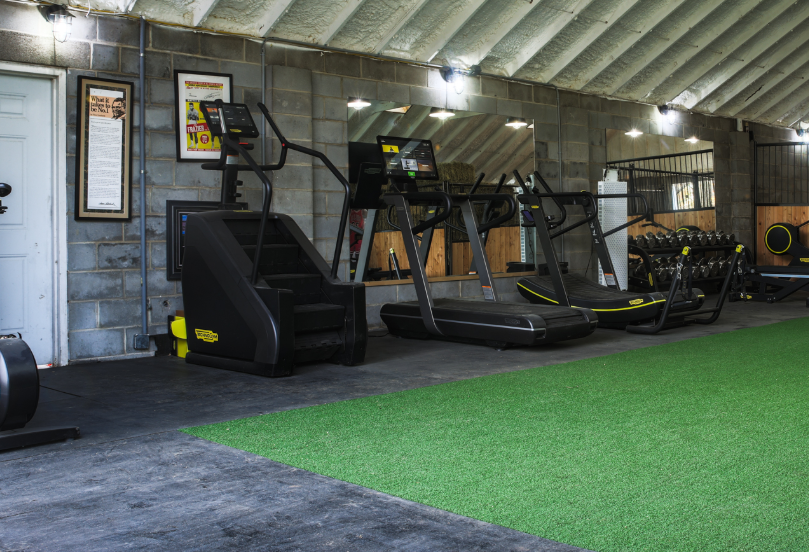
We have seen gorgeous gyms with matte black flooring, white fabric wall panels, and delicate light fixtures. They look incredible for exactly two weeks. Then the scuff marks appear, the fabric traps every speck of dust, and someone breaks a fixture reaching for a medicine ball. Professional design prioritizes cleanability and durability first, then finds ways to make those practical choices look good. Textured rubber flooring hides scuffs. Painted concrete block walls resist damage. Sealed epoxy floors wipe clean in minutes. A gym that looks decent after two years of heavy use is far more valuable than one that looked perfect on opening day.
Forgetting About Sightlines for Staff Safety
Walk into many gyms and you will find blind spots everywhere. A row of tall storage shelves blocks the view of the squat racks. A pillar hides the leg press area from the front desk. A mezzanine wall prevents anyone from seeing what is happening in the functional training zone. These blind spots are not just inconvenient. They are safety hazards. When staff cannot see members, they cannot spot dangerous form, intervene in conflicts, or respond quickly to injuries. Good gym design ensures that from at least one staff location, usually the front desk or a central trainer station, you can see the majority of the workout floor.
Overloading One Area While Leaving Another Empty
We cannot count how many gyms have thirty treadmills that sit half-empty while members wait ten minutes for a cable machine. This imbalance happens when owners buy equipment based on what they think members want rather than actual usage data. Professional design starts with a thorough analysis of peak-hour demand for each equipment category. Maybe your specific location needs more squat racks than treadmills. Maybe you need extra functional training space instead of another row of bikes. Guessing leads to waste. Measuring leads to efficiency.
Installing Inadequate Electrical Outlets
This mistake drives gym staff absolutely crazy. You design a beautiful functional training area with space for coaches to run small group sessions. Then you realize there are only two electrical outlets on the entire wall, and both are already used by a fan and a sound system. Suddenly, trainers are running extension cords across walkways and members cannot charge their phones. Professional gym design overestimates electrical needs significantly, adding outlets every six to eight feet along walls and installing floor boxes in open training areas. You would rather have too many outlets than spend every day apologizing for the shortage.
Placing Water Stations in High-Traffic Bottlenecks
Water fountains and bottle filling stations seem like simple amenities, but their placement can ruin traffic flow. When these stations sit in narrow hallways or directly at the entrance to the weight room, they create predictable bottlenecks during peak hours. One person filling a bottle blocks the path for everyone else. The solution is to place hydration stations in slightly wider alcoves or along secondary pathways. Better yet, install multiple smaller stations rather than one giant unit. Members appreciate not having to wait for a drink between sets.
Neglecting Storage for Personal Belongings on the Floor
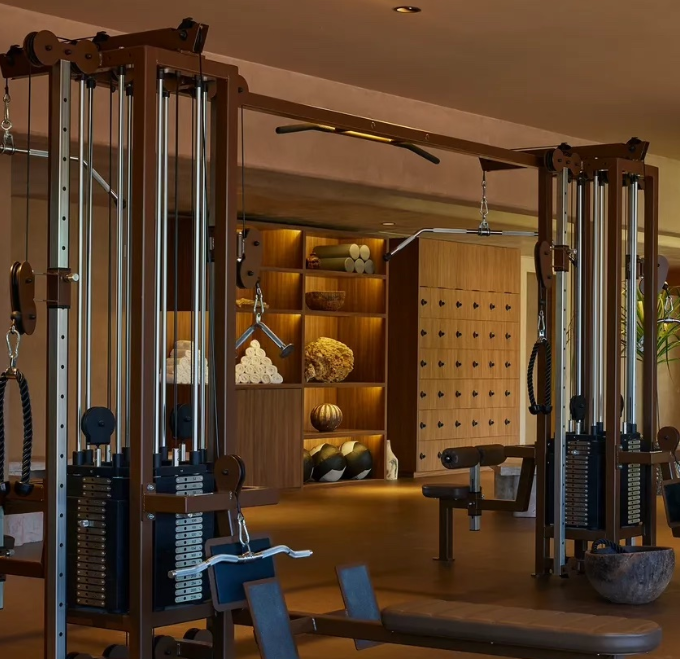
People bring stuff to the gym. Phones, keys, water bottles, towels, lifting straps, and small bags. Without proper storage on the workout floor, these items end up draped over machines, stacked on window ledges, or placed directly on the floor where they become tripping hazards. Professional design includes small personal storage solutions throughout the facility. Wall-mounted shelves near cardio machines, cubbies between squat racks, and small hooks on pillar bases. These inexpensive additions keep the floor clean and save members from constantly worrying about their belongings getting stepped on or stolen.
Comments
Log in or sign up to join the conversation.