

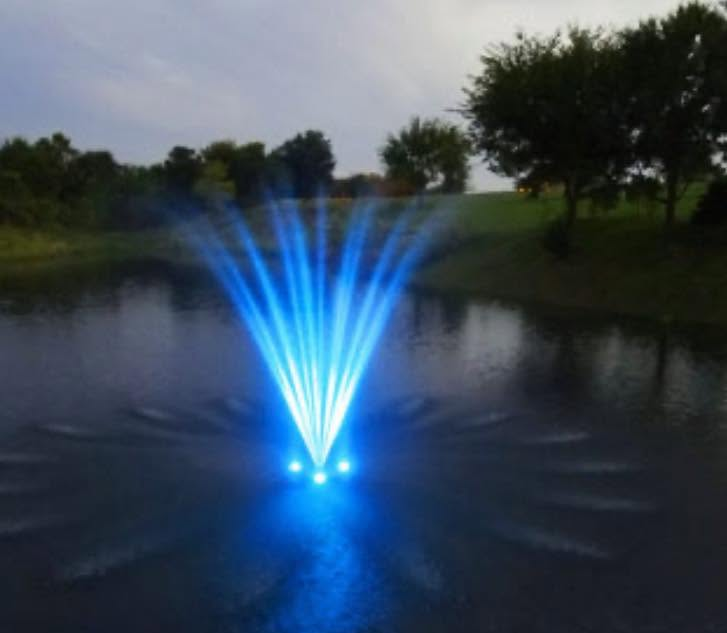
Maintaining a healthy and visually appealing pond requires more than simply adding water and aquatic plants. Proper circulation and aeration are essential for supporting aquatic life, reducing stagnation, and maintaining water quality. One of the most effective ways to achieve these goals is by installing a 1/3 HP pond fountain. Designed to provide both functionality and aesthetic value, these fountains are a popular choice for homeowners, property managers, and landscape professionals.
A 1/3 HP pond fountain offers the ideal balance between performance and energy efficiency, making it suitable for small to medium-sized ponds. By circulating water and introducing oxygen into the pond environment, these fountains help create healthier aquatic ecosystems while enhancing the overall appearance of outdoor spaces.
Understanding the Importance of Pond Aeration
Aeration is a critical component of pond management. Without adequate oxygen levels, ponds can experience issues such as algae growth, unpleasant odors, and poor water quality. Fish and beneficial microorganisms also rely on sufficient oxygen to thrive.
Fountains help improve oxygen levels by moving water through the air and increasing surface agitation. This process allows oxygen to dissolve into the water more effectively. A properly sized 1/3 HP pond fountain can contribute significantly to maintaining balanced and healthy pond conditions.
Benefits of Installing a Pond Fountain
Pond fountains provide a combination of practical and aesthetic advantages that make them a valuable addition to many water features.
Improved Water Circulation
Water circulation prevents stagnant areas from developing within the pond. Continuous movement helps distribute oxygen, nutrients, and temperature more evenly throughout the water.
A 1/3 HP pond fountain creates sufficient circulation for many residential and recreational ponds, helping maintain a healthier aquatic environment.
Enhanced Oxygen Levels
Oxygen is essential for fish, aquatic plants, and beneficial bacteria. Fountain operation increases oxygen transfer by exposing water to the atmosphere and creating movement throughout the pond.
This improved aeration supports biological processes that contribute to overall pond health.
Better Water Quality
Stagnant water often encourages algae growth and the accumulation of organic debris. By promoting circulation, a 1/3 HP pond fountain helps reduce these conditions and supports clearer water.
Attractive Visual Appeal
In addition to their functional benefits, fountains create beautiful water displays that enhance the appearance of outdoor landscapes. The sight and sound of moving water can make ponds more enjoyable and inviting.
Why Choose a 1/3 HP Pond Fountain?
Selecting the appropriate fountain size is important for achieving optimal performance. While larger fountains may be necessary for expansive water bodies, smaller ponds often benefit from more moderate systems.
Energy Efficiency
A 1/3 HP pond fountain typically consumes less energy than larger units while still providing effective circulation and aeration. This can help reduce operating costs over time.
Suitable for Small to Medium Ponds
Many residential ponds and decorative water features do not require large horsepower systems. A 1/3 HP pond fountain often provides adequate performance without excessive water movement.
Lower Maintenance Requirements
Because these fountains are generally smaller and less complex than larger commercial units, maintenance can often be more manageable.
Cost-Effective Operation
The combination of efficient performance and lower energy consumption makes a 1/3 HP pond fountain a practical investment for many property owners.
Common Pond Problems a Fountain Can Help Address
Ponds can experience several challenges that affect both appearance and ecological balance.
Algae Growth
Excessive algae can make ponds unattractive and negatively impact water quality. Improved circulation helps create conditions that may reduce excessive algae development.
Stagnant Water
Water that remains still for extended periods can develop unpleasant odors and support unwanted bacterial growth.
Low Oxygen Levels
Fish and aquatic organisms require oxygen-rich environments. Fountains help maintain healthier oxygen concentrations throughout the pond.
Debris Accumulation
Circulation helps keep water moving, reducing the likelihood of debris settling in isolated areas.
By addressing these issues, a 1/3 HP pond fountain contributes to a more balanced and attractive pond environment.
Maintenance Tips for Long-Term Performance
To ensure reliable operation, pond fountains should be maintained regularly.
Inspect the Fountain Periodically
Routine inspections help identify signs of wear, damage, or reduced performance before they become significant issues.
Clean Intake Areas
Removing debris from intake screens and surrounding areas helps maintain efficient water flow.
Monitor Spray Patterns
Changes in spray height or consistency may indicate maintenance needs or component wear.
Check Electrical Connections
Ensuring electrical systems remain secure and protected helps support safe operation.
Regular maintenance allows a 1/3 HP pond fountain to continue delivering effective performance and dependable aeration.
Applications for 1/3 HP Pond Fountains
These fountains are suitable for a variety of environments, including:
Residential backyard ponds
Decorative landscape water features
Community ponds
Small recreational lakes
Commercial property ponds
Golf course water features
Their versatility makes them a popular choice across many different applications.
The Future of Pond Management
As interest in sustainable landscaping and water feature management continues to grow, efficient aeration systems are becoming increasingly important. Modern fountain designs focus on improved energy efficiency, durability, and performance.
A 1/3 HP pond fountain represents a practical solution for property owners seeking to maintain healthy water conditions while enhancing the visual appeal of their ponds.
Conclusion
Proper pond management requires a combination of circulation, aeration, and routine maintenance. Installing a 1/3 HP pond fountain can help improve water quality, support aquatic life, and create an attractive focal point within any landscape. For pond owners looking to maximize both functionality and appearance, incorporating water fountain lights can further enhance the beauty of the fountain display during evening hours. With consistent maintenance and proper placement, a 1/3 HP pond fountain can provide years of reliable performance while contributing to a healthier and more visually appealing pond environment.
Comments
Log in or sign up to join the conversation.