
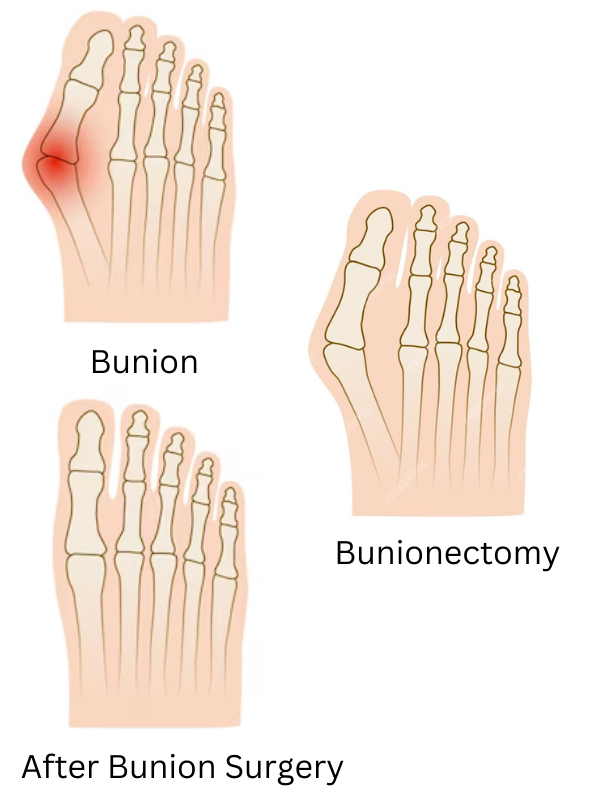
If you’ve spent any time dealing with a bunion, you know it’s more than just a "bump" on the side of your big toe. It’s a constant, aching reminder every time you put on a pair of shoes or head out for a walk. For a long time, the only real fix was traditional surgery—an intense procedure that often meant a long scar, a lot of downtime, and weeks of being stuck on the couch.
But things have changed. Thanks to "keyhole" or minimally invasive techniques, fixing a bunion in Perth has become a much smoother experience.
Let’s skip the clinical jargon and look at what this modern surgery actually involves, why people are choosing it, and what your life will look like while you’re recovering.
What Exactly is Minimally Invasive Bunion Surgery?
In the old days, a surgeon would have to make a fairly large incision to get a clear view of the bone. They’d cut the bone, realign it, and fix it with plates or screws. It worked, but it "upset" a lot of the surrounding tissue in the process, which is why the recovery was so tough.
The minimally invasive approach is more like a surgical "ninja move." Instead of one big opening, the podiatric surgeon makes a few tiny nicks in the skin—each only a few millimetres long.
Using specialized, high-speed micro-tools and real-time X-ray guidance, they can precisely cut and realign the bone through these tiny "keyholes." Because the surgeon isn't cutting through as much skin, muscle, or ligament, there is significantly less trauma to your foot.
The Big Wins: Why Move Toward Keyhole Surgery?
If you’re considering surgery for a bunion in Perth, the benefits of going the minimally invasive route are pretty hard to ignore.
1. Significantly Less Pain
This is the big one. Because there’s less disruption to the soft tissues around the bone, the post-operative pain is much more manageable. Most patients find they only need simple over-the-counter pain relief for a few days, rather than the heavy-duty stuff required for traditional open surgery.
2. Tiny Scars
If you’re worried about how your foot will look afterwards, you’ll love this. The incisions are so small they often don't even need stitches—just a sterile strip or a tiny suture. Once they heal, they are barely visible, leaving your foot looking natural and "clean."
3. You’re Back on Your Feet Faster
With traditional surgery, you might be looking at six weeks of not putting any weight on your foot. With minimally invasive techniques, many patients can actually "weight-bear" (walk) in a specialized surgical shoe almost immediately or within just a few days.
The Recovery Roadmap: What to Expect
Even though it’s "minimally invasive," it is still surgery. Your bone still has to heal, and your body needs time to adjust to its new alignment. Here’s a rough guide to the journey:
Days 1 to 14: The "Quiet" Phase
The first two weeks are all about letting the initial healing happen.
Elevation is your best friend: You’ll want to keep your foot up above your heart as much as possible to keep the swelling down.
The Surgical Shoe: You’ll be wearing a very stylish (okay, maybe not stylish, but very functional) velcro boot. This protects the correction while allowing you to hobble around the house for essential tasks.
Keep it Dry: You’ll need to keep your bandages dry, which usually means a plastic bag over the foot when you shower!
Weeks 2 to 6: Moving More
Around the two-week mark, you’ll head back to the clinic to have your dressing changed or reduced.
Increasing Activity: You’ll start to feel more confident on your feet. You’re still in the protective shoe, but you’ll find you can move around much more easily.
Swelling: It’s normal for the foot to swell toward the end of the day. Just keep up with the elevation when you’re resting.
Week 6 and Beyond: Back to "Real" Shoes
This is the milestone everyone looks forward to. Usually, by six weeks, the bone has knitted together enough that you can transition out of the surgical boot and into a supportive sneaker.
Physical Therapy: Your podiatrist in Perth might give you some gentle exercises to get the big toe joint moving again and to strengthen the muscles that have been "resting" during recovery.
The Long Tail: While you’re back to normal life, some internal swelling can linger for a few months. It might be a little while longer before you’re ready for high heels or narrow dress shoes, but for most daily activities, you’re good to go.
Is It Right for Everyone?
While keyhole surgery is amazing, it’s not a "magic wand" for every single case.
Mild to Moderate Bunions: This is where the technique really shines. It’s perfect for most standard bunion corrections.
Severe Deformities: If the bunion is extremely large or there is significant instability in the middle of the foot, your surgeon might suggest a different approach to ensure the correction lasts a lifetime.
The best way to know is to have a proper biomechanical assessment. A specialist will take X-rays, look at your joint flexibility, and discuss your lifestyle goals to see if you’re a candidate.
Why Get Your Bunion Sorted in Perth?
We live an active lifestyle here. Whether it's morning runs along the coast or weekend walks through King's Park, being sidelined by foot pain just isn't an option for most of us.
Choosing a local expert for a bunion in Perth means you have access to follow-up care right on your doorstep. Recovery is a partnership between you and your podiatrist, and having someone nearby to check your progress and tweak your management plan makes a world of difference.
Final Thoughts
A bunion isn't just a cosmetic issue; it’s a structural problem that usually gets worse over time. If you’ve been putting off treatment because you’re scared of the "old school" surgery, it might be time to take another look.
Minimally invasive surgery has flipped the script, making the path from "painful bump" to "pain-free walking" shorter and easier than ever before. You don't have to just "live with it"—modern podiatry has your back (and your feet!).
Comments
Log in or sign up to join the conversation.