

Industry Key Highlights
The Global Data Migration Market was valued at USD 12.16 Billion in 2025.
The market is projected to reach USD 26.12 Billion by 2031.
The industry is anticipated to grow at a robust CAGR of 13.59% during the forecast period.
Increasing cloud adoption and multi-cloud strategies are fueling migration requirements worldwide.
Enterprises are modernizing legacy infrastructure to support digital transformation initiatives.
Rising data volumes and AI-driven business models are accelerating migration projects.
On-premise deployment has emerged as the fastest-growing segment due to security and compliance requirements.
North America continues to dominate the market owing to high cloud adoption and technological advancements.
BFSI, healthcare, retail, government, and telecommunications sectors are major adopters.
Growing investments in ERP modernization, cloud-native applications, and hybrid IT environments are creating new growth opportunities.
According to a report published by TechSci Research on Data Migration Market Size– Industry Share, Trends, Growth, Forecast & Opportunities, 2021-2031, The Global Data Migration Market will grow from USD 12.16 Billion in 2025 to USD 26.12 Billion by 2031 at a 13.59% CAGR.
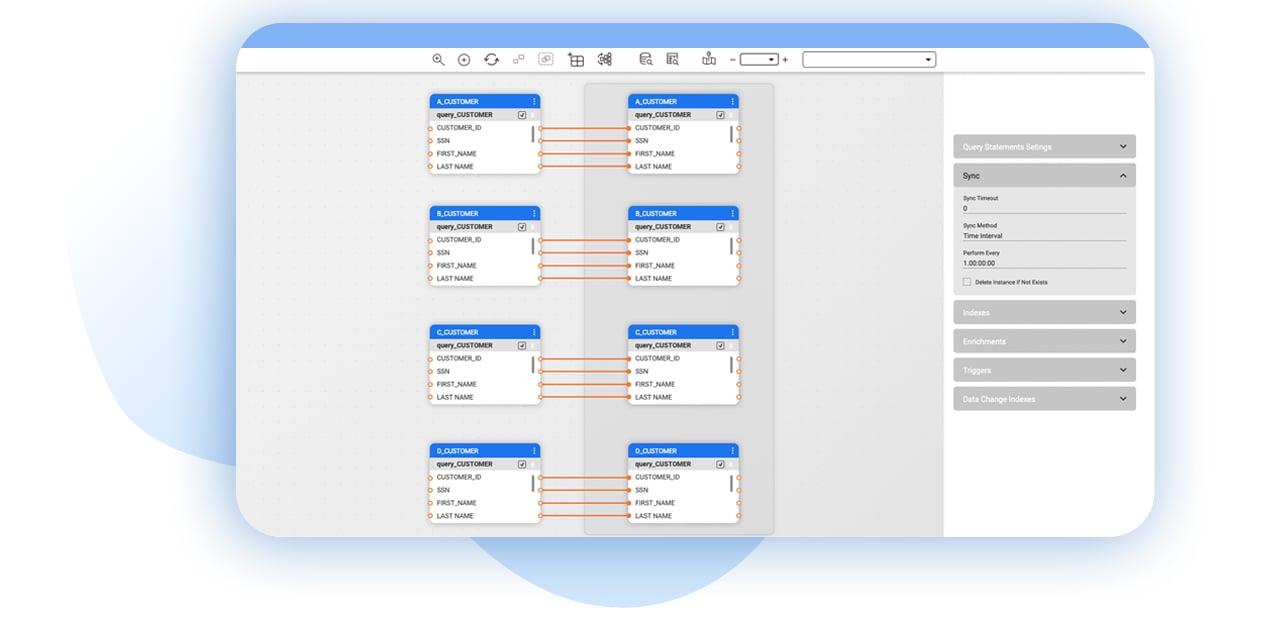
Market Drivers
Accelerating Adoption of Cloud Computing
One of the most significant factors driving the global data migration market is the rapid adoption of cloud computing technologies.
Organizations are increasingly migrating workloads, applications, and databases from traditional on-premise infrastructure to cloud environments. Cloud platforms offer greater scalability, flexibility, security, and cost efficiency compared to legacy systems.
As enterprises pursue cloud-first strategies, the need for reliable data migration solutions becomes essential. Businesses require advanced tools capable of transferring large volumes of data while ensuring minimal disruption to operations.
The growing adoption of public cloud, private cloud, and hybrid cloud environments is expected to remain a major growth catalyst for the market throughout the forecast period.
Request For Sample Copy of Report For More Detailed Market insight:
Digital Transformation Across Industries
Digital transformation initiatives are reshaping industries worldwide. Organizations are investing heavily in advanced technologies such as artificial intelligence, machine learning, big data analytics, automation, and Internet of Things (IoT) platforms.
These initiatives often require data migration as organizations modernize legacy systems and integrate new technologies into existing environments.
Enterprises are increasingly recognizing that effective digital transformation depends on accessible, accurate, and well-organized data. Consequently, migration projects are becoming a strategic priority across industries including healthcare, banking, retail, manufacturing, telecommunications, and government.
Explosion of Data Volumes
The volume of data generated globally continues to grow at an extraordinary pace.
Businesses collect information from multiple sources including customer interactions, connected devices, social media platforms, enterprise applications, and operational systems. Managing these expanding datasets requires organizations to modernize storage infrastructure and optimize data accessibility.
As data volumes increase, enterprises need sophisticated migration solutions capable of handling large-scale transfers efficiently while maintaining performance and reliability.
The exponential growth of structured and unstructured data is expected to remain a key driver of market expansion.
Emerging Trends in the Global Data Migration Market
Rise of Multi-Cloud Strategies
One of the most prominent trends shaping the market is the growing adoption of multi-cloud strategies.
Organizations are increasingly utilizing multiple cloud providers to improve performance, reduce dependency on a single vendor, and enhance operational resilience.
Managing data across multiple cloud environments requires sophisticated migration tools capable of supporting seamless movement between platforms. This trend is driving demand for flexible migration solutions that can operate across diverse ecosystems.
ERP Modernization and SAP Transformations
Enterprises worldwide are upgrading legacy enterprise resource planning systems to modern ERP platforms.
Large-scale ERP modernization initiatives require comprehensive data migration capabilities to ensure accurate transfer of critical business information. Organizations undertaking ERP transformations must migrate customer data, financial records, operational information, and compliance-related data while minimizing business disruption.
This trend is creating significant opportunities for migration software providers and consulting firms specializing in enterprise modernization.
AI-Powered Data Migration
Artificial intelligence is increasingly being integrated into migration platforms.
AI-powered solutions can automate data mapping, identify inconsistencies, detect errors, optimize migration workflows, and predict potential issues before they occur.
Machine learning algorithms enable migration platforms to improve efficiency and reduce manual intervention, making large-scale migration projects more manageable and cost-effective.
As AI technologies continue to mature, intelligent migration solutions are expected to become a major competitive differentiator.
Data Governance and Compliance Integration
Organizations face increasing pressure to comply with data privacy regulations and governance requirements.
Modern migration solutions are incorporating advanced compliance features that help businesses manage regulatory obligations throughout migration projects. These capabilities include data classification, audit trails, encryption, access controls, and automated compliance reporting.
As regulatory frameworks continue to evolve, compliance-driven migration solutions will play an increasingly important role in the market.
Market Challenges
Ensuring Data Integrity
One of the most significant challenges facing the industry is maintaining data integrity throughout migration processes.
Organizations must ensure that information remains accurate, complete, and consistent during transfers. Even minor errors can result in operational disruptions, compliance issues, and financial losses.
Ensuring data quality requires rigorous validation procedures, increasing project complexity and timelines.
Legacy System Compatibility
Many organizations continue to operate outdated legacy systems that were not designed for modern migration requirements.
Integrating these systems with cloud platforms and modern applications can be technically challenging. Compatibility issues often require extensive customization and specialized expertise.
As enterprises continue modernizing legacy infrastructure, addressing compatibility challenges will remain a key industry focus.
Security Risks
Data migration projects often involve transferring sensitive information across multiple environments.
Protecting data during migration is critical, particularly in industries such as healthcare, banking, government, and telecommunications. Organizations must implement robust security controls to prevent unauthorized access, breaches, and data loss.
The growing sophistication of cyber threats further increases the importance of secure migration practices.
Segment Analysis
On-Premise Deployment Emerging as the Fastest-Growing Segment
Based on deployment mode, the on-premise segment has emerged as the fastest-growing category within the Global Data Migration Market.
Organizations operating in highly regulated industries often prioritize on-premise solutions due to concerns regarding data sovereignty, privacy, and compliance. Maintaining complete control over sensitive information remains a key consideration for enterprises handling financial, healthcare, and government data.
On-premise deployments also offer greater flexibility when integrating legacy systems and managing complex migration projects. These advantages continue to support strong growth in the segment despite increasing cloud adoption.
Large Enterprises Leading Adoption
Large enterprises account for a substantial share of the market due to their extensive data assets and complex IT environments.
These organizations frequently undertake large-scale transformation initiatives involving cloud migration, ERP modernization, application consolidation, and digital innovation projects.
As enterprise data ecosystems become increasingly sophisticated, demand for advanced migration solutions continues to grow.
Competitive Analysis:
IBM Corporation
Oracle Corporation
Amazon Web Services
Microsoft Corporation
SAS Institute, Inc.
SAP SE
Informatica
Information Builders
Talend
Attunity
10 Benefits of the Research Report
Provides detailed insights into current market dynamics.
Identifies major growth drivers influencing market expansion.
Analyzes emerging technology trends and innovations.
Evaluates key market opportunities and challenges.
Offers comprehensive segmentation analysis.
Assesses regional market performance and growth potential.
Delivers detailed competitive landscape assessment.
Supports strategic investment and business decisions.
Provides future market forecasts and industry outlook.
Helps stakeholders develop effective growth strategies.
Contact US:
Techsci Research LLC
420 Lexington Avenue, Suite 300,
New York, United States- 10170
Tel: +13322586602
Email: [email protected]
Comments
Log in or sign up to join the conversation.